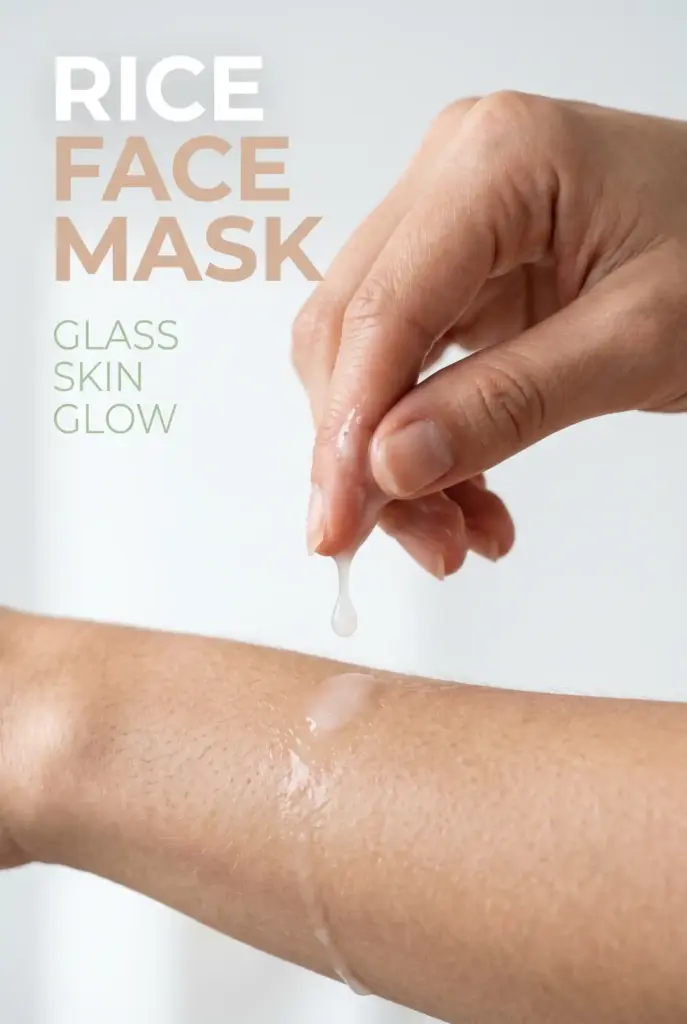
Glass skin — the Korean and Japanese beauty ideal of skin so smooth, clear, and luminous it appears almost translucent — is not a filter effect or a makeup technique. It is the result of genuinely healthy, deeply hydrated, consistently cared-for skin that has been refined to its smoothest, most even-toned, most light-reflective state. And one of the most central ingredients in the skincare traditions that perfected this aesthetic has been rice. Used for centuries in Japan, Korea, and across Asia in skincare, rice and rice water contain a unique combination of active compounds that address every element of the glass skin equation simultaneously.
Rice water and rice flour are not new discoveries in the global beauty industry — they are ancient staples whose effectiveness modern dermatology has confirmed at the molecular level. This guide covers exactly what makes rice so remarkable for skin, the best face mask recipes for achieving glass skin at home, and the correct technique for getting the most from each application.
| Science Says: Japanese sake brewery workers — known as toji — were historically observed to have remarkably smooth, youthful hands despite performing heavy physical labour. Investigation revealed that regular contact with sake (fermented rice water) was responsible. The specific compounds identified — inositol, ferulic acid, kojic acid, and allantoin — are now recognised as among the most effective natural brightening and anti-aging ingredients available, and many of them are present in their precursor forms in simple rice water. |
What Rice Does for Skin — The Active Compounds
Inositol
Inositol is a carbohydrate compound found in high concentrations in rice water that has a remarkable ability to penetrate damaged skin and hair cells and repair them from within. It promotes skin cell repair, improves skin elasticity, and has been shown to reduce the appearance of fine lines with consistent use. Inositol is sometimes called vitamin B8 and its presence in rice water is one of the primary reasons rice-based skincare produces such consistently noticeable improvements in skin texture and firmness.
Ferulic Acid
Ferulic acid is a powerful antioxidant found in the bran layer of rice that neutralises the free radicals generated by UV exposure — the primary cause of premature skin ageing and the chronic melanocyte overstimulation that creates uneven pigmentation. Ferulic acid also enhances the stability and effectiveness of vitamins C and E when they are present in the same formulation — making it an exceptional ingredient in combination masks that include these vitamins. It contributes significantly to the brightening and anti-ageing effects of rice-based skincare.
Allantoin
Allantoin is a compound present in rice water that promotes skin cell renewal, soothes irritated skin, and reduces redness. It is the same compound found in aloe vera that gives aloe its remarkable healing properties — and its presence in rice water explains why rice-based masks consistently produce a calming, smoothing effect alongside the brightening action. For sensitive skin particularly, allantoin makes rice water one of the most well-tolerated natural brightening ingredients available.
Natural Starch
The starch from rice provides temporary skin-tightening and pore-minimising effects when applied topically — the natural polysaccharides create a fine, barely-perceptible film on the skin surface that smooths texture, reduces the visible appearance of pores, and creates the taut, matte-satin finish associated with glass skin. This effect is temporary but cumulative over consistent use, and it is the component of rice masks most responsible for the immediate post-mask improvement in skin appearance.
How to Make Rice Water for Skincare
Soaking method: Place half a cup of uncooked short-grain white or brown rice in two cups of water. Stir for two minutes until the water turns cloudy with starch. Strain the rice and use the water. This is the gentlest rice water with the mildest active compound concentration.
Fermented method: Soak the rice as above, strain, and leave the water at room temperature for 24 to 48 hours until it develops a slight sour smell. Dilute fermented rice water 1:1 with fresh water before use. Fermentation dramatically increases the concentration of inositol and other active compounds and is the method used in traditional Japanese skincare.
Boiling method: Cook rice in double the usual amount of water. Reserve the cloudy cooking water after straining the rice. Boiled rice water has the highest starch content and produces the strongest tightening and smoothing effect.
Glass Skin Rice Face Mask Recipes
Recipe 1 — Classic Glass Skin Mask
Ingredients: Two tablespoons rice flour (finely ground raw rice), three tablespoons rice water, one teaspoon raw honey.
Method: Mix all ingredients to a smooth paste. Apply to clean skin and leave for 15 to 20 minutes. Rinse with cool water using gentle circular motions — the rice flour provides mild exfoliation during rinsing. Pat dry and apply moisturiser.
This foundational recipe delivers rice’s full spectrum of glass skin benefits in a single treatment: allantoin and ferulic acid from the rice water, gentle physical exfoliation from the rice flour, and antimicrobial hydration from the honey. The immediate result after rinsing is noticeably smoother, brighter, more taut skin. Use twice weekly for four to six weeks and the improvement in skin clarity, pore size, and overall luminosity is significant.
Recipe 2 — Brightening Glass Skin Mask
Ingredients: Two tablespoons rice flour, three tablespoons fermented rice water, one teaspoon plain yogurt, one teaspoon vitamin C powder or one teaspoon fresh lemon juice.
Method: Mix all ingredients and apply to clean skin for 12 to 15 minutes. Rinse thoroughly and apply SPF the following morning.
Fermented rice water’s elevated inositol and kojic acid content combined with yogurt’s lactic acid and vitamin C’s tyrosinase inhibition creates a triple-brightening formula that addresses dark spots, uneven tone, and dullness through three different mechanisms simultaneously. This is the most effective recipe in the collection for the even, luminous skin tone that glass skin requires — most visible improvement in pigmentation within three weeks of twice-weekly use.
Recipe 3 — Hydrating Glass Skin Mask
Ingredients: Two tablespoons ground oats, two tablespoons rice water, one tablespoon aloe vera gel, one teaspoon hyaluronic acid serum or one teaspoon glycerin.
Method: Mix all ingredients to a smooth paste. Apply to clean skin and leave for 20 minutes. Rinse with lukewarm water.
Glass skin requires deep, consistent hydration above everything else — and this recipe prioritises that hydration using oats’ beta-glucan water-binding, rice water’s allantoin, aloe’s acemannan hydration, and hyaluronic acid or glycerin’s moisture-attracting humectant action. The result is deeply plumped, visibly supple skin with the light-reflecting smoothness that characterises glass skin. Ideal for dry or dehydrated skin types where lack of moisture rather than pigmentation is the primary barrier to glass skin.
Your Weekly Glass Skin Rice Mask Schedule
- Monday: Classic rice flour mask — foundational smoothing and brightening
- Thursday: Brightening or hydrating mask based on your primary concern
- Daily: Rice water toner — apply fermented rice water to clean skin with a cotton pad or by pressing into skin with clean palms every morning and evening before moisturiser
| Pro Tip: The daily rice water toner is the single most impactful addition to any glass skin routine. Apply fermented or plain rice water to clean skin twice daily — every morning and evening after cleansing — by patting it gently into the skin with clean palms rather than a cotton pad. This patting technique presses the active compounds directly into the skin surface rather than wiping them across it. Within two weeks of daily use most people notice a visible change in skin smoothness and the quality of light reflection on the skin surface. |
Glass skin is achievable — not through expensive technology but through the consistent, patient application of the same simple rice-based ingredients that Japanese and Korean women have used for generations. Start with the daily rice water toner this week and add the weekly mask. Give it six consistent weeks and photograph your skin in the same light at the start and end. The transformation in texture, tone, and luminosity that patient rice-based care produces is genuinely remarkable.