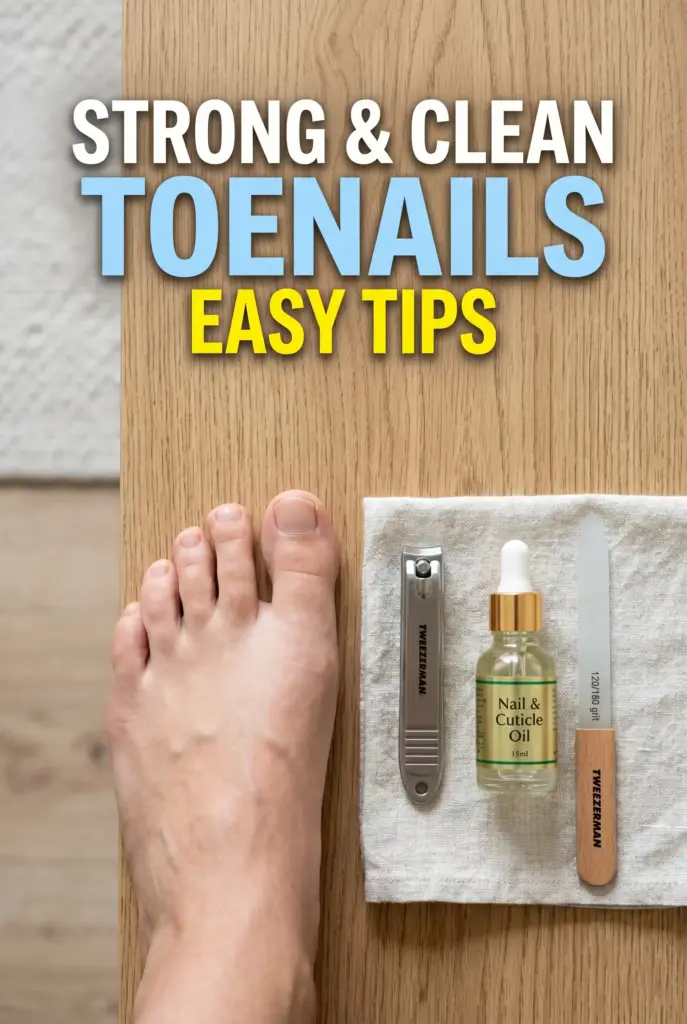
Toenail health is one of the most overlooked aspects of personal care — and one of the most revealing of overall health patterns. The condition of toenails reflects nutritional status, circulation, hygiene consistency, and the presence of fungal or bacterial conditions that worsen when neglected. Beyond health indicators, well-maintained toenails are one of the simplest accessible beauty improvements a person can make — requiring no professional treatment, minimal products, and very little time when done consistently and correctly.
This guide covers the seven most important habits for genuinely healthy, clean, and strong toenails — from trimming technique (where most people make critical mistakes) to nourishment, protection, and the natural treatments for the most common toenail problems.
| Did You Know? Toenails grow approximately 1.5mm per month — roughly half the rate of fingernails. This slower growth rate means that improvements in toenail health take significantly longer to become visible than improvements in fingernail health. A healthy toenail takes approximately nine to twelve months to grow from base to tip. This is why consistent long-term care matters far more than occasional intensive treatment for toenail health outcomes. |
Tip 1: Trim Straight Across — The Most Important Technique Rule
Incorrect toenail trimming is the single most common preventable cause of ingrown toenails — one of the most painful and most avoidable nail conditions. The critical rule is to trim straight across the nail — never curved downward at the corners to follow the toe’s rounded contour. When corners are cut down, the nail edge is removed from the protective groove at the nail margin, and as the nail grows forward it has no established channel to follow. The growing edge then presses into the soft tissue at the side of the toe, causing the inflammation and pain of an ingrown nail. Trim straight across so the cut edge is level with or very slightly longer than the skin at the toe tip. Use sharp, clean toenail clippers sized appropriately for toenails — fingernail clippers are too small and produce uneven cuts that create sharp edges.
Tip 2: File Smooth After Every Trim
After trimming, use a fine-grit nail file to smooth any rough or sharp edges that cutting leaves. File gently in one direction only — bidirectional sawing creates friction damage at the nail edge that causes peeling and structural weakness. Pay particular attention to the corners — even when trimming straight across, small sharp projections at the corners catch on socks and bedding, causing tearing and the beginning of ingrown nail development. A smooth, even nail edge that transitions gently at the corners is the correct result. Five seconds of filing after trimming prevents weeks of ingrown nail discomfort.
Tip 3: Dry Feet and Between Toes Completely After Every Wash
The single most important daily habit for preventing toenail fungal infection — the most common toenail condition — is thorough drying between every toe after washing. Trichophyton fungi (the dermatophytes that cause nail fungus and athlete’s foot) require a warm, moist environment to colonise. The spaces between toes provide exactly this environment when not dried thoroughly. Pat between every toe with a clean towel after bathing and again after swimming or any water exposure. This habit takes 15 seconds and eliminates the primary environmental condition that allows fungal colonisation to take hold. In combination with wearing moisture-wicking socks and rotating footwear to allow shoes to dry between wearings, complete between-toe drying is the most effective fungal nail prevention available.
Tip 4: Nourish Nails and Cuticles With Oil Daily
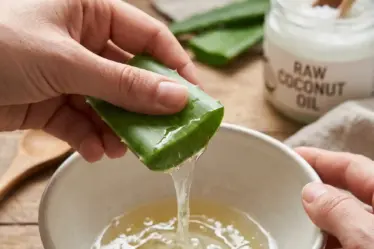
The cuticle — the thin layer of skin at the base of the nail plate — is the protective seal between the nail plate and the nail matrix (the living tissue from which the nail grows). When cuticles are dry, damaged, or pushed back aggressively, the nail matrix is exposed to bacteria and trauma that disrupts nail growth and weakens the resulting nail plate. Apply jojoba oil, vitamin E oil, or coconut oil to the cuticles and the base of each toenail every evening using a fingertip or cotton swab, massaging gently for one minute per foot. This nightly five-minute habit keeps cuticles soft and protective, improves circulation to the nail matrix, and produces healthier, stronger nail growth within two to three weeks of consistent practice.
Tip 5: Eat for Nail Strength
Toenails are made of keratin — the same protein as hair — and their strength, growth rate, and resistance to breaking and infection all depend on specific nutritional inputs. Biotin (vitamin B7) is the most directly nail-specific nutrient — an essential cofactor for the enzymes producing keratin, and deficiency produces the thin, splitting, brittle nails that break easily and appear unhealthy. Eat biotin-rich foods daily: eggs, almonds, sweet potato, and salmon. Zinc supports the oil gland function around each nail fold and the immune response that resists nail infection — found in pumpkin seeds, beef, and chickpeas. Protein provides the amino acids that keratin is assembled from — insufficient dietary protein is the most common nutritional cause of slow, weak nail growth across all nail types.
Tip 6: Protect Nails in Communal and Wet Environments
Gym changing rooms, public pool areas, communal showers, and shared bathroom floors are the primary transmission environments for the fungal nail infections that affect a significant proportion of adults. The Trichophyton fungi responsible for nail infections survive on surfaces and transfer readily to bare feet through direct contact. Wearing flip-flops or pool shoes in all communal wet areas eliminates the primary route of fungal nail acquisition for most people. This single habit — as simple as keeping a pair of cheap flip-flops in your gym bag — prevents the months-long treatment commitment that established nail fungal infection requires.
Natural Treatments for Common Toenail Problems
For Yellow or Stained Nails
Mix one tablespoon of baking soda with the juice of half a lemon and soak the nails for 10 minutes before rinsing. The citric acid and vitamin C bleach surface staining while baking soda’s alkalinity disrupts the bacterial component of nail yellowing. Use twice weekly. Yellowing that persists after four weeks of treatment may indicate fungal infection requiring targeted antifungal treatment.
For Early Fungal Nail Infection
Apply undiluted tea tree oil to the affected nail twice daily using a cotton swab, ensuring the oil reaches under the free edge and into the nail fold. Tea tree oil has documented antifungal activity against Trichophyton species. Results require months — the infected nail must grow out as new healthy nail replaces it — but consistent twice-daily application produces measurable improvement. Combine with daily Epsom salt foot soaks for enhanced antifungal environment.
| Pro Tip: Do a full toenail care session every two to three weeks rather than waiting until nails become uncomfortable or problematic. Regular trimming at the correct length prevents the buildup of pressure and the sharp edges that lead to ingrown nails and catching. Regular oiling prevents the cuticle dryness that exposes the nail matrix to damage. These brief fortnightly sessions take less than 15 minutes and prevent the conditions that make toenail care a problem rather than a routine. |
Healthy toenails are the result of correct trimming technique, consistent drying, regular oiling, appropriate nutrition, and protective habits in high-risk environments. These are simple habits requiring minimal time — and the toenail conditions they prevent (ingrown nails, fungal infections, brittle splitting nails) are among the most uncomfortable and longest-lasting beauty and health problems that consistent simple care makes unnecessary.