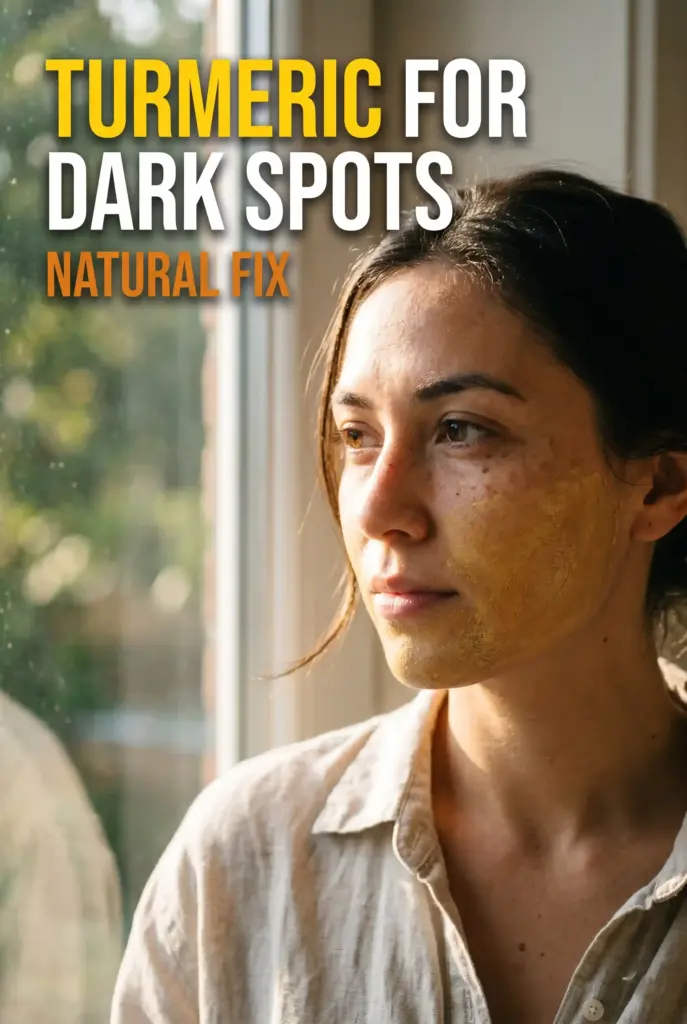
Dark spots — whether from sun damage, post-acne marks, hormonal melasma, or general uneven pigmentation — are one of the most common skin concerns worldwide and one of the hardest to fade. Most people spend significant money on brightening serums, chemical peels, and expensive treatments before discovering that one of the most effective tyrosinase-inhibiting ingredients available has been sitting in the kitchen spice rack the entire time. Turmeric’s curcumin works on dark spots through the same enzyme-blocking mechanism that many pharmaceutical brightening ingredients try to replicate — and when used consistently in a face mask, the results over four to eight weeks are genuinely impressive.
This guide covers exactly what turmeric does to dark spots at the cellular level, the best mask recipes for different skin types and concerns, how to use them correctly for maximum results, and the small mistakes that reduce their effectiveness. Every recipe uses ingredients that are affordable, accessible, and natural.
| Science Says: A clinical study published in the Journal of Cosmetic Dermatology found that a curcumin-based topical formulation significantly reduced facial pigmentation, improved skin radiance, and decreased fine line appearance after four weeks of twice-weekly application. The mechanism was specifically identified as direct tyrosinase inhibition — blocking the enzyme that synthesises melanin at the cellular level — making turmeric one of the most pharmacologically targeted natural brightening ingredients studied. |
How Turmeric Fades Dark Spots — The Science
Dark spots form when melanocytes — the pigment-producing cells in the skin — are overstimulated by UV exposure, inflammation, or hormonal signals to produce excess melanin. This melanin deposits in the upper layers of the skin as flat, darker patches. The process is controlled by an enzyme called tyrosinase — and this is exactly where curcumin acts. Curcumin directly inhibits tyrosinase, reducing melanin synthesis at the source. It also neutralises the free radicals generated by UV exposure that trigger melanocyte overstimulation in the first place, and reduces the post-inflammatory signals that drive the excess pigmentation left behind by acne and skin injuries. This triple action — blocking the enzyme, neutralising the trigger, and reducing the inflammatory signal — makes turmeric one of the most comprehensive single natural ingredients for dark spot treatment.
Beyond tyrosinase inhibition, curcumin is one of the most potent natural anti-inflammatory compounds identified, reducing the chronic skin inflammation that drives the ongoing melanin overproduction in melasma and sun damage. And its antioxidant activity is comparable to vitamin C per gram — protecting skin cells from the oxidative stress that both causes new dark spots and slows the fading of existing ones.
The Basic Turmeric Dark Spot Mask
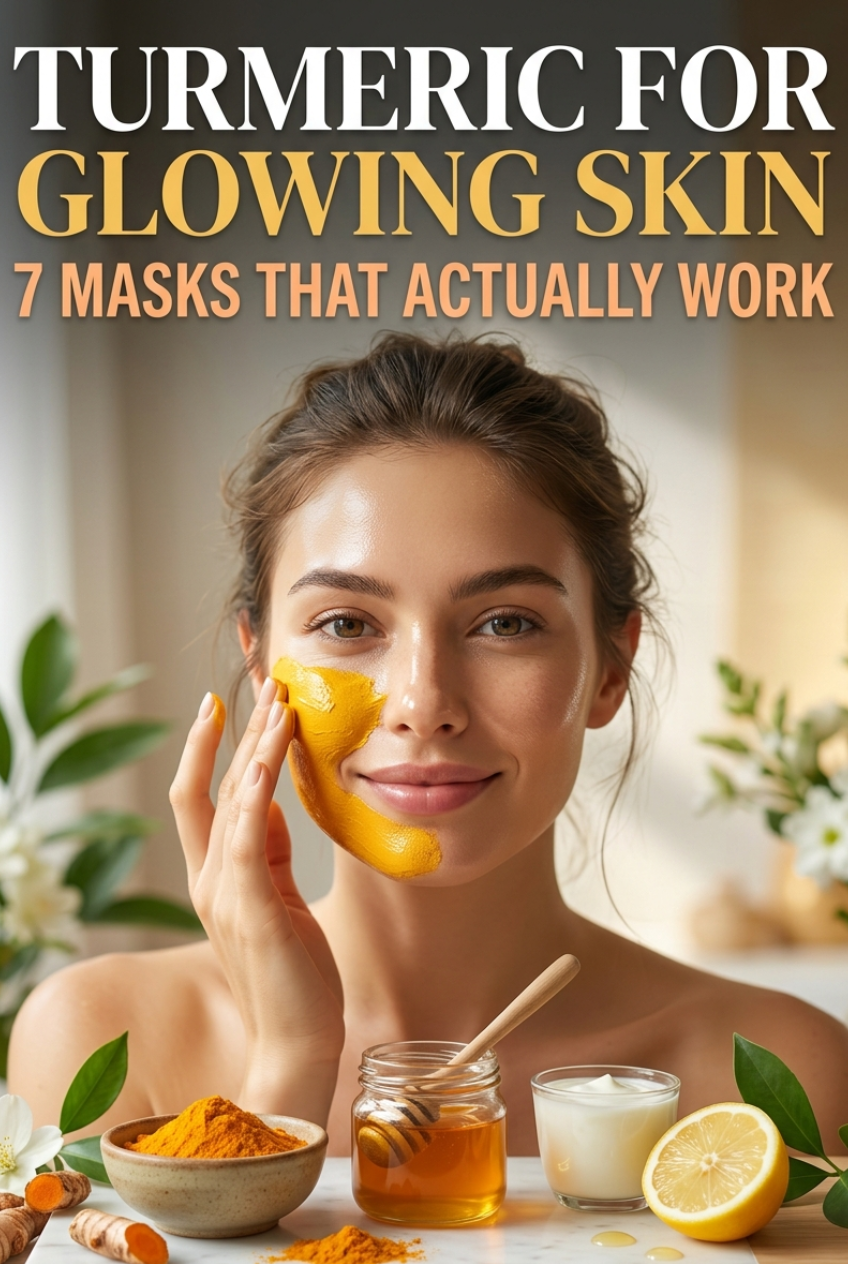
Ingredients: Half a teaspoon turmeric powder, one tablespoon raw honey, one tablespoon plain yogurt.
Method: Mix all ingredients to a smooth paste. Apply to clean skin and leave for 15 to 20 minutes. Rinse thoroughly with lukewarm water using gentle circular motions — turmeric temporarily stains fair skin if not rinsed completely. Follow with your regular moisturiser. Use twice weekly.
This foundation recipe combines three mechanisms simultaneously — turmeric’s tyrosinase inhibition, honey’s mild enzymatic brightening and antimicrobial action, and yogurt’s lactic acid that gently exfoliates the dead cell layer carrying the surface pigment deposits. The lactic acid also mildly increases skin permeability, allowing curcumin to penetrate more deeply than it would on unprepared skin. Used twice weekly for six weeks, most people see visible improvement in dark spot intensity and overall skin brightness.
Enhanced Recipe for Deep Dark Spots and Melasma
Ingredients: Half a teaspoon turmeric, one tablespoon raw honey, one teaspoon fresh lemon juice, one teaspoon rosehip oil.
Method: Mix all ingredients and apply to clean skin. Leave for 12 minutes — limit application time when using lemon juice as citric acid increases UV sensitivity. Rinse thoroughly and apply SPF the following morning without exception.
Adding lemon juice introduces vitamin C — which inhibits melanin production through a different enzyme pathway than curcumin, producing a synergistic dual-pathway brightening effect. Rosehip oil adds natural vitamin A that accelerates skin cell turnover, pushing pigmented surface cells out of the skin faster and replacing them with unpigmented fresh cells underneath. This recipe addresses dark spots through four distinct mechanisms simultaneously — the most comprehensive natural brightening treatment available from kitchen and health store ingredients. Results in hyperpigmentation are visible within three to four weeks of twice-weekly consistent use.
Turmeric Spot Treatment for Individual Dark Marks
Ingredients: A pinch of turmeric powder, half a teaspoon of aloe vera gel.
Method: Mix to a smooth paste and apply directly to individual dark spots using a cotton swab. Leave overnight and rinse in the morning. Use nightly on specific spots.
For targeted treatment of individual post-acne marks or sun spots, this overnight spot application delivers concentrated curcumin directly to the pigmented area during the skin’s peak repair window — when cell turnover is highest and active ingredients produce their most significant effect. Aloe vera provides a non-irritating carrier that also delivers its own aloesin compound, which has been shown to inhibit post-inflammatory hyperpigmentation specifically. Most people notice individual dark spots visibly lighter within two to three weeks of nightly targeted application.
Turmeric Mask for Oily and Acne-Prone Skin with Dark Spots
Ingredients: Half a teaspoon turmeric, one tablespoon plain low-fat yogurt, one teaspoon aloe vera gel, two drops tea tree oil.
Method: Mix all ingredients and apply to clean skin for 15 minutes. Rinse with cool water.
Low-fat yogurt maintains the lactic acid exfoliation without adding oil that congests acne-prone skin. Aloe vera replaces heavier oils as the hydrating and curcumin-delivery component, and tea tree oil adds antibacterial action against the inflammation-causing bacteria that create the post-acne marks this recipe targets. This combination addresses both the active acne and the dark marks it leaves behind in a single treatment — the most efficient recipe for skin that has ongoing breakouts alongside existing pigmentation.
Getting the Most From Your Turmeric Mask
- Always apply SPF the morning after any turmeric mask — curcumin mildly increases UV sensitivity and any UV exposure without SPF creates new dark spots faster than the mask can fade existing ones
- Use the mask in the evening — the temporary yellow tint on fair skin fades within an hour of rinsing but evening application means it is never visible during the day
- Rinse with lukewarm water and gentle circular motions — the mechanical action during rinsing provides additional mild exfoliation of the surface pigmented cells
- Be consistent for six to eight weeks before assessing results — dark spot fading is a gradual process that depends on skin cell turnover cycles of 28 to 45 days
- Use organic, culinary-grade turmeric powder — some cosmetic turmeric products have been processed in ways that reduce curcumin content
| Pro Tip: After rinsing the mask, apply a vitamin C serum before your moisturiser. The turmeric mask has gently exfoliated the skin surface and the temporary permeability increase from lactic acid means the vitamin C serum penetrates three to four times more effectively than it would on unprepared skin. This post-mask application window is the most productive moment of your skincare routine for active ingredient delivery. |
Turmeric is genuinely one of the most cost-effective and most scientifically supported natural dark spot treatments available. Two to three ingredients from your kitchen, mixed and applied twice a week, produce the kind of progressive brightening that expensive brightening serums promise. The key is patience and consistency — dark spots that took months to form take weeks to fade. Start this week and photograph your skin every four weeks. The comparison at week eight will show you exactly what consistent natural care can achieve.