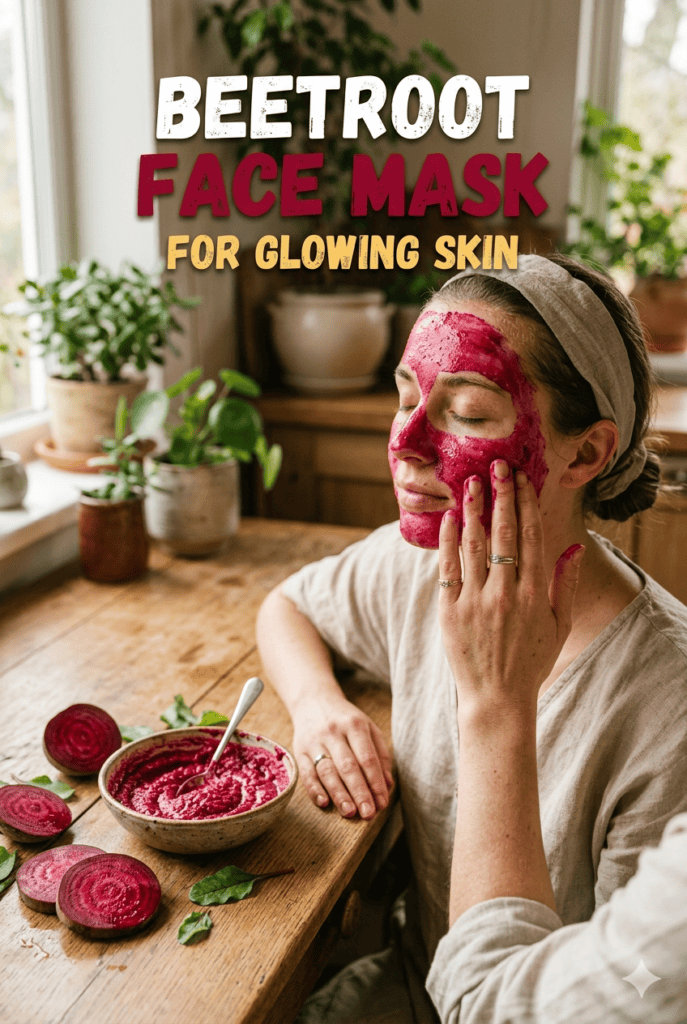
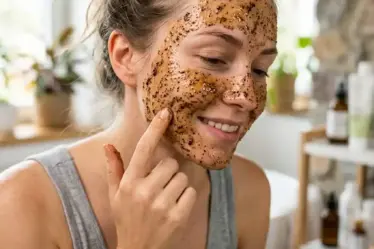
Beetroot — the deep crimson root vegetable most associated with salads and smoothies — is quietly one of the most powerful natural skincare ingredients available, and one of the least used in DIY beauty routines. Its extraordinary colour is the first clue to its skincare potential: that vivid red comes from betalains — a class of antioxidant pigments with documented anti-inflammatory and skin-protective properties. Combined with the nitrates, vitamin C, folate, and iron that make beetroot nutritionally exceptional as a food, these compounds produce a face mask with multiple measurable skin benefits.
Used consistently as a weekly face mask, beetroot brightens complexion, fades hyperpigmentation, reduces skin inflammation, provides anti-ageing antioxidant protection, and imparts the natural flush of colour that makes skin appear genuinely radiant. Here is exactly how to use it.
| Did You Know? Betalains — the antioxidant compounds that give beetroot its colour — have been shown in research to have significantly higher antioxidant capacity than anthocyanins (the antioxidants in blueberries) per gram of product. Applied topically, these antioxidants neutralise the free radicals that damage collagen and accelerate skin ageing, while the natural nitrates in beetroot juice improve skin microcirculation — delivering the fresh, flushed glow that makes beetroot masks so visually impressive. |
What Beetroot Does for Skin
Beetroot works on skin through several distinct active mechanisms. Its betalain antioxidants neutralise oxidative stress that dulls skin and breaks down collagen. Its vitamin C content inhibits melanin overproduction — directly reducing dark spots and uneven tone with consistent use. Its natural nitrates improve local microcirculation when applied topically, producing a genuine flush of blood to the skin surface that shows as a natural, healthy glow. Its anti-inflammatory compounds reduce redness and calm irritated skin. And the natural red pigment itself provides a temporary rosy tint to the skin that makes the immediate post-mask appearance of healthy, bright skin particularly striking.
Beetroot Face Mask Recipe 1 — The Basic Brightening Mask
Ingredients: One small raw beetroot (grated or juiced), one tablespoon of plain Greek yogurt, one teaspoon of raw honey.
Method: Grate the beetroot finely and press through a cloth to extract the juice. Mix one tablespoon of beetroot juice with the yogurt and honey. Apply to clean skin using a brush or fingertips. Leave for 15 to 20 minutes. Rinse thoroughly with lukewarm water.
This basic recipe delivers vitamin C and betalains from the beetroot, lactic acid brightening and probiotics from the yogurt, and antimicrobial hydration from the honey. Use twice weekly. Results in skin brightness and evenness are visible from the first use and accumulate significantly over four to six weeks of consistent application.
Beetroot Face Mask Recipe 2 — Anti-Aging Glow Mask
Ingredients: One tablespoon beetroot juice, half a ripe avocado, one teaspoon of rosehip oil, one teaspoon of raw honey.
Method: Mash the avocado to a smooth paste. Mix in the beetroot juice, rosehip oil, and honey until fully combined. Apply to clean skin and leave for 20 minutes before rinsing.
This richer formula combines beetroot’s brightening and antioxidant properties with avocado’s deeply moisturising oleic acid and vitamin E, and rosehip oil’s natural vitamin A and C for collagen stimulation. This mask is particularly suited to dry, mature, or dull skin that needs both brightening and nourishment simultaneously. The combination of multiple antioxidants produces a synergistic anti-ageing effect that any single ingredient alone cannot replicate.
Beetroot Face Mask Recipe 3 — Acne and Oily Skin Mask
Ingredients: One tablespoon beetroot juice, one tablespoon bentonite clay, one teaspoon of aloe vera gel, a few drops of tea tree oil.
Method: Mix all ingredients to a smooth paste, adding more beetroot juice if needed. Apply to clean skin and leave until just before completely dry. Rinse thoroughly.
This formula adapts beetroot’s brightening properties for oily and acne-prone skin by combining them with clay’s deep-cleansing adsorption, aloe’s anti-inflammatory and hydrating action, and tea tree oil’s antibacterial properties. The result is a deep-cleansing, brightening mask that reduces both the excess oil and the post-acne pigmentation that oily skin types struggle with simultaneously.
Important Tips for Using Beetroot on Skin
- Beetroot juice stains everything it contacts — wear old clothes, protect surfaces, and rinse the sink thoroughly after use
- The temporary pink tint it leaves on skin fades within 30 to 60 minutes of rinsing — this is not staining, it is the natural flush from improved circulation
- Always do a patch test on the inner wrist before the first application — some people have mild sensitivity to raw beetroot applied topically
- Use fresh raw beetroot rather than pickled or cooked — processing destroys the active betalains and vitamin C
- Follow every mask with SPF the next morning — vitamin C makes skin temporarily more photosensitive
| Pro Tip: Freeze leftover beetroot juice in an ice cube tray and use a frozen beetroot cube as a facial massage tool on clean skin for five minutes before applying your evening moisturiser. The cold reduces puffiness and tightens pores while the beetroot antioxidants are delivered continuously during the massage. This quick technique produces an immediate brightening and de-puffing effect that makes it a perfect pre-event skin treatment. |
Beetroot is inexpensive, available everywhere, and packed with skin-transforming compounds that most people have never thought to put on their face. Start with Recipe 1 this weekend — simple, effective, and immediately visible in its results. Use it consistently twice weekly for six weeks and compare your skin in photographs. The natural glow that beetroot produces is not temporary shimmer — it is genuinely healthier, brighter, more even skin from the inside and outside working together.