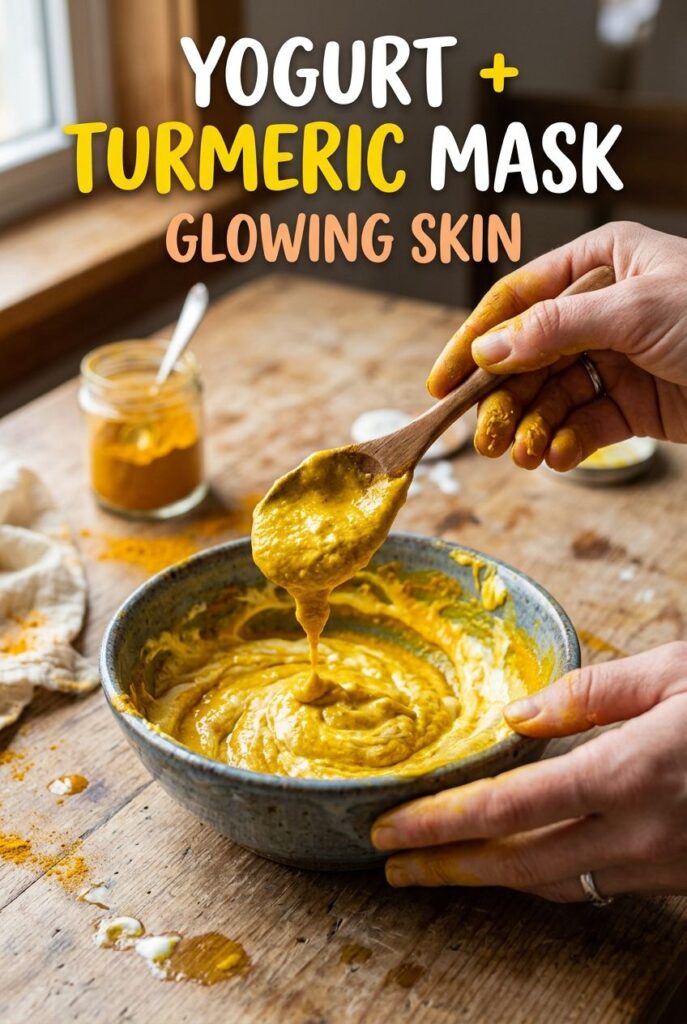
The combination of yogurt and turmeric is one of the oldest and most effective natural face mask combinations in the world. Used for centuries across South Asia and the Middle East as a beauty treatment for brides and for daily skin maintenance, this pairing has been validated by modern dermatology research that confirms the active mechanisms behind its remarkable results. When used together, yogurt and turmeric address virtually every major skin concern simultaneously — brightening, anti-aging, anti-acne, hydration, and barrier repair — in a single affordable, natural treatment.
The science is straightforward. Turmeric’s curcumin is one of the most potent natural anti-inflammatory and melanin-inhibiting compounds known. Yogurt’s lactic acid provides gentle chemical exfoliation and skin-lightening action. Together these two ingredients produce a face mask that works at multiple levels simultaneously. Here are the best recipes and exactly how to use them for maximum results.
| Science Says: A clinical study published in the Journal of Cosmetic Dermatology found that curcumin-based topical formulations significantly reduced facial pigmentation, improved skin radiance, and decreased the appearance of fine lines after just four weeks of twice-weekly application. The study specifically noted that the anti-melanogenic effect of curcumin operated through direct inhibition of tyrosinase — the enzyme responsible for melanin synthesis — at the cellular level. |
Why This Combination Works So Well
What Turmeric Does for Skin
Turmeric contains curcumin — a polyphenol compound that inhibits tyrosinase (the melanin-producing enzyme), neutralises free radicals that age skin, reduces the inflammatory cytokines that drive acne and redness, and stimulates collagen production through fibroblast activation. These four simultaneous actions make turmeric the most multi-functional single natural skincare ingredient available. The challenge with turmeric is its low bioavailability — curcumin is not easily absorbed through the skin in its raw form. This is where yogurt plays a critical role: its lactic acid mildly exfoliates the skin surface and increases skin permeability, allowing curcumin to penetrate more effectively than it would on skin without this pre-treatment.
What Yogurt Does for Skin
Plain yogurt contains lactic acid — an alpha-hydroxy acid that dissolves the bonds between dead skin cells and the fresh cells beneath them, gently exfoliating the skin surface without physical abrasion. It also contains probiotics that support the skin’s beneficial microbiome, zinc that reduces inflammation and sebum production, and proteins that temporarily tighten and smooth the skin surface. The lactic acid in yogurt is milder than glycolic acid, making it suitable for sensitive skin that cannot tolerate stronger chemical exfoliants — and its simultaneous hydrating and exfoliating action produces the smooth, bright skin surface that makes products applied after the mask absorb more effectively.
Basic Yogurt and Turmeric Mask — The Foundation Recipe
Ingredients: Two tablespoons plain full-fat yogurt, half a teaspoon turmeric powder, one teaspoon raw honey.
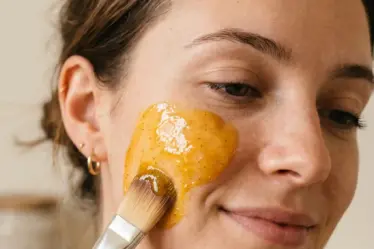
Method: Mix all ingredients to a smooth paste. Apply to clean skin using a brush or fingertips. Leave for 15 to 20 minutes. Rinse thoroughly with lukewarm water — turmeric temporarily stains light skin yellow if not rinsed completely. Pat dry and apply moisturiser.
This foundation recipe covers all the primary mechanisms — lactic acid exfoliation, curcumin brightening, and honey antimicrobial action — in the simplest possible format. Use twice weekly for four to six weeks and most people notice measurable improvement in skin brightness, evenness, and texture. This is the best starting point for anyone new to this mask combination.
Enhanced Recipe 1 — For Dark Spots and Hyperpigmentation
Ingredients: Two tablespoons plain yogurt, half a teaspoon turmeric, one teaspoon fresh lemon juice, one teaspoon raw honey.
Method: Mix all ingredients and apply to clean skin. Leave for 12 minutes — no longer when using lemon juice as extended application increases UV sensitivity. Rinse thoroughly and apply SPF the following morning without exception.
Adding lemon juice delivers additional vitamin C that works synergistically with turmeric’s tyrosinase inhibition — two different melanin-blocking pathways operating simultaneously. The combined brightening effect of yogurt lactic acid, turmeric curcumin, and lemon vitamin C produces the most significant dark spot fading of any recipe in this guide. Results in hyperpigmentation are visible within three to four weeks of twice-weekly use.
Enhanced Recipe 2 — Anti-Aging Firming Mask
Ingredients: Two tablespoons plain yogurt, half a teaspoon turmeric, one teaspoon rosehip oil, one teaspoon raw honey.
Method: Mix all ingredients to a smooth paste. Apply to clean skin and leave for 20 minutes. Rinse thoroughly with lukewarm water.
Rosehip oil adds natural vitamin A and essential fatty acids to this recipe — providing the collagen-stimulating and barrier-repairing benefits that complement turmeric’s anti-inflammatory action and yogurt’s exfoliation. This combination produces firmer, more radiant, more evenly toned skin with consistent use and is particularly suited to mature or ageing skin that needs both brightening and nourishment simultaneously.
Enhanced Recipe 3 — For Oily and Acne-Prone Skin
Ingredients: Two tablespoons plain low-fat yogurt, half a teaspoon turmeric, one teaspoon aloe vera gel, two drops tea tree oil.
Method: Mix all ingredients and apply to clean skin for 15 minutes. Rinse with cool water.
Low-fat yogurt for this recipe reduces the oil content while maintaining lactic acid benefits. Aloe vera replaces honey as the hydrating component — its non-comedogenic hydration is better suited to acne-prone skin than honey’s slightly thicker consistency. Tea tree oil adds direct antibacterial action against acne-causing bacteria. This recipe targets the three drivers of acne simultaneously: excess oil, bacteria, and inflammation.
How to Get the Most From Your Yogurt Turmeric Mask
- Always use full-fat plain yogurt — the fat content improves skin barrier nourishment and the plain variety ensures no added sugar that feeds acne bacteria
- Use the mask in the evening to avoid any temporary yellow tint being visible during the day
- The temporary yellow tint on fair skin rinses away completely with thorough washing — use lukewarm water and gentle circular motions during rinse
- Apply SPF the morning after every mask containing turmeric or lemon — both mildly increase UV sensitivity
- Refrigerate any leftover mask mixture and use within 24 hours — yogurt and turmeric combined degrade quickly at room temperature
| Pro Tip: Apply a thin layer of your regular toner immediately after rinsing the mask while skin is still slightly damp. The lactic acid from the yogurt has opened the skin surface and the mild exfoliation has removed the dead cell layer — making the post-mask skin maximally receptive to whatever you apply next. Any brightening serum or treatment applied at this point absorbs three to four times more effectively than on unprepared skin. |
The yogurt and turmeric face mask is genuinely one of the most cost-effective, evidence-backed natural skincare treatments available. Two common kitchen ingredients, mixed together twice weekly, producing results that rival expensive brightening treatments. Start with the basic recipe this week — apply it, leave it for 15 minutes, and rinse it off. Your skin will show you immediately why this ancient combination has endured for centuries.