Thick, healthy, shiny hair is not just genetics — it is the result of consistent care, the right nutrition, and understanding what your hair actually needs to grow strong. Many people experience hair thinning, breakage, and slow growth without realising that the causes are almost always addressable. Whether your hair has always been fine or has become thinner over time, these proven natural strategies work at the root level — literally — to produce noticeably thicker, stronger, healthier hair.
| Science Says: A landmark study in the Skinmed Journal found that daily scalp massage for just four minutes increased hair shaft thickness significantly after 24 weeks compared to a control group. The researchers concluded that the mechanical stimulation directly activated follicle stem cells and increased blood flow to the hair root — two of the most important factors in hair thickness and growth rate. |
Why Hair Becomes Thin and Weak
Hair thickness and strength are determined by the health of the hair follicle — the living structure beneath the scalp from which each strand grows. Follicle health depends on blood supply bringing oxygen and nutrients, hormonal signals that determine the growth phase duration, nutritional availability of the building blocks of keratin (the protein hair is made of), and the absence of inflammation or DHT-driven miniaturisation that shrinks follicles over time. Addressing these factors is what produces genuine, lasting improvement in hair thickness — not surface conditioning treatments that improve appearance without addressing the underlying causes.
Tip 1: Daily Scalp Massage With Growth Oils
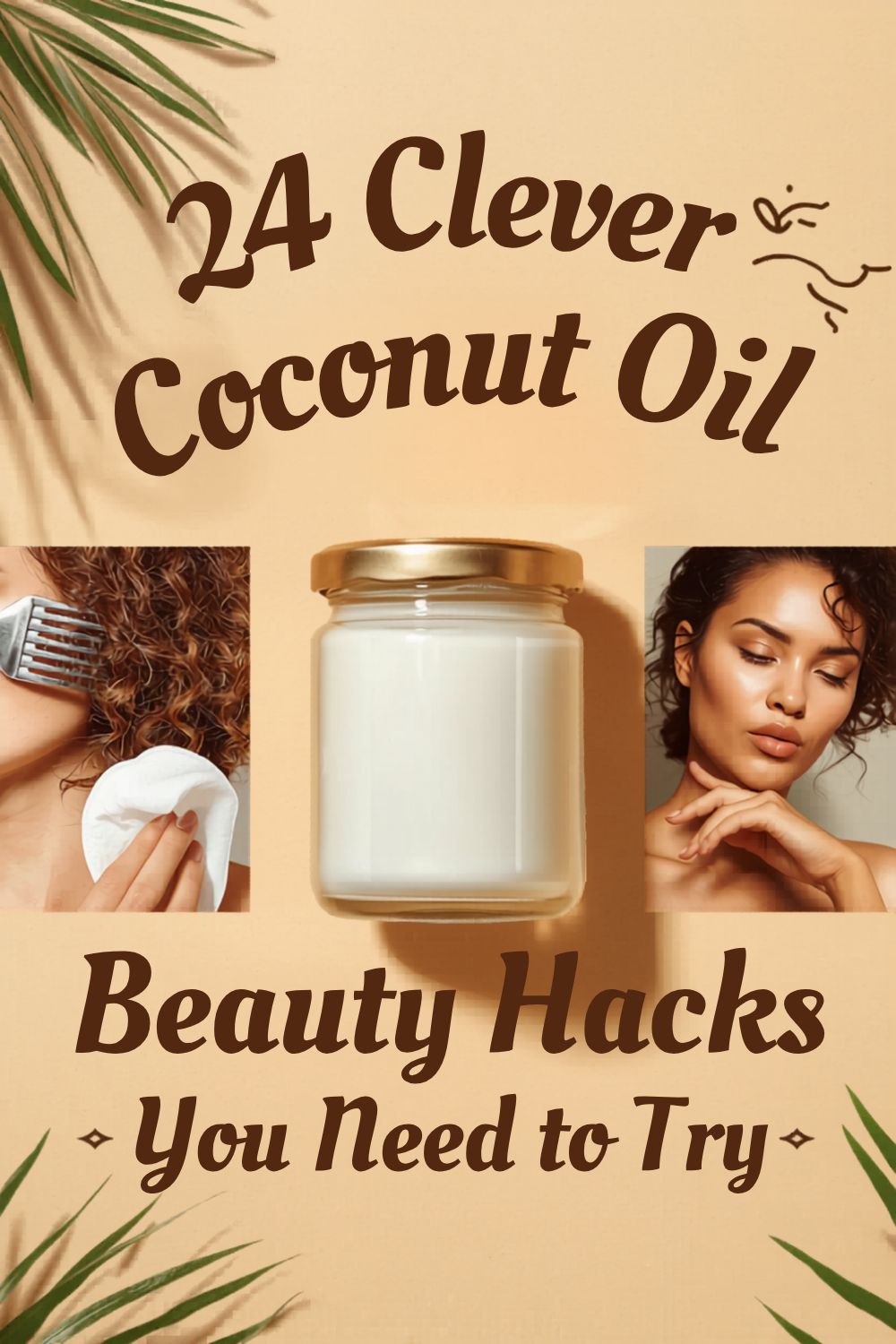
Five minutes of daily scalp massage is the single most impactful free habit for hair thickness. Using the fingertips in firm circular motions across the entire scalp, massage stimulates blood flow to follicles, activates follicle stem cells, and reduces scalp tension that restricts follicle function. Enhance the effect by applying a growth oil before massaging — rosemary oil diluted in a carrier oil is the most clinically supported choice. A 2023 study found rosemary oil equivalent to 2% minoxidil for stimulating hair growth with significantly fewer side effects. Mix five drops of rosemary essential oil with one tablespoon of coconut or jojoba oil and massage into the scalp daily. Leave for at least one hour or overnight before washing.
Tip 2: Eat Enough Protein Every Day
Hair is made almost entirely of keratin — a structural protein. When dietary protein is insufficient, the body prioritises protein for essential organ function and reduces allocation to hair growth — producing the diffuse thinning and increased shedding that many people experience during low-protein diets or periods of restricted eating. Aim for at least 0.8 grams of protein per kilogram of body weight daily, increasing to 1 to 1.2 grams if you are active. The most hair-beneficial protein sources are eggs (which also provide biotin and zinc), fatty fish (which add hair-nourishing omega-3s), Greek yogurt, legumes, and lean meats. Consistent adequate protein intake produces measurable improvement in hair thickness within three to four months.
Tip 3: Take a Targeted Hair Supplement
Several specific nutrients are directly involved in hair follicle function and are commonly deficient in women with thinning hair. Biotin (vitamin B7) is an essential cofactor for keratin synthesis — deficiency produces brittle, thin hair that breaks easily. Iron and ferritin deficiency is the most common nutritional cause of hair loss in women — hair follicles are extremely sensitive to iron availability. Zinc supports follicle repair and the oil gland function around each follicle. Vitamin D has receptors in hair follicles and deficiency is strongly associated with hair thinning. A blood test checking ferritin, vitamin D, zinc, and thyroid function identifies the specific deficiencies driving thinning — targeted supplementation then corrects the root cause rather than guessing.
Tip 4: Weekly Deep Conditioning Oil Treatment
Once per week, apply a generous amount of warm oil to the scalp and hair lengths, massage thoroughly, cover with a shower cap, and leave for two to four hours before washing out. The best oils for hair thickness are castor oil (ricinoleic acid improves scalp circulation and provides anti-inflammatory benefits), coconut oil (penetrates the hair shaft to reduce protein loss and strengthen strands from within), and argan oil (rich in vitamin E and fatty acids that reduce breakage and improve elasticity). This weekly deep treatment reduces the breakage that prevents hair from retaining its length — because hair can only grow as long as it can survive without snapping.
Tip 5: Handle Hair Gently to Prevent Breakage
Hair grows approximately 1.25cm per month — but if it breaks at the same rate, it never appears to get longer or thicker. Reducing mechanical damage is as important as stimulating growth. Never brush wet hair — it stretches up to 30% and snaps easily when wet. Use a wide-tooth comb on damp hair starting from the ends and working upward. Sleep on a silk or satin pillowcase that reduces the friction causing breakage overnight. Air dry whenever possible — heat styling is one of the primary causes of the protein damage that makes hair thin and brittle. These protective habits prevent the breakage cycle that keeps hair permanently short and thin.
Tip 6: Nourish From the Inside With the Right Foods
- Eggs — complete protein, biotin, zinc, and selenium all in one food
- Pumpkin seeds — richest plant source of zinc for follicle health
- Spinach — iron, folate, and vitamins A and C that support sebum production and collagen
- Fatty fish — omega-3s reduce scalp inflammation that restricts follicle function
- Sweet potato — beta-carotene that converts to vitamin A, essential for sebaceous gland function
- Avocado — vitamin E protects existing hair from oxidative damage and supports scalp health
| Pro Tip: Rinse your hair with cold water as the final step of every shower. Cold water closes the hair cuticle — the overlapping scale-like outer layer of each strand — producing a smooth, flat surface that reflects light (making hair appear shinier), reduces moisture loss (keeping strands stronger), and reduces tangles (decreasing mechanical breakage during styling). This 30-second habit produces visible improvement in hair quality from the very first use. |
Thick, healthy hair is built over months of consistent, targeted care — not overnight. Daily scalp massage, adequate protein, targeted supplements, weekly oil treatments, and gentle handling address every major driver of hair thinning simultaneously. Start with the scalp massage and the protein assessment this week. Your hair will tell you within eight to twelve weeks whether the approach is working — and it will.