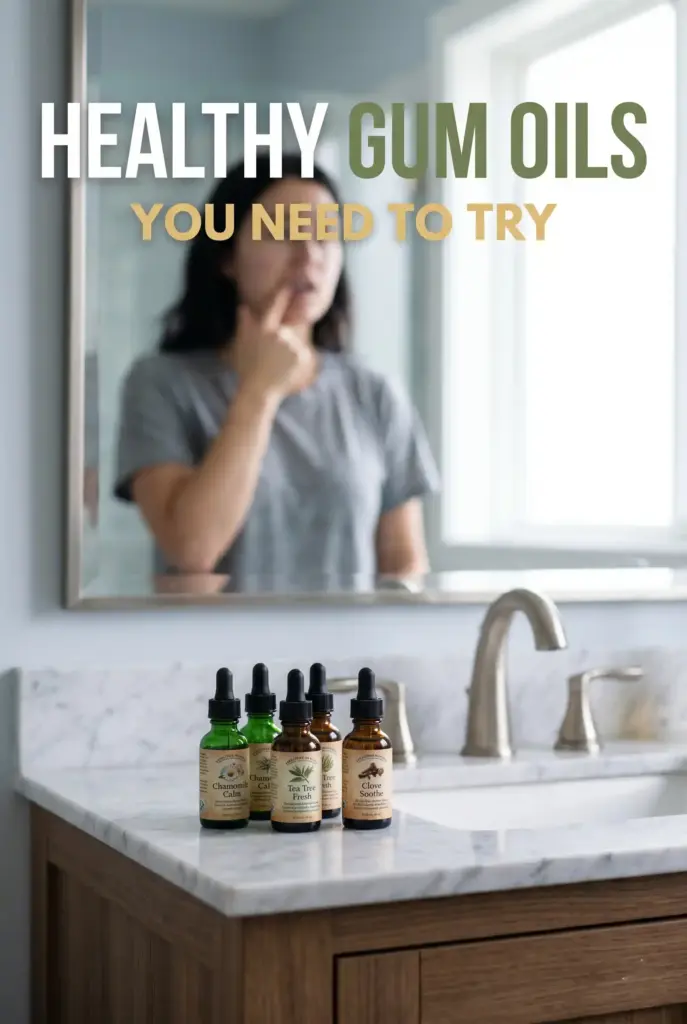
The connection between gum health and whole-body health is now firmly established in medical research. Periodontal bacteria and the systemic inflammation they generate have been linked to cardiovascular disease, type 2 diabetes complications, respiratory infections, and adverse pregnancy outcomes. Gum disease is also one of the most common chronic conditions in the world — affecting the majority of adults to some degree. And in its earliest stage, gingivitis, it is almost entirely reversible with consistent and correctly targeted home care.
Natural oils occupy a unique and scientifically supported role in gum care. Unlike alcohol-based commercial mouthwashes that disrupt the entire oral microbiome — beneficial and harmful bacteria alike — specific natural oils selectively target the pathogenic bacteria driving gum disease while supporting the beneficial microbiome that protects the oral environment. Several have clinical trial evidence comparing them directly to pharmaceutical-grade products. Here is the complete guide to the most effective oils and exactly how to use them.
| Science Says: A randomised controlled trial published in the Nigerian Medical Journal found that coconut oil pulling for 10 minutes daily was as effective as chlorhexidine mouthwash — the pharmaceutical gold standard for plaque control and gum disease management — in reducing plaque index and gingival inflammation scores after four weeks. Unlike chlorhexidine, coconut oil produced no staining, no altered taste sensation, and no disruption of the beneficial oral microbiome. |
Oil 1: Coconut Oil — The Foundation of Natural Gum Care
Coconut oil’s lauric acid gives it the most clinically validated antimicrobial activity of any carrier oil for oral use. Lauric acid specifically kills Streptococcus mutans (the primary cavity-causing bacteria) and Porphyromonas gingivalis (one of the most destructive periodontal pathogens in advanced gum disease) through direct disruption of bacterial cell membranes. Unlike pharmaceutical antiseptics, lauric acid does not indiscriminately kill all oral bacteria — it has selective activity that preserves the beneficial Lactobacillus species that protect the oral environment. Oil pulling with one tablespoon of virgin coconut oil for 10 minutes every morning before brushing is the most evidence-supported daily natural gum care practice available. The mechanical swishing action physically disrupts the plaque biofilm in the subgingival spaces that toothbrush bristles cannot reach, while the lauric acid kills pathogenic bacteria throughout the process.
Oil 2: Sesame Oil — The Traditional Ayurvedic Alternative
Sesame oil is the original oil pulling medium — used in Ayurvedic medicine for thousands of years before coconut oil became the modern default. Its sesaminol and sesamolin antioxidants provide anti-inflammatory action on gum tissue, and its antibacterial sesame lignans have documented activity against several oral pathogens. A direct clinical comparison of sesame oil and chlorhexidine mouthwash for plaque reduction found equivalent results after 45 days of daily oil pulling, establishing sesame oil as a genuine clinical alternative for people who prefer its milder flavour and liquid room-temperature texture over coconut oil’s stronger taste and tendency to solidify in cold environments.
Oil 3: Clove Oil — For Pain, Infection, and Targeted Treatment
Clove oil’s eugenol content (70 to 90%) makes it the most pharmacologically active essential oil for oral use. Eugenol is simultaneously a topical analgesic (blocking sodium channels to prevent pain signal transmission), a potent antibacterial against periodontal pathogens, a proven anti-inflammatory that reduces gum swelling, and an inhibitor of plaque biofilm formation at concentrations far below those needed for its other effects. Multiple pharmaceutical dental preparations — including dental anaesthetics and post-extraction dressings — are eugenol-based precisely because of this unique combination of properties. For targeted use on inflamed, painful, or infected gum areas: mix one drop of therapeutic-grade clove essential oil in one teaspoon of coconut oil. Apply to the affected gum using a cotton swab. Leave for three to five minutes then rinse. Use twice daily for acute gum infection or pain.
Oil 4: Tea Tree Oil — For Bleeding and Bacteria
Tea tree oil’s terpinen-4-ol provides broad-spectrum antimicrobial activity specifically against the organisms driving gum disease progression — including Porphyromonas gingivalis, Prevotella intermedia, and Fusobacterium nucleatum. A clinical trial using 2.5% tea tree oil gel applied three times daily produced statistically significant reductions in gingival bleeding index and plaque scores over eight weeks. For home use, add two drops of therapeutic-grade tea tree oil to one tablespoon of coconut oil for daily oil pulling — the combination of coconut oil’s lauric acid and tea tree’s terpinen-4-ol provides broader antimicrobial coverage than either oil alone. Never use undiluted or swallow.
Oil 5: Oregano Oil — For Persistent or Resistant Infection
Oregano oil’s carvacrol and thymol content gives it the strongest antibacterial activity of any essential oil used in oral care — with documented efficacy against over 25 bacterial species including the most aggressive periodontal pathogens. It is the appropriate oil to reach for when other approaches have produced insufficient improvement — for persistent bleeding gums, recurrent infection, or when professional cleaning has identified a high bacterial load. Mix one drop of food-grade oregano oil in two teaspoons of coconut oil. Massage along the gum line with a clean fingertip for two minutes before rinsing. Use two to three times per week. The heat sensation confirms adequate concentration — never apply more concentrated or skip the carrier oil dilution.
Oil 6: Frankincense Oil — For Inflammation and Tissue Repair
Frankincense essential oil’s boswellic acids inhibit 5-lipoxygenase — an inflammatory enzyme that standard anti-inflammatory approaches do not target — making it a genuinely complementary anti-inflammatory for gum care. Research has also demonstrated that boswellic acids support tissue regeneration, making frankincense particularly relevant for gum tissue that has undergone mild recession or inflammatory damage. Mix three drops in one teaspoon of jojoba oil and apply to the full gum line with a clean fingertip as an overnight massage treatment, leaving on without rinsing. Use three to four times weekly for anti-inflammatory and tissue-regenerating maintenance.
Your Daily Gum Oil Protocol
Every morning before brushing: One tablespoon coconut or sesame oil with two drops tea tree oil. Pull for 10 minutes. Spit into bin, rinse, then brush.
After evening brushing: Two to three drops peppermint oil in warm water as a 30-second freshening and antibacterial rinse.
Two to three times weekly: Targeted clove oil application to sensitive or inflamed gum areas. Frankincense overnight gum massage.
| Pro Tip: After your evening oil gum massage, avoid rinsing with water immediately. Allow the oils to remain in contact with the gum tissue overnight for maximum antimicrobial contact time. The active compounds continue working throughout the night against the bacteria colonising the gum margin — rinsing immediately after application reduces this extended benefit significantly. Simply brush teeth first, then apply the oil massage as the final step before sleep. |
Natural oils provide some of the most pharmacologically active and best-evidenced gum care available outside a dentist’s office — when selected correctly and used consistently. Start with daily coconut oil pulling tomorrow morning. Add targeted clove oil treatment for any areas that bleed or feel sensitive. Build the frankincense overnight massage into your weekly routine. Most people notice reduced gum bleeding, improved breath, and greater comfort in the gum tissue within 10 to 14 days of consistent daily oil pulling practice.