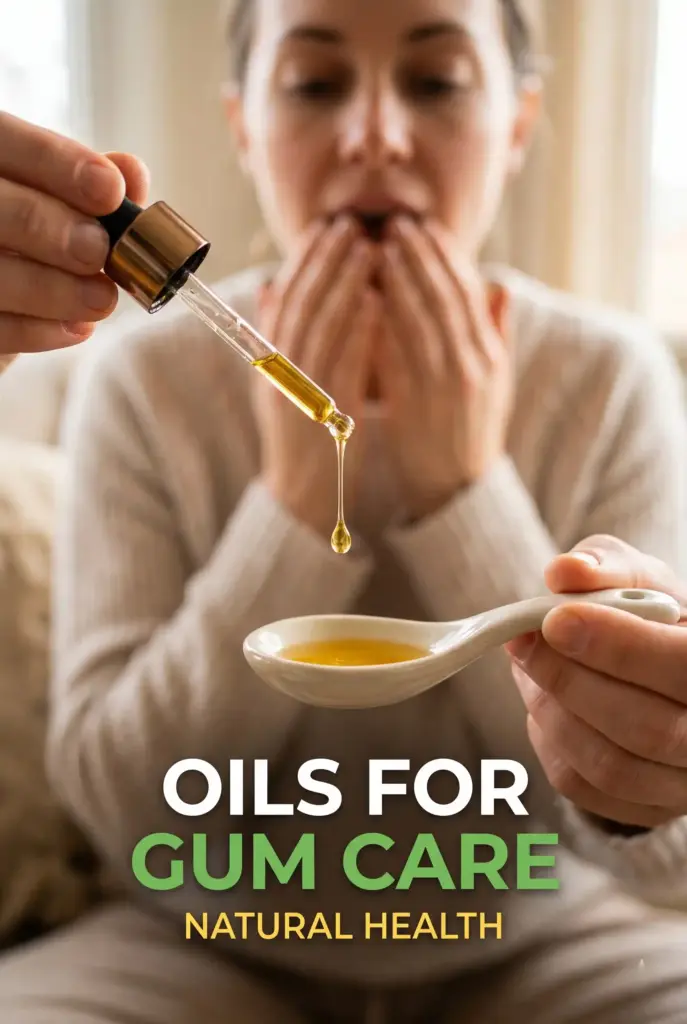
Essential oils have been used in oral care formulations for over a century — and this is not coincidence or trend. The concentrated active compounds in specific essential oils have documented, studied antibacterial, antifungal, and anti-inflammatory properties that are directly relevant to the bacteria-driven inflammation at the heart of gum disease. Many pharmaceutical mouthwashes and dental preparations — including the widely prescribed chlorhexidine — were developed from or inspired by essential oil active compounds. Understanding which oils work, why they work, and how to use them correctly unlocks one of the most effective natural additions to a gum care routine available.
The key difference between essential oils used correctly and used incorrectly in oral care is dilution. Essential oils are extraordinarily concentrated — a single drop contains active compounds equivalent to multiple cups of herbal tea — and they must always be diluted in a carrier oil, water, or a neutral base before oral use. Undiluted essential oils applied to gum tissue cause chemical burns, not healing. The correct dilution ratios and application methods are covered in detail for each oil below.
| Science Says: A randomised controlled trial published in the Journal of Clinical Periodontology compared essential oil mouthwash (containing thymol, eucalyptol, menthol, and methyl salicylate) with both chlorhexidine and a placebo over six months. The essential oil group showed statistically equivalent reductions in plaque index and gingival inflammation to chlorhexidine — the pharmaceutical gold standard for gum disease management — without chlorhexidine’s side effects of staining and altered taste. |
Essential Oil 1: Clove Oil — The Strongest Analgesic and Antibacterial
Clove oil contains eugenol at concentrations of 70 to 90% — a compound so pharmacologically active that it forms the basis of multiple dental anaesthetic and antimicrobial preparations used in professional dentistry. Eugenol is simultaneously a potent topical analgesic (blocking sodium channels to prevent pain signal transmission), a powerful antibacterial against the specific periodontal pathogens driving gum disease, and a proven anti-inflammatory that reduces gum tissue swelling and redness. For acute gum pain, infection, or inflammation: mix one drop of therapeutic-grade clove essential oil in one teaspoon of coconut oil. Apply directly to the affected gum area using a cotton swab. Leave for three to five minutes then rinse thoroughly. Do not use more than once or twice daily — eugenol causes tissue irritation with excessive application frequency.
Essential Oil 2: Tea Tree Oil — For Bleeding and Infected Gums
Tea tree oil’s terpinen-4-ol content gives it broad-spectrum antimicrobial activity against the bacteria most responsible for gum disease progression, including Porphyromonas gingivalis, Prevotella intermedia, and Fusobacterium nucleatum. A clinical trial using 2.5% tea tree oil gel applied three times daily produced statistically significant reductions in gingival bleeding index and plaque scores over eight weeks — establishing it as one of the most clinically supported essential oils for active gum disease management. For use as a gum treatment: add two drops to one tablespoon of coconut oil and use as an oil pulling medium for 10 minutes each morning. Alternatively, add two drops to a glass of warm water and swish as a 30-second antibacterial rinse after brushing. Never use undiluted or swallow.
Essential Oil 3: Peppermint Oil — For Freshness, Pain Relief, and Antibacterial Action
Peppermint oil’s menthol provides a threefold benefit for gum care. Its natural antibacterial properties inhibit Streptococcus mutans and several periodontal pathogens. Its anti-inflammatory activity reduces the gum redness and swelling of gingivitis. And its menthol cooling sensation provides immediate, noticeable pain relief from sensitive or inflamed gum areas through cold receptor (TRPM8) activation — reducing the pain perception independently of its antimicrobial activity. Peppermint oil is the mildest of the three essential oils in this guide and is the best starting choice for people new to essential oil gum care. Add three drops to one tablespoon of coconut oil for daily oil pulling, or two drops to water for a refreshing daily gum rinse that provides both antimicrobial action and instant freshness.
Essential Oil 4: Oregano Oil — For Persistent or Resistant Gum Infection
Oregano oil’s carvacrol and thymol content make it the most potent natural antibacterial essential oil available for oral use — with documented activity against over 25 bacterial species including the most aggressive periodontal pathogens. Research has specifically confirmed oregano oil’s effectiveness against Aggregatibacter actinomycetemcomitans — one of the most destructive bacteria in advanced periodontitis. Because oregano oil is extremely strong and produces a significant heat sensation, it requires higher dilution than other oils for oral use. Mix one drop of food-grade oregano oil in two teaspoons of coconut oil and apply only to the gum line using a clean fingertip, massaging gently for two minutes before rinsing. Use two to three times per week for persistent gum infection or as a weekly preventive treatment. Never use more concentrated than this dilution.
Essential Oil 5: Frankincense Oil — For Inflammation and Tissue Repair
Frankincense essential oil contains alpha-boswellic acids and incensole acetate — compounds with specific activity on inflammatory pathways that other essential oils do not address. Boswellic acids inhibit the 5-lipoxygenase enzyme involved in leukotriene production — a different anti-inflammatory pathway from the COX inhibition that most other natural anti-inflammatories target. This means frankincense provides anti-inflammatory gum care through a mechanism that is genuinely complementary to rather than repetitive of other oils in a blended protocol. Additionally, frankincense promotes tissue regeneration — relevant for gum tissue that has been damaged or has undergone mild recession from gum disease. Mix three drops in one teaspoon of carrier oil and apply to the gum line as a nightly massage treatment, leaving on without rinsing overnight.
The Best Essential Oil Gum Care Protocol
Daily morning oil pulling: One tablespoon coconut oil plus two drops tea tree and two drops peppermint. Swish for 10 minutes before brushing.
Post-brush evening rinse: Two drops peppermint in a glass of warm water. Swish for 30 seconds after flossing and brushing.
Targeted gum treatment (2-3 times weekly): One drop clove in one teaspoon coconut oil applied to inflamed or sensitive areas with a cotton swab. Leave three minutes then rinse.
Weekly overnight nourishing massage: Three drops frankincense in one teaspoon jojoba oil massaged into the full gum line before bed. Leave overnight.
Safety Rules for Essential Oils in Oral Care
- Always dilute — undiluted essential oils cause chemical burns to gum tissue and oral mucosa
- Use only therapeutic or food-grade quality oils for oral applications
- Never swallow essential oil preparations — spit thoroughly after every oil pulling and rinse session
- Keep away from eyes — essential oil vapours cause significant eye irritation
- Reduce or pause use if you notice increased sensitivity or irritation — reduce concentration further before continuing
- Pregnant women should consult a healthcare provider before using clove, oregano, or frankincense oils orally
| Pro Tip: Create a concentrated gum care oil blend to keep accessible: combine 10ml jojoba oil as a base with five drops clove oil, five drops tea tree oil, three drops frankincense oil, and four drops peppermint oil in a small dark glass bottle. Use two to three drops of this blend mixed into one teaspoon of plain coconut oil for any gum treatment application. The blend keeps for three to four months stored away from light and heat and eliminates the need to measure individual oils each time. |
Essential oils provide some of the most pharmacologically active and most clinically supported natural compounds available for gum health — when used correctly at appropriate dilutions and with the right consistency. The daily oil pulling protocol with tea tree and peppermint provides the broadest antimicrobial coverage. Targeted clove application addresses acute inflammation and pain. Frankincense overnight massage supports tissue repair and anti-inflammatory maintenance. Start with the daily oil pulling tomorrow morning and build the full protocol over the following two weeks. Most people notice reduced gum bleeding and improved oral freshness within 10 to 14 days of consistent daily essential oil oral care.