Your gums are the foundation of your entire oral health — and they receive far less attention than the teeth they support. Gum disease is one of the most prevalent chronic conditions in the world, affecting the majority of adults to some degree. In its earliest stage — gingivitis — it is characterised by gum tissue that bleeds when brushed, appears red or swollen, and may feel tender. At this stage, gum disease is almost entirely reversible with improved home care. Left unaddressed, gingivitis progresses to periodontitis — a more serious condition where the infection deepens into the bone supporting the teeth, causing irreversible recession, bone loss, and ultimately tooth loss.
The connection between gum health and overall health is now firmly established. Periodontal bacteria and the inflammation they generate have been linked to cardiovascular disease, diabetes complications, respiratory conditions, and adverse pregnancy outcomes through the systemic inflammatory compounds that chronic gum infection releases into the bloodstream. These tips are genuinely worth following for whole-body health, not just for a better smile.
| Did You Know? Bleeding gums when brushing or flossing are never normal — they are always a sign of inflammation. The common belief that bleeding gums from flossing indicate that flossing is too harsh is a myth that leads to people stopping flossing as a result of the very symptom that indicates they need it most. Consistent daily flossing reduces gum bleeding within one to two weeks in most people with gingivitis. |
Tip 1: Brush Correctly — Technique Matters More Than Pressure
The most common brushing mistake is using too much pressure in a horizontal scrubbing motion. Hard pressure and horizontal scrubbing damage both enamel and gum tissue over time, causing the gum recession and enamel wear that paradoxically worsen the oral health they are meant to improve. The correct technique is the modified Bass method: hold a soft-bristled brush at a 45-degree angle to the gum line, make gentle small circular or vibratory motions where the bristles clean the space between the tooth and gum margin, and sweep gently upward (lower teeth) or downward (upper teeth) away from the gum. Two full minutes, twice daily, with a soft-bristled brush used correctly is far more beneficial than vigorous brushing with a firm brush.
Replace your toothbrush every three months — worn, frayed bristles do not clean the gum margin effectively regardless of technique. Electric toothbrushes with a pressure sensor that alerts when brushing too hard produce consistently superior plaque removal and better gum health outcomes than manual brushing in clinical studies.
Tip 2: Floss Every Single Evening — Non-Negotiable
Flossing is the most important and most consistently skipped oral hygiene step — and the consequences are disproportionate to the two minutes it takes. Approximately 40% of tooth surfaces and all of the space between teeth and at the gum margin between teeth are unreachable by a toothbrush. This is where the plaque that causes gum disease accumulates most heavily, most consistently, and with the least disruption from standard brushing. Daily flossing is the only way to remove this plaque before it mineralises into tartar and begins driving the gum inflammation of gingivitis.
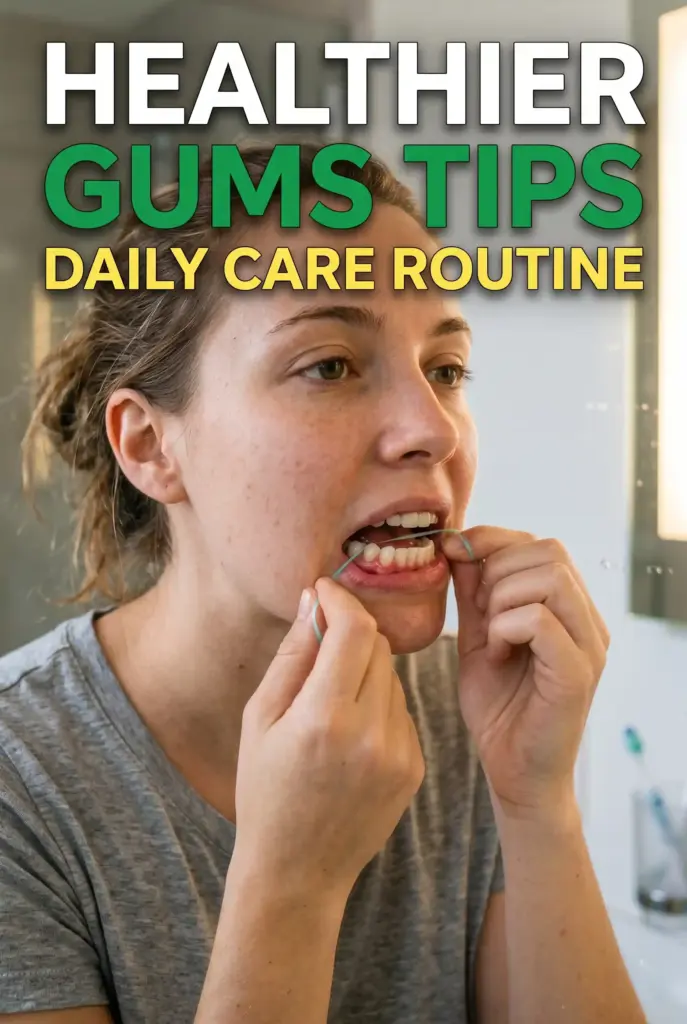
Technique matters with flossing as much as with brushing. Use approximately 45cm of floss, wrap most around the middle fingers of each hand, and use a fresh section for each tooth. Gently guide the floss down between teeth using a zigzag motion, curve it against the tooth surface in a C-shape, and slide up and down against the tooth surface and just under the gum margin. Never snap the floss into the gums — this causes injury rather than cleaning. Water flossers are a highly effective alternative for people who struggle with traditional floss.
Tip 3: Use a Salt Water Rinse Daily
A warm salt water rinse performed after brushing is one of the simplest and most effective natural additions to a gum care routine. The hypertonic salt solution draws fluid from inflamed gum tissue through osmosis, reducing swelling, and creates an inhospitable environment for the anaerobic bacteria that cause gum disease. Multiple clinical studies confirm that salt water rinses reduce gingival inflammation and bleeding comparably to some commercial mouthwashes without the alcohol that dries the oral mucosa and disrupts the beneficial oral microbiome. Dissolve half a teaspoon of sea salt or Himalayan salt in a glass of warm water and rinse for 30 seconds after your evening brush. Most people notice reduced gum bleeding within one week of consistent daily use.
Tip 4: Oil Pull With Coconut Oil Every Morning
Oil pulling — swishing one tablespoon of virgin coconut oil around the mouth for 10 minutes before brushing — has emerged from traditional Ayurvedic practice into clinically validated gum care. Coconut oil’s lauric acid kills the periodontal pathogens responsible for gum disease through direct antimicrobial action, while the mechanical swishing disrupts the plaque biofilm at the gum line in areas that toothbrush bristles cannot effectively reach. A randomised controlled trial published in the Nigerian Medical Journal found that coconut oil pulling was as effective as chlorhexidine mouthwash in reducing plaque index and gingival scores after four weeks, with no adverse effects. Use every morning before brushing and spitting, rinse with warm water, then brush as normal.
Tip 5: Eat for Gum Health
Nutrition directly affects gum tissue integrity and the immune response to periodontal bacteria. Vitamin C is the most critical nutrient for gum health — it is essential for collagen synthesis in gum tissue, and deficiency produces the bleeding, swollen gums of scurvy even at sub-clinical levels. Eat vitamin C-rich foods daily: bell peppers, citrus fruits, kiwi, broccoli, and strawberries. Vitamin D supports the immune response that controls periodontal bacteria and is found in oily fish, egg yolks, and sunlight. Omega-3 fatty acids reduce the systemic inflammation that drives gum disease progression. Reducing sugar and refined carbohydrates starves the acid-producing bacteria that cause both decay and gum disease of their primary fuel source.
Tip 6: Never Skip Your Professional Cleaning
No home care routine — however diligent — can replace professional dental cleaning every six months. Tartar — the mineralised plaque that accumulates below the gum line even with daily brushing and flossing — can only be removed with professional scaling instruments. This subgingival tartar is the primary driver of the progressive gum disease that leads to irreversible bone loss. Professional cleaning removes this deposit, allows the hygienist to identify early signs of gum disease before they become serious, and provides the clean baseline from which your home care routine can actually maintain gum health rather than trying to manage an escalating infection.
| Pro Tip: Add a gum massage to your evening routine using coconut oil mixed with one drop of diluted clove or tea tree essential oil. Apply with a clean fingertip along the gum line and massage in small circular motions for two minutes after flossing. This targeted oil massage delivers antimicrobial active compounds directly into the gum margin — the most inflammation-prone area — and the mechanical massage itself improves circulation to the gum tissue, supporting healthy cell turnover and repair. |
Healthy gums are not a cosmetic priority — they are a health priority. The combination of correct brushing technique, daily flossing, salt water rinsing, oil pulling, nutritional support, and regular professional care addresses every driver of gum disease simultaneously and produces the firm, pink, non-bleeding gum tissue that is the foundation of both a healthy mouth and a genuinely attractive smile. Start with the flossing and the salt water rinse tonight — the two changes that produce the fastest visible improvement in gum health.