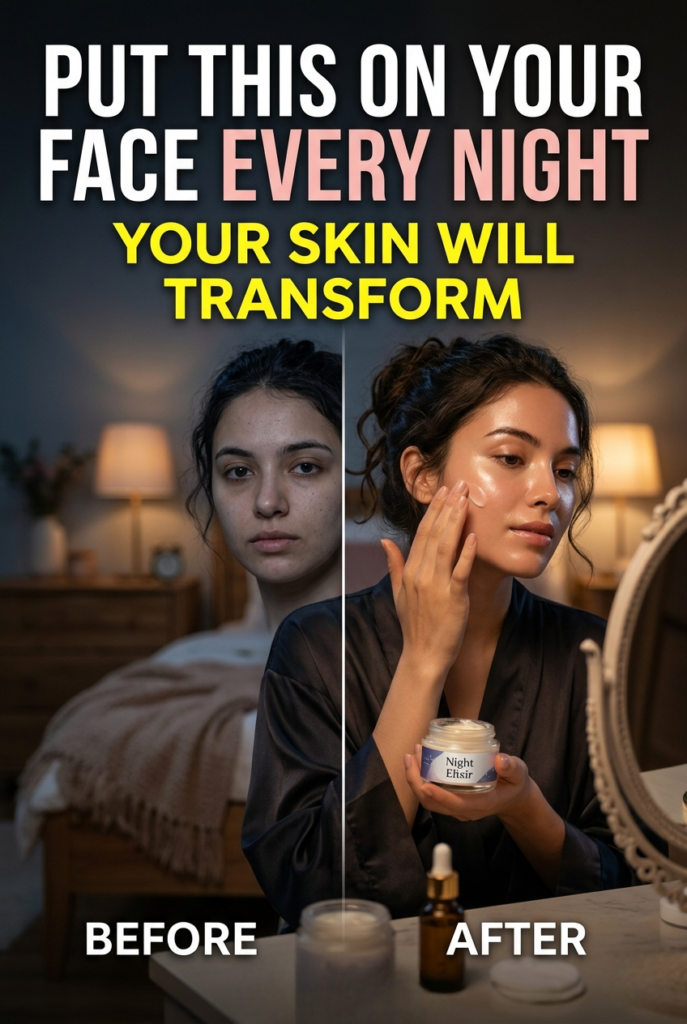
The most powerful skincare treatment available does not come in a luxury bottle with a gold pump. It does not require a dermatologist’s prescription. It is not a 12-step routine or a trending ingredient that costs a fortune. The single most effective thing most people can add to their night routine is something simple, natural, and backed by decades of research — and when applied consistently before bed, it transforms skin in ways that genuinely need to be seen to be believed.
The ingredient is rosehip oil — cold-pressed from the seeds of Rosa canina — and the science behind why it works so powerfully on ageing, dull, scarred, and uneven skin is remarkable. Here is exactly what it does, how to use it, and what you can realistically expect when you make it a nightly habit.
| Science Says: Rosehip oil contains the highest natural concentration of all-trans retinoic acid (vitamin A) of any plant oil — the same active form of vitamin A used in prescription retinoid treatments for ageing and acne. It also contains up to 40% linoleic acid and 35% alpha-linolenic acid — essential fatty acids that the skin cannot produce itself and that are critical for barrier repair and skin cell membrane health. |
What Rosehip Oil Actually Does to Your Skin Overnight
While you sleep, your skin enters its peak repair and regeneration mode — cell turnover accelerates, growth hormones activate tissue repair, and blood flow to the skin increases. Applying rosehip oil before bed delivers its active compounds during this optimal window, when the skin is most receptive and most actively using nutrients. The vitamin A in rosehip oil stimulates fibroblasts — the cells that produce collagen and elastin — resulting in measurably firmer, more elastic skin with consistent use. The essential fatty acids repair the skin barrier overnight, reducing water loss and producing the plump, hydrated appearance that reflects light beautifully.
It Fades Dark Spots and Acne Scars
Rosehip oil contains both vitamin A and vitamin C — two of the most evidence-backed topical brightening agents known. Vitamin A accelerates skin cell turnover, bringing fresh unpigmented cells to the surface faster and pushing the darkened pigmented cells out. Vitamin C inhibits tyrosinase — the enzyme that produces melanin — reducing new pigmentation formation while existing spots fade. A clinical study published in the International Journal of Molecular Sciences confirmed that rosehip oil significantly reduced the appearance of post-surgical scars and hyperpigmentation after 12 weeks of twice-daily application. The same mechanism applies to acne scars and sun damage.
It Reduces Fine Lines Without Irritation
Prescription retinoids are highly effective for reducing fine lines but cause irritation, peeling, and sensitivity in a significant proportion of users. Rosehip oil’s all-trans retinoic acid provides similar collagen-stimulating effects at a concentration that is naturally balanced and tolerated by virtually all skin types — including sensitive skin that cannot use prescription retinoids. Research at the University of Chile found that rosehip oil applied twice daily over eight weeks produced measurable reductions in fine line depth, improved skin tone, and increased skin moisture compared to a control group.
How to Use It for Best Results
The Basic Nightly Application
After cleansing and toning, apply two to three drops of cold-pressed rosehip oil to your fingertips. Gently press and pat the oil into your skin — starting at the cheeks and moving outward and upward. Pay extra attention to areas with fine lines, dark spots, or acne scars. Follow with your regular moisturizer to seal the oil in. The oil absorbs fully within five to ten minutes and leaves no greasy residue by morning.
The Enhanced Night Treatment
For accelerated results, mix two drops of rosehip oil with one drop of vitamin E oil (from a pierced capsule) and apply as above. Vitamin E synergises with rosehip’s vitamin A and C by protecting the active compounds from oxidation as they work overnight, and adds its own collagen-protecting and skin-barrier-repairing properties. This combination is particularly effective for mature skin, significant scarring, or persistent hyperpigmentation.
What to Expect and When
Week 1 to 2: Skin feels more nourished and hydrated by morning. Fine lines appear less pronounced after overnight application.
Week 3 to 4: Overall complexion appears brighter and more even. Fresh skin cell turnover begins to reveal clearer skin underneath.
Week 6 to 8: Dark spots and acne scars visibly lighter. Skin texture noticeably smoother. Fine lines reduced.
Week 10 to 12: Significant improvement in overall skin tone, firmness, and radiance. Results are cumulative and continue improving.
| Pro Tip: Always use cold-pressed, unrefined rosehip oil — this retains the highest concentration of active vitamin A, vitamin C, and essential fatty acids. Refined versions are processed with heat and solvents that destroy most of the beneficial compounds. Store in the refrigerator after opening to prevent oxidation, which degrades the active nutrients quickly. |
Two to three drops. Every night. That is the entirety of this transformation. One of the most clinically supported natural skincare ingredients available, delivered during the skin’s peak repair window, producing results that build steadily over weeks into a genuinely different complexion. Your skin deserves this tonight.