Hormones are chemical messengers that regulate virtually every function in the body — metabolism, mood, sleep, fertility, skin health, weight, energy, and immunity. And while hormones are produced by specific glands and regulated by complex feedback systems, the raw materials they are made from and the nutritional environment in which they function come entirely from what you eat. The right nutrition does not just support hormonal health — for many women it is the most powerful hormonal intervention available short of medication.
These nutrition tips are grounded in endocrinology research and focus specifically on the dietary patterns that most directly support the hormones affecting women’s daily quality of life — oestrogen, progesterone, cortisol, insulin, and thyroid hormones.
| Did You Know? Steroid hormones — including oestrogen, progesterone, testosterone, and cortisol — are all synthesised from cholesterol. Women who follow very low-fat diets, particularly those restricting dietary cholesterol, often develop hormonal insufficiencies as a direct result of insufficient raw material for hormone production. Healthy dietary fat is not optional for hormonal health — it is essential. |
Nutrition Tip 1: Eat Enough Healthy Fat Every Day
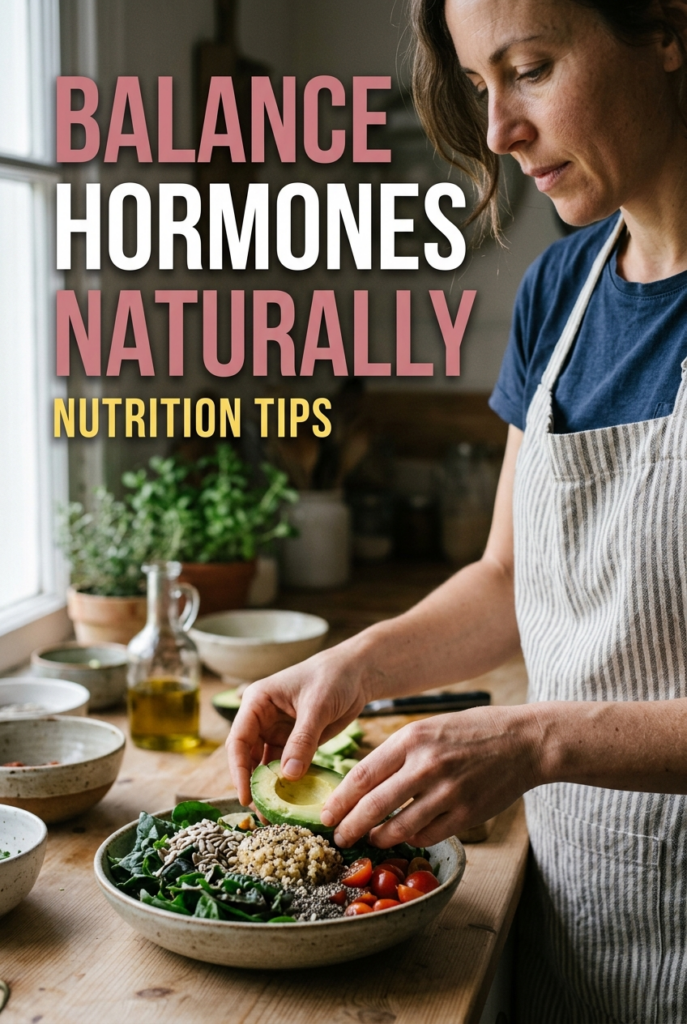
This is the most important and most frequently violated hormonal nutrition principle. Steroid hormones — including all the sex hormones and cortisol — require cholesterol as their structural foundation. Without adequate dietary fat providing cholesterol precursors, hormone production is literally limited by raw material availability. Women who significantly restrict fat intake — particularly saturated and monounsaturated fat — often experience menstrual irregularity, low libido, mood instability, and fatigue as direct consequences of insufficient hormone production. Include healthy fats at every meal: avocados, eggs, oily fish, olive oil, nuts, seeds, and full-fat dairy or coconut products. These are not dietary indulgences — they are hormonal raw materials.
Nutrition Tip 2: Stabilise Blood Sugar at Every Meal
Insulin is the most powerful hormone in the body in terms of its influence on other hormones — and chronically elevated insulin disrupts virtually every other hormonal system. High-glycaemic eating patterns (repeated blood sugar spikes from refined carbohydrates and sugar) drive elevated insulin, which in women increases androgen production, disrupts ovarian function, drives belly fat accumulation, and contributes to the hormonal imbalances behind PCOS, acne, and irregular cycles. The nutritional solution is building every meal around protein and fibre first — which slows glucose absorption and prevents the insulin spikes that set off this cascade. Eat protein with every meal and snack, choose complex carbohydrates, and reduce added sugar as a foundational hormonal nutrition strategy.
Nutrition Tip 3: Eat Cruciferous Vegetables Daily
Broccoli, cauliflower, kale, Brussels sprouts, cabbage, and arugula contain a compound called indole-3-carbinol, which metabolises in the gut to DIM (diindolylmethane). DIM specifically supports the liver’s phase 2 detoxification pathway that converts potentially harmful oestrogen metabolites (16-hydroxyoestrone) into safer forms (2-hydroxyoestrone) for excretion. This targeted support for healthy oestrogen metabolism is the most specific dietary intervention available for oestrogen dominance — the relative hormonal imbalance that drives PMS, fibroids, endometriosis, and hormonal acne in many women. Two servings of cruciferous vegetables daily provides therapeutic DIM levels without supplementation.
Nutrition Tip 4: Support the Liver as a Hormonal Organ
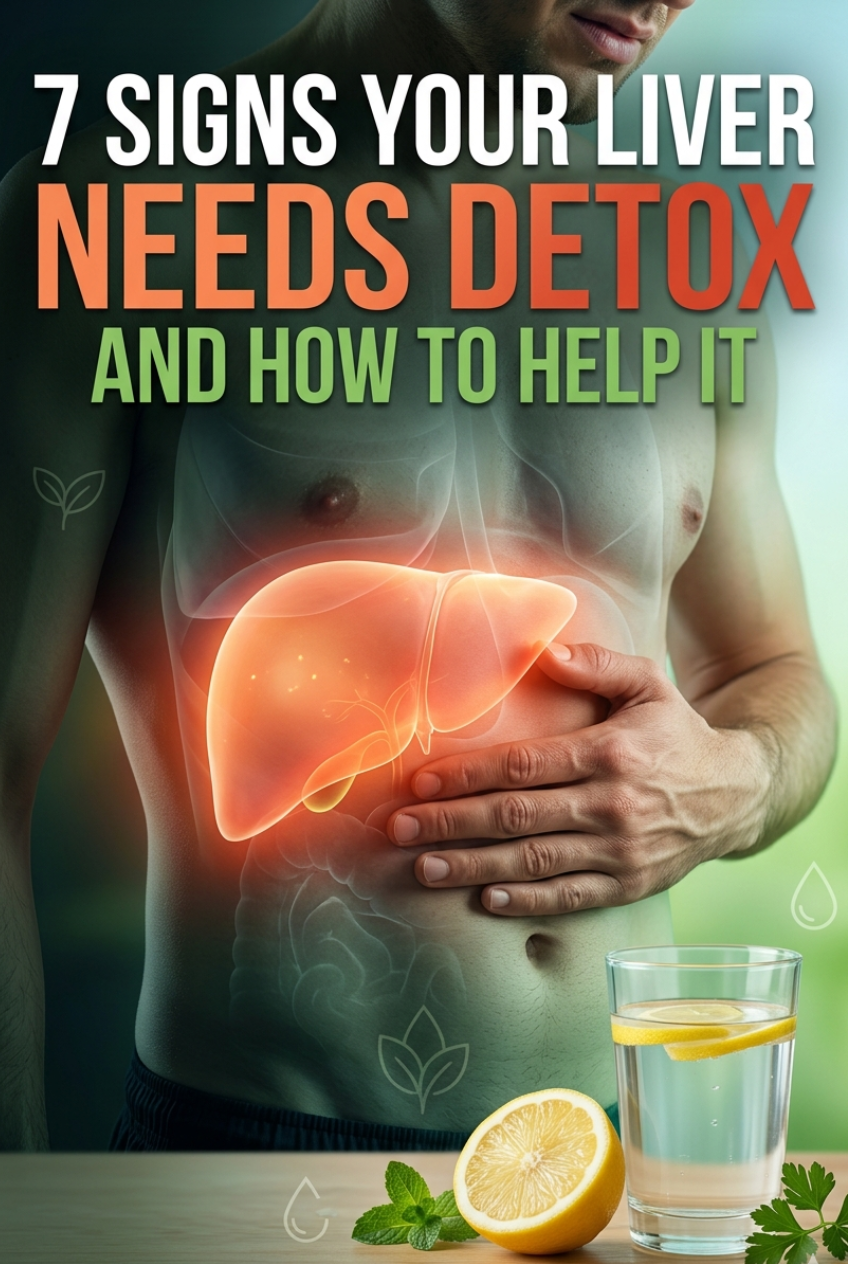
The liver is not just a detoxification organ — it is a primary hormonal organ. It metabolises and clears used hormones, converts T4 thyroid hormone to the more active T3 form, produces the carrier proteins that transport hormones through the bloodstream, and synthesises IGF-1 that regulates growth hormone activity. A congested liver produces congested hormonal clearance — allowing oestrogen, cortisol, and other hormones to recirculate rather than being excreted, amplifying their effects and producing symptoms of excess even when production is normal. Support liver function through daily warm lemon water, reducing alcohol, eating bitter foods (dandelion greens, rocket, artichoke), and ensuring adequate B vitamins and magnesium for the enzymatic processes of liver detoxification.
Nutrition Tip 5: Feed Your Gut for Hormonal Balance
The gut microbiome plays a direct role in hormonal regulation through the oestrobolome — the collection of gut bacteria specifically responsible for metabolising oestrogen. These bacteria produce an enzyme called beta-glucuronidase that determines whether oestrogen is recycled back into circulation or excreted in faeces. An imbalanced microbiome with high beta-glucuronidase activity recirculates more oestrogen, contributing to oestrogen dominance symptoms. Probiotic-rich fermented foods — yogurt, kefir, kimchi, sauerkraut — and prebiotic fibre from vegetables, oats, garlic, and onions support a diverse microbiome that maintains healthy oestrogen excretion patterns.
Nutrition Tip 6: Eat Specific Nutrients for Specific Hormones
For thyroid health: Iodine (seaweed, seafood), selenium (Brazil nuts — just two daily provide the full recommended intake), and zinc (pumpkin seeds, beef) are the three most critical nutrients for thyroid hormone production and conversion.
For progesterone: Vitamin B6 (poultry, bananas, sweet potato), zinc, and magnesium directly support progesterone synthesis and the luteal phase of the menstrual cycle.
For cortisol management: Magnesium (dark leafy greens, dark chocolate, pumpkin seeds) and vitamin C (citrus, bell peppers, kiwi) both reduce cortisol production and adrenal stress response.
For insulin sensitivity: Chromium (broccoli, green beans, whole grains), magnesium, and omega-3 fatty acids all improve cellular insulin sensitivity, reducing the hormonal disruption caused by insulin resistance.
| Pro Tip: Eat regular meals at consistent times every day — not just a balanced diet. Irregular meal timing disrupts the circadian hormone rhythm that governs cortisol, insulin, and even sex hormone production. The body synchronises hormone release with anticipated meal times — unpredictable eating creates hormonal unpredictability. Three well-structured meals at consistent times is as important as what those meals contain. |
Hormonal balance through nutrition is not about following a strict protocol — it is about consistently providing the building blocks, metabolic support, and nutritional environment your hormonal system needs to function optimally. Start with the two most impactful changes: adequate healthy fat at every meal and cruciferous vegetables daily. Build the others in over the following weeks. Most women notice meaningful improvements in energy, skin, mood, and cycle symptoms within one to two months of consistent nutritional hormonal support.