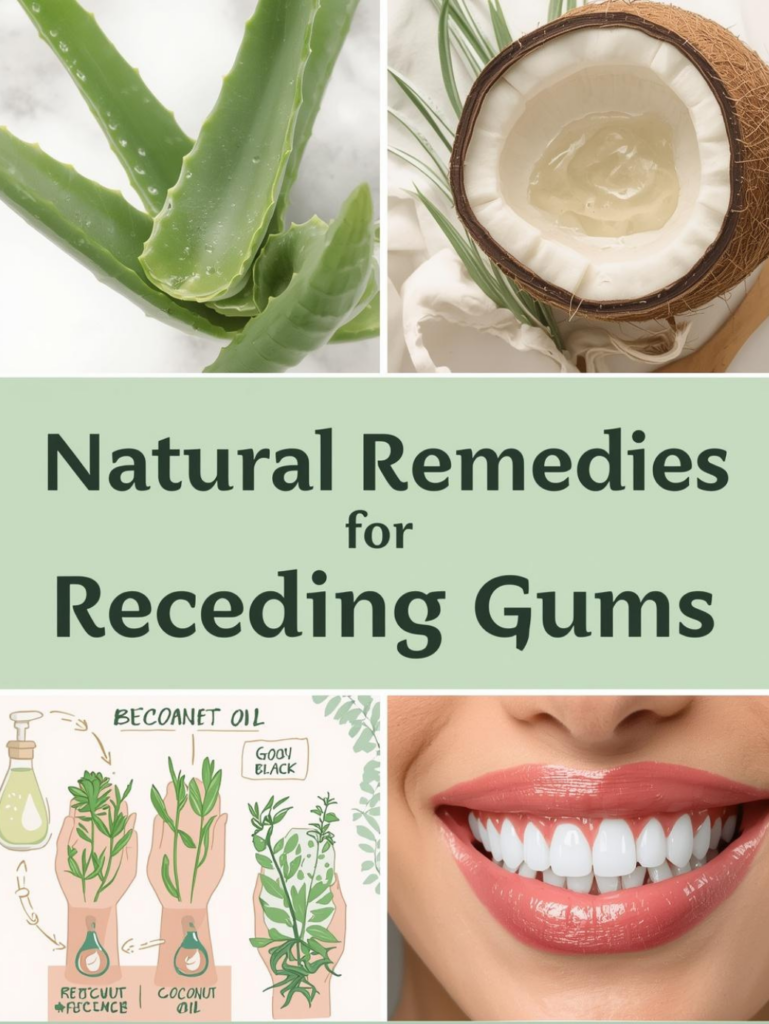
Receding gums are one of the most common and concerning dental problems adults face — and one of the most overlooked until significant damage has already occurred. When gum tissue pulls back and exposes more of the tooth — or even the tooth root — it creates pockets between teeth and the gum line where harmful bacteria can accumulate, leading to tooth sensitivity, bone loss, and eventually tooth loss if left untreated.
The challenge with gum recession is that the tissue does not grow back on its own once it has been lost. What natural remedies can do — and do genuinely well — is stop the progression, reduce the inflammation and bacterial load that drives further recession, soothe sensitivity, and create the conditions for the gum tissue that remains to stabilize and become healthier. Act early, be consistent, and these remedies can make a profound difference.
| Did You Know? According to the Centers for Disease Control, nearly half of adults over 30 in the United States show signs of gum disease — the leading cause of gum recession. The condition is largely preventable and often reversible in its early stages with the right care. The challenge is that gum recession is painless and gradual, so most people do not notice it until it has been progressing for years. |
What Causes Gum Recession?
Understanding the cause of your gum recession is the first step toward choosing the most effective remedies. The most common causes include:
Gum disease (periodontitis): The leading cause. Bacterial infection of the gum tissue progressively destroys the gum and bone structure supporting teeth.
Aggressive brushing: Brushing too hard or with a hard-bristled brush physically wears away gum tissue over time — one of the most preventable causes.
Poor oral hygiene: Insufficient brushing and flossing allows plaque to build up and harden into tartar, which irritates and inflames gum tissue.
Genetics: Some people are predisposed to thinner, more fragile gum tissue regardless of their oral hygiene habits.
Hormonal changes: Pregnancy, menopause, and puberty all affect gum sensitivity and susceptibility to recession.
Teeth grinding (bruxism): The excessive force of grinding puts chronic pressure on gums and supporting bone, accelerating recession.
8 Most Effective Natural Remedies for Receding Gums
- 🫖 Oil Pulling — The Ancient Daily Foundation
Oil pulling is the single most impactful daily natural practice for gum health. Swishing oil through the teeth and gums for 10 to 15 minutes physically removes bacteria, plaque, and toxins from between teeth and below the gum line — areas that brushing and flossing routinely miss. Coconut oil is the best choice due to its lauric acid content, which specifically targets Streptococcus mutans and other bacteria responsible for gum disease and recession. Multiple clinical studies confirm that oil pulling reduces plaque and gingivitis scores significantly within two to four weeks of daily use.
How to Use It
- Take one tablespoon of virgin coconut oil into your mouth first thing in the morning before eating, drinking, or brushing.
- Swish gently through all areas of the mouth — between teeth, along the gum line, under the tongue — for 10 to 15 minutes. The oil will turn thin and milky white as it collects bacteria.
- Spit into a bin — never the sink. Rinse mouth thoroughly with warm water.
- Brush teeth normally afterward.
Frequency: Daily — make it a non-negotiable morning ritual.
Results: Reduced gum inflammation and bleeding within two to three weeks. Measurable improvement in gum health within four to six weeks of consistent daily use.
| Pro Tip: Add one drop of clove essential oil or tea tree oil to your coconut oil before pulling. Both oils have powerful antibacterial properties that specifically target periodontal bacteria, significantly enhancing the effectiveness of the session. |
- 🌵 Aloe Vera Gel — The Tissue Healer
Aloe vera is one of the most researched natural remedies for gum disease and recession. Its bioactive compounds — acemannan, anthraquinones, and salicylic acid — reduce gum inflammation, kill periodontal bacteria, and stimulate the proliferation of fibroblasts — the cells responsible for producing the collagen matrix that gum tissue depends on. A landmark study published in the Journal of Indian Society of Periodontology found that injecting aloe vera gel into periodontal pockets produced results comparable to conventional deep cleaning procedures.
How to use it: Apply pure food-grade aloe vera gel directly onto receding gums using a clean finger or soft toothbrush. Massage gently in small circular motions for two minutes. Leave on without rinsing for at least 30 minutes. Alternatively, use aloe vera gel as a toothpaste replacement for daily brushing — it is gentle, antibacterial, and directly targets gum tissue with every use.
Frequency: Once to twice daily.
Results: Reduced gum bleeding and soreness within one to two weeks. Gradual stabilization of recession with consistent long-term use.
- 🍵 Green Tea — Drink Your Way to Healthier Gums
Green tea is one of the most powerful dietary weapons against gum recession available. Its catechin polyphenols — particularly EGCG — are among the most potent anti-inflammatory and antibacterial compounds in nature. Japanese research involving nearly 1,000 participants found that men who drank green tea regularly had significantly healthier gums than non-drinkers, with measurably less gum bleeding, lower pocket depth, and better attachment levels. The catechins inhibit the bacteria that cause periodontal disease while simultaneously reducing the inflammatory cytokines that drive tissue destruction.
How to use it: Drink two to three cups of unsweetened green tea daily — particularly after meals. For a more direct gum treatment, brew a strong cup, allow it to cool, and use it as a two-minute mouth rinse. Green tea matcha powder mixed with water and applied directly to gums delivers an even more concentrated dose of catechins.
Results: Measurable improvement in gum health markers within four to six weeks of daily consumption.
- 🟡 Turmeric Paste — The Anti-Inflammatory Treatment
Turmeric’s active compound curcumin is one of the most potent natural anti-inflammatory substances known to science — and gum recession is fundamentally an inflammatory disease. Applying turmeric paste directly to the gums reduces the inflammatory cascade that drives tissue breakdown, kills periodontal bacteria, and soothes the soreness and sensitivity that receding gums cause. Clinical studies comparing turmeric gel to conventional scaling found comparable reductions in plaque and gum inflammation scores.
How to use it: Mix half a teaspoon of turmeric powder with enough coconut oil to form a thick paste. Apply directly to gums using a finger or soft toothbrush. Leave for five minutes, then rinse thoroughly. Follow with regular brushing. Use as a gum massage twice per week as part of your oral care routine.
Frequency: Two times per week.
Results: Noticeably less gum soreness and inflammation within two weeks of regular use.
- 🧂 Saltwater Rinse — The Daily Antibacterial Cleanse
A warm saltwater rinse is one of the oldest and most validated natural oral health remedies. Salt creates a hypertonic environment that draws fluid out of swollen gum tissue — reducing puffiness and soreness — while simultaneously killing a broad range of bacteria that contribute to gum recession. It also helps maintain the alkaline pH environment in which periodontal bacteria struggle to survive. Simple, cheap, and effective — it should be part of every gum health routine.
How to use it: Dissolve half a teaspoon of sea salt or Himalayan pink salt in a glass of warm water. Swish thoroughly around the entire mouth for 30 to 60 seconds, paying special attention to swishing along the gum line. Spit out and repeat twice. Use after meals and before bed for best results.
Frequency: Two to three times daily.
| Science Says: Research from the European Journal of Dentistry confirms that saltwater rinses effectively reduce Streptococcus mutans — the primary bacteria responsible for gum disease — by creating an osmotic environment that dehydrates and destroys bacterial cells. Regular use reduces total oral bacterial load significantly within one week. |
- 🌿 Eucalyptus Oil — The Tissue Growth Stimulator
Eucalyptus oil contains 1,8-cineole — a compound shown in peer-reviewed research to stimulate the growth of new gum tissue. A study published in the Journal of Periodontology found that a 0.2% eucalyptus gel applied to the gums significantly increased new tissue attachment and reduced recession depth over a 12-week period compared to controls. It also powerfully inhibits the bacteria that cause periodontal disease and reduces the sensitivity that exposed tooth roots cause.
How to use it: Always dilute eucalyptus essential oil before oral use — mix two drops in one teaspoon of water or carrier oil. Apply to a soft toothbrush and brush gently along the gum line for two minutes. Alternatively, add two drops to warm water and use as a daily mouth rinse. Never swallow eucalyptus oil.
Frequency: Twice daily.
Results: Reduced sensitivity within one week. Measurable gum tissue improvement over six to twelve weeks.
- 🍊 Vitamin C Rich Foods — Rebuild Gum Collagen From Within
Vitamin C deficiency is directly linked to gum recession and periodontal disease — historically known as scurvy, which destroyed gums entirely. Vitamin C is essential for collagen synthesis, which is the primary structural protein of gum tissue. Without adequate vitamin C, the collagen fibers holding gum tissue in place weaken and break down. Increasing your daily vitamin C intake is one of the most powerful nutritional changes you can make for gum health — not topically but from within, supporting the rebuilding of gum tissue at a cellular level.
Best food sources: Bell peppers (highest vitamin C of any food), guava, kiwi, strawberries, citrus fruits, broccoli, and leafy greens. Aim for at least 200mg of vitamin C per day from whole food sources — significantly above the bare minimum RDA.
Supplement option: Liposomal vitamin C supplements offer superior absorption compared to standard ascorbic acid tablets and are particularly effective for gum health when taken daily.
- 🐟 Omega-3 Fatty Acids — The Systemic Inflammation Fighter
Chronic inflammation is the engine driving gum recession — and omega-3 fatty acids are among the most potent natural anti-inflammatory compounds available. Research published in the Journal of the American Dietetic Association found that people with higher omega-3 intake had a 20 to 30% lower risk of periodontitis. Omega-3s reduce the production of inflammatory prostaglandins and cytokines that directly damage gum tissue, creating a systemic anti-inflammatory environment that benefits not just gums but overall oral and cardiovascular health.
Best sources: Fatty fish such as salmon, mackerel, sardines, and herring. Plant sources include flaxseeds, chia seeds, and walnuts. Fish oil supplements providing 1,000 to 2,000mg of EPA and DHA daily are a convenient and well-studied option.
Results: Measurable reduction in gum inflammation markers within four to eight weeks of consistent daily intake.
All 8 Remedies at a Glance
| Remedy | Primary Action | How Often | Best For |
| Oil pulling | Removes bacteria | Daily | All gum types |
| Aloe vera | Heals & reduces inflam. | 1-2x daily | Inflamed gums |
| Green tea | Antioxidant protection | Daily (drink) | Prevention |
| Turmeric paste | Anti-inflammatory | 2x per week | Sore, red gums |
| Saltwater rinse | Antibacterial cleanse | Daily | Mild recession |
| Eucalyptus oil | Stimulates tissue growth | 2x daily | Sensitivity |
| Vitamin C foods | Collagen rebuilding | Daily (diet) | Long-term repair |
| Omega-3 fatty acids | Reduces inflammation | Daily (diet) | All stages |
The Complete Daily Gum Health Routine
The most powerful approach combines several of these remedies into a consistent daily routine:
Morning
- Oil pull with coconut oil for 10 to 15 minutes before anything else
- Brush gently with a soft-bristled toothbrush using very light pressure for two full minutes
- Apply aloe vera gel to gums and leave for 30 minutes while getting ready
- Drink a cup of unsweetened green tea with breakfast
After Meals
- Swish with warm saltwater for 60 seconds to remove food debris and neutralize bacteria
- Floss gently — do not snap floss into gums as this accelerates recession
Evening
- Brush again gently for two minutes with soft bristles
- Apply eucalyptus oil rinse or aloe vera gel directly to gum line
- Apply turmeric paste twice per week as the last step before bed
Daily Diet
- Include one omega-3 rich meal or supplement every day
- Eat at least two vitamin C rich foods daily — bell peppers, kiwi, or strawberries
- Stay well hydrated — dry mouth dramatically worsens gum disease
Habits That Make Gum Recession Worse
Natural remedies work best when you simultaneously eliminate the habits that accelerate recession:
- Brushing too hard — use a feather-light grip and let the bristles do the work
- Using a medium or hard-bristled toothbrush — always use soft or extra soft
- Skipping flossing — the spaces between teeth are where gum disease begins
- Smoking or using tobacco — one of the most powerful accelerators of gum recession known
- Grinding teeth at night without a mouthguard — see a dentist about a custom night guard
- Eating a high-sugar diet that feeds the bacteria driving inflammation
- Dehydration — reduces protective saliva flow that keeps oral bacteria in check
| See a Dentist If: Gum recession is severe — more than 2mm of root exposure visible. You experience significant tooth mobility or shifting. Gums bleed spontaneously without brushing. You have persistent bad breath alongside gum recession. There is significant pain, swelling, or pus at the gum line. In advanced cases, natural remedies are supportive only — professional scaling, root planing, or gum grafting surgery may be necessary to restore what has been lost. |
The Bottom Line
Receding gums are a serious condition — but they are not a death sentence for your teeth. Caught early and managed consistently, natural remedies combined with improved daily oral hygiene can stop recession in its tracks, reduce inflammation, soothe sensitivity, and give your gum tissue the best possible environment to stabilize and recover.
Start with oil pulling and saltwater rinsing today — they cost almost nothing and deliver results within weeks. Add aloe vera gel, green tea, and the dietary changes over the following week. Build the complete routine and commit to it for at least eight weeks before evaluating your progress.
Your gums are the foundation of your smile and the gateway to your overall health. They deserve — and will respond to — the care you give them.