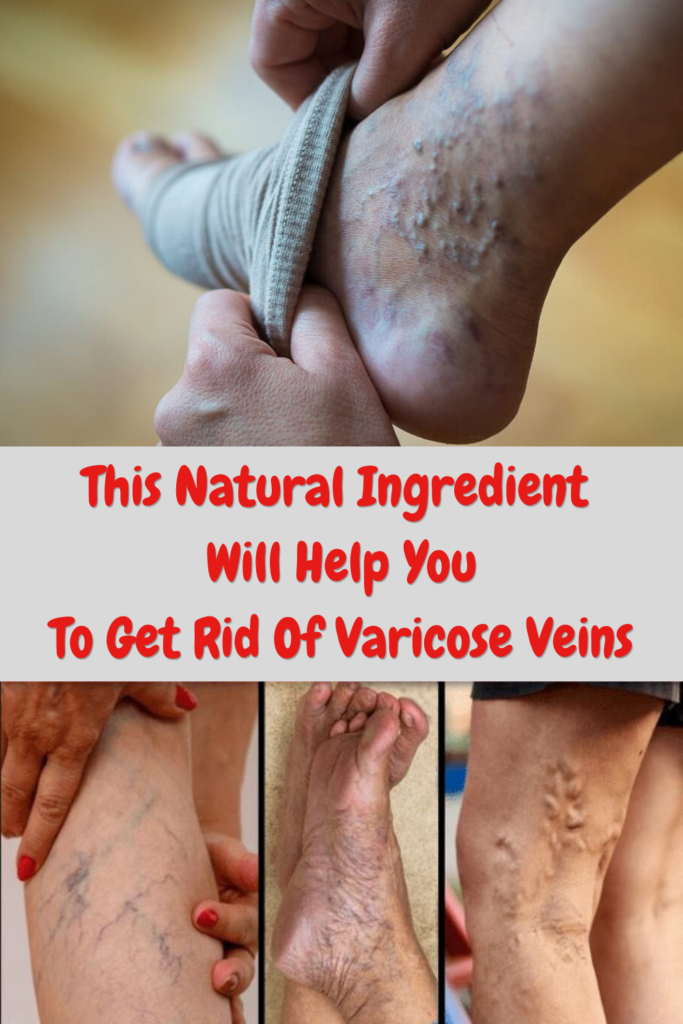
Varicose veins — those dark, twisted, rope-like veins that bulge beneath the skin of the legs — affect an estimated 23% of adults worldwide. For many people, they are not just a cosmetic concern. Varicose veins can cause persistent aching, heaviness, swelling, and fatigue in the legs that makes everyday life genuinely uncomfortable.
Medical treatments exist — from compression stockings to laser therapy and surgical stripping — but they are expensive, invasive, and not always accessible. What most people do not realize is that nature provides a powerful toolkit of ingredients that strengthen vein walls, improve circulation, reduce inflammation, and visibly diminish the appearance of varicose veins over time. Here is what you need to know.
Why Varicose Veins Form
To understand how natural remedies work, it helps to understand the problem. Veins contain one-way valves that push blood upward toward the heart against gravity. When these valves weaken or become damaged, blood pools in the vein rather than moving forward. The accumulated pressure causes the vein to stretch, bulge, and become visible through the skin.
Key risk factors include prolonged standing or sitting, pregnancy, obesity, genetic predisposition, hormonal changes, and age. Women are significantly more affected than men — up to three times more likely to develop varicose veins due to the effects of estrogen on vein wall elasticity.
| Science Says: Research published in the International Angiology Journal confirms that plant-based compounds called bioflavonoids — found abundantly in horse chestnut, grape seeds, and citrus fruits — measurably strengthen capillary and vein walls, reduce vascular permeability, and improve blood flow in people with chronic venous insufficiency. |
7 Natural Ingredients That Fight Varicose Veins
- 🍎 Apple Cider Vinegar — The #1 Home Remedy
Apple cider vinegar is the most widely used and praised natural remedy for varicose veins — and for genuinely good reason. Its acetic acid improves blood circulation, reduces inflammation in the vein walls, and when used topically, helps reduce the swelling and discomfort associated with varicose veins. Many people report a visible reduction in the prominence of their varicose veins after several weeks of consistent daily use.
How to Use It
- Pour undiluted raw apple cider vinegar onto a clean cloth or cotton ball.
- Place directly over the varicose veins and wrap gently with a bandage or hold in place.
- Leave for 20 to 30 minutes while lying with your legs elevated.
- Remove and massage the area gently in upward circular strokes toward the heart.
- Repeat twice daily — morning and evening — for best results.
Alternative method: Mix two teaspoons of ACV in a glass of warm water and drink once daily. Internal use complements topical application significantly.
Results: Reduced swelling and discomfort within two weeks. Visible improvement in vein appearance over six to eight weeks of consistent use.
- 🌰 Horse Chestnut — The Most Researched Natural Vein Treatment
Horse chestnut seed extract is arguably the most scientifically validated natural treatment for varicose veins and chronic venous insufficiency. Its active compound — aescin — has been shown in multiple clinical trials to strengthen and tone vein walls, reduce vascular permeability that causes leakage and swelling, and significantly improve blood flow through damaged veins. A landmark review of 17 clinical trials published in the Cochrane Database concluded that horse chestnut extract is as effective as compression stockings for reducing leg swelling from venous insufficiency.
How to use it: Horse chestnut is available as a topical cream or gel to apply directly to affected veins, or as an oral supplement (standardized to 50mg aescin). Both forms have demonstrated effectiveness in clinical research. Apply cream twice daily with gentle upward massage, or take the supplement as directed on the label.
Results: Measurable reduction in leg swelling and discomfort within four weeks. Visible vein improvement over eight to twelve weeks
- 🌿 Witch Hazel — The Vein-Tightening Astringent
Witch hazel has been used medicinally for centuries and contains powerful tannins and flavonoids that tighten and tone blood vessel walls, reduce inflammation, and relieve the aching and heaviness that varicose veins cause. As a topical treatment, it temporarily contracts dilated veins and reduces the pooling of blood that makes them so visible. It is one of the gentlest and most accessible natural vein treatments available.
How to use it: Soak a cotton ball in pure witch hazel extract — not the alcohol-based version, which is too drying — and apply directly to varicose veins. Leave for 20 minutes. Alternatively, add half a cup of witch hazel to a warm foot bath and soak legs for 15 minutes. Use twice daily for consistent results.
Results: Immediate reduction in inflammation and discomfort. Visible improvement in vein appearance within four to six weeks.
| Pro Tip: For maximum effectiveness, apply witch hazel while lying down with your legs elevated above your heart on pillows. This position reduces the blood pressure inside the veins, allowing witch hazel’s tightening compounds to work on less distended vessel walls. |
- 🌶️ Cayenne Pepper — The Circulation Supercharger
Cayenne pepper’s active compound — capsaicin — is one of the most powerful natural circulatory stimulants known. It increases blood flow dramatically, reduces blood viscosity so blood moves more easily through weakened veins, eases the pain and aching associated with varicose veins, and helps prevent the clotting and pooling that makes them worse over time. Both internal consumption and topical application have demonstrated benefit.
How to use it: Mix one teaspoon of cayenne pepper powder into a cup of hot water and drink once daily. For topical use, mix a tiny pinch of cayenne with coconut oil and massage gently into affected veins in long upward strokes. The warming sensation indicates increased circulation to the area.
Frequency: Daily oral use and twice-daily topical massage.
- 🍇 Grape Seed Extract — The Vein Wall Protector
Grape seed extract is extraordinarily rich in oligomeric proanthocyanidins — OPCs — which are among the most potent vascular-strengthening compounds found in nature. Clinical research shows that OPCs directly strengthen the collagen structure of vein walls, reduce the permeability that causes fluid leakage and swelling, and improve the elasticity of vein tissue. Regular supplementation has been shown to measurably reduce leg edema and the discomfort of chronic venous insufficiency.
How to use it: Take grape seed extract as a daily oral supplement — look for products standardized to 95% OPC content, typically 100 to 300mg per day. It is also available as a topical oil that can be massaged into affected areas twice daily. Eating fresh grapes and drinking small amounts of red wine also provides OPCs, though in lower concentrations than supplement form.
- 🫔 Olive Oil and Vitamin E Massage Blend
Massage itself is one of the most effective non-invasive treatments for varicose veins — it manually assists blood flow through weakened veins and reduces the pooling that causes bulging and discomfort. When combined with olive oil’s anti-inflammatory oleocanthal and vitamin E’s powerful ability to protect vein walls from oxidative damage, regular massage with this blend becomes a genuinely therapeutic daily practice.
How to Make the Blend
- Mix two tablespoons of extra virgin olive oil with the contents of two vitamin E capsules.
- Warm the blend slightly between your palms before applying.
- Massage into varicose veins using firm but gentle upward strokes — always massaging toward the heart, never downward.
- Continue for five to ten minutes per leg, twice daily.
Results: Reduced aching and heaviness within one week. Gradual visible improvement with consistent daily massage over six weeks.
- 🫖 Ginger — The Fibrin Dissolver
This is perhaps the most surprising entry on this list. Varicose veins worsen partly because of fibrin — a protein that accumulates around damaged veins and makes them harder and more visible. Ginger contains compounds that stimulate fibrinolysis — the body’s natural process of dissolving fibrin deposits — which can gradually soften and reduce the hardened appearance of varicose veins over time. Ginger also powerfully improves circulation and reduces the inflammation that contributes to vein damage.
How to use it: Drink two to three cups of fresh ginger tea daily — slice fresh ginger root, steep in boiling water for 10 minutes, and add raw honey. For topical use, apply ginger essential oil diluted in a carrier oil and massage upward along affected veins twice daily
All 7 Natural Remedies at a Glance
| Ingredient | Key Action | Best Application Method |
| Apple cider vinegar | Improves circulation | Massage twice daily |
| Horse chestnut | Strengthens vein walls | Cream or supplement |
| Witch hazel | Tightens & anti-inflam. | Apply with cotton 2x daily |
| Cayenne pepper | Boosts blood flow | Oral in warm water, or cream |
| Grape seed extract | Protects vein walls | Oral supplement or topical |
| Olive oil + vitamin E | Reduces inflammation | Massage blend twice daily |
| Ginger | Dissolves fibrin buildup | Tea daily + topical massage |
Lifestyle Changes That Make Every Remedy More Effective
Natural remedies work best when supported by daily habits that take pressure off weakened veins:
- Elevate your legs above heart level for 15 to 20 minutes every evening — this is the single most effective daily practice for varicose vein relief
- Walk for at least 30 minutes every day — walking activates the calf muscles which act as a pump pushing blood upward through leg veins
- Avoid sitting or standing in one position for more than 30 minutes without moving
- Wear compression stockings during long periods of standing or travel — they provide external support to weakened vein walls
- Maintain a healthy weight — excess body weight significantly increases pressure on leg veins
- Avoid crossing your legs when sitting — this restricts blood flow through the veins
- Eat a high-fiber, low-sodium diet rich in flavonoids from berries, citrus, and dark leafy greens
| See a Doctor If: The varicose vein is very painful, hot to the touch, red, or hard — this may indicate thrombophlebitis, a blood clot in the vein. You experience sudden swelling of the entire leg. A varicose vein bleeds spontaneously or after a minor injury. You develop an open sore or ulcer near the ankle area. In all these situations, seek immediate medical attention. Natural remedies are supportive treatments — they cannot treat blood clots or advanced venous disease. |
The Bottom Line
Varicose veins are not something you simply have to live with. While advanced cases may ultimately require medical intervention, a large proportion of people achieve significant improvement in both appearance and discomfort through consistent use of natural remedies combined with supportive lifestyle habits.
Start with apple cider vinegar topical application and daily leg elevation tonight. Add horse chestnut cream and a ginger tea habit this week. Build in a daily five-minute massage with the olive oil and vitamin E blend. Give it eight weeks of genuine consistency — and document your progress with photos every two weeks.
Your legs deserve to feel as good as they look. Nature has given you the tools to help them get there.
Disclaimer: This article is for informational purposes only and does not constitute medical advice. Varicose veins can be associated with serious underlying venous disease. Always consult a qualified healthcare professional or vascular specialist before beginning any treatment, particularly if you experience pain, swelling, skin changes, or have a history of blood clots.