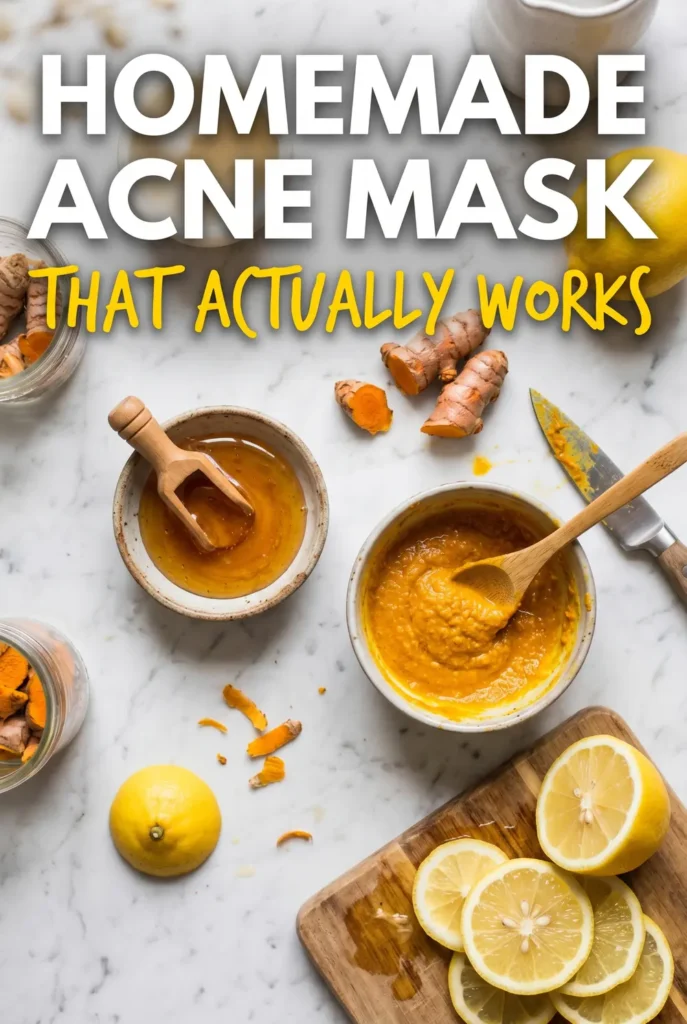
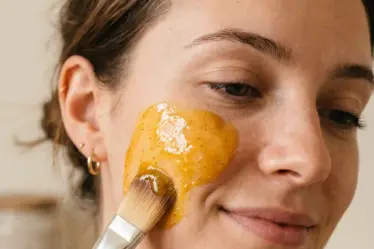
The homemade face mask market is flooded with recipes that promise clear skin through a single application of avocado or cucumber — and while these ingredients have genuine skincare benefits, they are not acne treatments. A homemade face mask that actually works for acne needs to contain ingredients with documented activity against the specific biological mechanisms that create and sustain breakouts: excess sebum production, bacterial colonisation inside blocked pores, and the inflammatory response that turns a clogged pore into a red, painful spot. The recipes in this guide are built on these mechanisms — not on wishful thinking about favourite kitchen ingredients.
Each recipe uses ingredients with specific, researched activity against acne pathways. Combined with consistent twice-weekly use and the right application technique, they produce genuine improvements in breakout frequency, spot healing speed, and the post-acne dark marks that persist after individual spots resolve.
| Science Says: Research comparing the antibacterial activity of raw honey against Staphylococcus epidermidis and Cutibacterium acnes — the two primary bacteria involved in acne — found that raw honey produced complete inhibition of both species at therapeutic concentrations. The mechanism involves hydrogen peroxide, defensin-1 antimicrobial peptides, and the acidity of raw honey’s gluconic acid, which together kill acne bacteria without the antibiotic resistance concerns associated with topical antibiotics. |
Recipe 1 — Honey and Tea Tree Clear Skin Mask
Ingredients: Two tablespoons raw honey, three drops tea tree essential oil, one teaspoon aloe vera gel.
Method: Mix all ingredients thoroughly. Apply to clean skin and leave for 15 to 20 minutes. Rinse with lukewarm water. Use twice weekly.
This is the most directly antibacterial recipe in the collection. Raw honey’s hydrogen peroxide and defensin-1 peptides kill acne bacteria broadly across the skin surface. Tea tree oil’s terpinen-4-ol targets Cutibacterium acnes specifically — with clinical evidence for comparable effectiveness to 5% benzoyl peroxide at sufficient concentration. Aloe vera provides the anti-inflammatory aloesin compound and a non-comedogenic hydrating base that soothes inflammation without clogging pores. The immediate result after rinsing is calmer, less inflamed skin. With twice-weekly use over four to six weeks, breakout frequency reduces and existing spots heal faster.
Recipe 2 — Clay and Apple Cider Vinegar Deep Pore Mask
Ingredients: One tablespoon bentonite or kaolin clay, one tablespoon apple cider vinegar (diluted 1:1 with water for sensitive skin), two drops tea tree oil.
Method: Mix to a smooth paste. Apply to clean skin for 10 to 12 minutes — until just before completely dry. Rinse thoroughly with warm water. Use once weekly.
This recipe targets the physical sebum-and-dead-cell plugs that create the blackheads and congested pores that acne bacteria colonise. Bentonite clay adsorbs — physically binds to — sebum, dead cells, and bacteria from the pore surface through an ionic attraction mechanism, drawing them to the surface as the clay dries. Apple cider vinegar’s acetic acid gently exfoliates the pore lining chemically, dissolving the accumulation inside the pore before it oxidises into a blackhead. This is the most effective recipe in the collection for congested, blackhead-prone oily skin — using it weekly alongside Recipe 1 twice weekly addresses both the physical blockage and the bacterial infection.
Recipe 3 — Turmeric and Yogurt Brightening Acne Mask
Ingredients: Half a teaspoon turmeric powder, two tablespoons plain yogurt, one teaspoon raw honey.
Method: Mix all ingredients and apply to clean skin for 15 minutes. Rinse thoroughly — turmeric temporarily stains fair skin if not fully rinsed.
This recipe addresses the post-acne component of acne skin — the dark marks that remain after individual spots resolve. Turmeric’s curcumin inhibits tyrosinase (the melanin-producing enzyme), directly reducing the post-inflammatory hyperpigmentation that makes cleared acne skin appear uneven. Yogurt’s lactic acid gently exfoliates the surface layer of pigmented cells, accelerating their removal. Honey adds antimicrobial action against any remaining bacteria in resolving spots. This recipe is most effective used consistently twice weekly on skin where active spots are resolving — addressing the dark marks before they fully establish rather than trying to fade them after they have set.
Recipe 4 — Oatmeal and Honey Soothing Acne Mask
Ingredients: Two tablespoons finely ground oats, one tablespoon raw honey, one tablespoon plain yogurt, one teaspoon aloe vera gel.
Method: Mix all ingredients to a paste and apply to clean skin for 20 minutes. Rinse gently with lukewarm water.
For skin experiencing an active flare with multiple inflamed spots — where more stimulating ingredients would cause additional irritation — this gentle recipe provides antibacterial honey action alongside oats’ remarkable anti-inflammatory beta-glucan and avenanthramide compounds. Clinical research confirms that colloidal oatmeal reduces skin inflammation, relieves itching, and supports barrier repair in compromised skin. This mask is safe to use during active flares, on sensitive skin, and on skin that has become irritated from overuse of stronger acne treatments. It calms rather than treats — providing the skin rest that allows barrier recovery alongside honey’s continuous antimicrobial action.
Application Tips for Best Results
- Always apply to clean skin — masks cannot penetrate effectively through makeup, sunscreen, or daily sebum buildup
- Steam your face for five minutes before applying any mask — open pores significantly improve the penetration of active ingredients into the pore lining where acne bacteria reside
- Never apply clay or turmeric masks to active open spots or broken skin — concentrate them on the T-zone and congested areas
- Rinse with lukewarm water and pat dry — never rub, which spreads bacteria across the face and irritates inflamed skin
- Apply SPF the following morning after any turmeric or ACV-containing mask — both mildly increase UV sensitivity
- Give any new mask routine six full weeks before assessing — skin cell turnover takes 28 to 45 days and acne improvements are cumulative
| Pro Tip: Create a weekly mask schedule rather than using all recipes randomly: Recipe 2 (clay and ACV) on Sunday for deep pore cleaning, Recipe 1 (honey and tea tree) on Wednesday for antibacterial treatment, and Recipe 3 (turmeric and yogurt) on Friday for post-acne brightening. This rotating schedule addresses all three aspects of acne management — physical congestion, bacterial infection, and post-inflammatory pigmentation — without overloading the skin with multiple actives in the same session. |
Homemade face masks for acne work when they are built on ingredients with genuine documented activity against the biological mechanisms of acne — not on pleasant-smelling kitchen staples without acne-specific action. These four recipes cover every stage of the acne cycle: the bacterial infection, the pore congestion, the active inflammation, and the post-acne dark marks. Used consistently on a structured weekly schedule, they produce genuine, progressive improvements in skin clarity that accumulate into a noticeably clearer complexion over six to eight weeks.