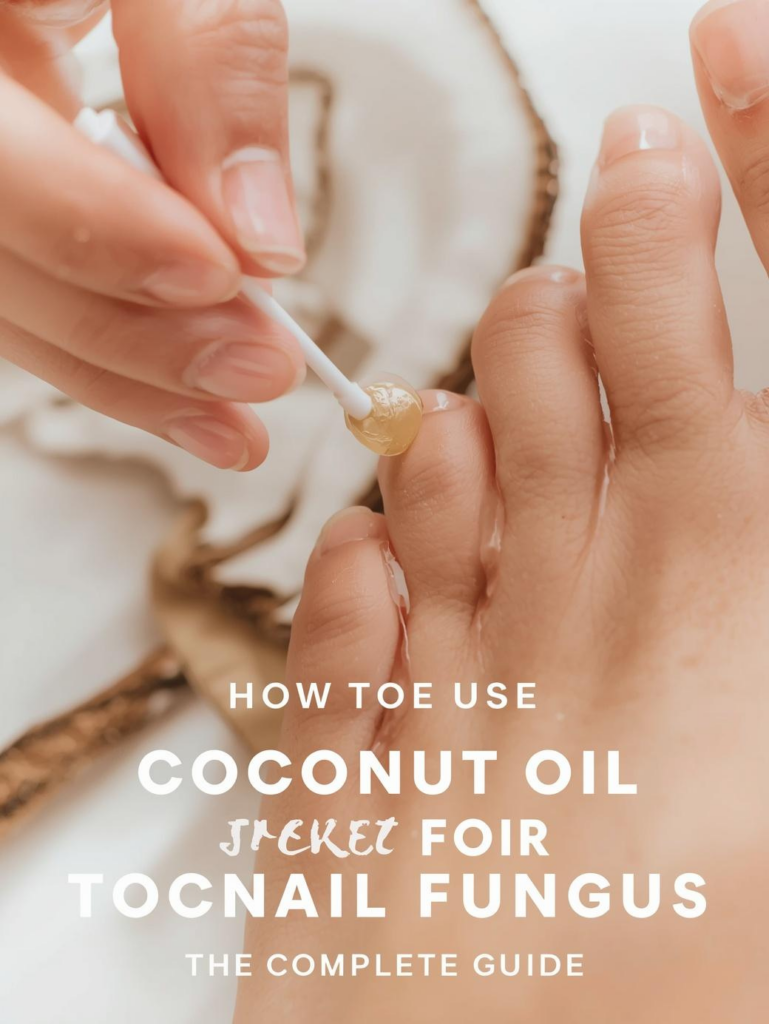
Toenail fungus — medically known as onychomycosis — is more common than most people like to admit. It affects millions of people worldwide, causing nails to become thick, discolored, brittle, and sometimes painful. While prescription antifungal treatments exist, they often come with side effects and a significant price tag.
Enter coconut oil: a natural, affordable, and surprisingly powerful remedy that has been used for centuries in traditional medicine. Rich in antifungal fatty acids, coconut oil attacks the very cell membranes of fungal organisms — and modern research is beginning to support what natural health practitioners have long known.
In this complete guide, you will learn exactly why coconut oil works against toenail fungus, how to use it correctly, which combinations make it even more effective, and what realistic results to expect.
Understanding Toenail Fungus
Before jumping into treatment, it helps to understand what you are dealing with. Toenail fungus is caused by dermatophytes — microscopic fungi that thrive in warm, moist environments. These organisms feed on keratin, the protein that makes up your nails, gradually destroying nail tissue from the inside out.
Common signs of toenail fungus include:
- Yellow, brown, or white discoloration of the nail
- Thickened or brittle nails that are difficult to trim
- Nails that crumble or break easily at the edges
- A slightly foul odor coming from the affected nail
- Nail separating from the nail bed in advanced cases
- Distorted nail shape
The most common causes include walking barefoot in public areas like gym showers and swimming pools, wearing tight or non-breathable footwear, excessive sweating, minor nail injuries, and a weakened immune system.
Why Coconut Oil Works Against Toenail Fungus
Coconut oil is not just a kitchen staple — it is a genuinely potent antifungal agent. Its effectiveness comes from its unique fatty acid composition, particularly three key compounds:
Caprylic Acid (C8): This medium-chain fatty acid penetrates the cell membranes of fungal organisms and disrupts their structure, effectively killing them. It is considered one of the most potent natural antifungal agents known.
Lauric Acid (C12): Making up approximately 50% of coconut oil, lauric acid converts in the body to monolaurin — a compound with powerful antimicrobial and antifungal properties. Studies have shown it is effective against a range of fungal strains including Candida.
Capric Acid (C10): Another medium-chain fatty acid with antifungal properties that works synergistically with caprylic and lauric acid to create a hostile environment for fungal growth.
| Research Note: A study published in the Journal of Medicinal Food found that coconut oil demonstrated antifungal activity against Candida species at 100% effectiveness, outperforming commonly used antifungal medications in laboratory conditions. While toenail fungus involves different fungal strains, the mechanism of action is similar. |
What You Need Before You Start
Gather these items before beginning your coconut oil treatment:
- 100% pure, organic virgin coconut oil (unrefined is best — it retains the most beneficial fatty acids)
- A nail file or emery board
- Nail clippers
- A pumice stone or nail buffer
- Cotton balls or cotton swabs
- Clean socks — preferably cotton or moisture-wicking
- Optional: essential oils for enhanced effectiveness (tea tree, oregano, or lavender)
| Pro Tip: Always choose unrefined virgin coconut oil over refined varieties. Refined coconut oil undergoes processing that can reduce its antifungal fatty acid content. Look for oil that is solid at room temperature and has a mild coconut scent. |
Method 1: Basic Coconut Oil Application (Step-by-Step)
This is the foundational method. Follow these steps carefully for best results:
- Wash and dry your feet thoroughly. Clean feet and nails are essential — applying coconut oil to dirty nails traps bacteria and reduces effectiveness.
- Trim the affected nail as short as safely possible. Use clean, sterilized nail clippers. Shorter nails allow the coconut oil to penetrate closer to the infection source.
- Gently file the surface of the nail. Use a nail file to thin the top layer of the nail. This increases absorption and allows the antifungal fatty acids to penetrate more deeply.
- Apply a generous amount of coconut oil to the affected nail and surrounding skin. Use your fingertip or a cotton ball to work it under the nail edge as much as possible.
- Massage gently for 2-3 minutes. This encourages absorption and improves circulation to the area, which supports healing.
- Leave on without rinsing. Put on clean cotton socks to protect bedding if applying before sleep.
- Repeat 2-3 times daily. Consistency is the most critical factor in success. Skipping applications significantly reduces effectiveness.
Method 2: Coconut Oil + Tea Tree Oil (The Power Combination)
Tea tree oil is arguably the most well-researched natural antifungal essential oil available. When combined with coconut oil, their antifungal properties are amplified significantly — and the coconut oil acts as a safe carrier that prevents the tea tree oil from irritating skin.
How to make it: Mix 2 tablespoons of coconut oil with 4-5 drops of pure tea tree oil in a small clean container. Stir well to combine. Apply to the affected nail twice daily using a cotton swab, working the mixture under the nail edge.
| Pro Tip: Tea tree oil must always be diluted before applying to skin or nails. Never apply it undiluted — it can cause chemical burns and skin irritation. The coconut oil base in this recipe provides perfect dilution at a safe concentration. |
Method 3: Coconut Oil + Baking Soda Paste
Baking soda is alkaline, which creates an environment that fungus cannot tolerate. While it does not kill fungus directly, it inhibits its growth and spread — making this combination particularly effective for more stubborn or advanced infections.
How to make it: Mix 1 tablespoon of coconut oil with 1 teaspoon of baking soda to form a paste. Apply to the nail and surrounding skin, leave for 15-20 minutes, then rinse thoroughly. Dry completely and apply a follow-up layer of plain coconut oil. Do this once daily.
Method 4: Coconut Oil + Garlic
Garlic contains allicin — a sulfur compound with potent antimicrobial and antifungal properties. This old-fashioned remedy is surprisingly effective, though the smell is something to consider.
How to make it: Crush 2-3 fresh garlic cloves and mix with 2 tablespoons of coconut oil. Let the mixture sit for 30 minutes to allow the allicin to infuse into the oil, then apply to the affected nail. Leave for 20-30 minutes before rinsing. Use once daily.
Method 5: Coconut Oil Foot Soak
For widespread fungal infections or particularly thickened nails, a regular foot soak supercharges the treatment by softening the nail and allowing deeper penetration.
How to do it: Fill a basin with warm (not hot) water and add 3-4 tablespoons of coconut oil. Soak your feet for 15-20 minutes. Pat completely dry afterward — moisture is the enemy of antifungal treatment. Apply additional coconut oil directly to nails after drying. Do this 3 times per week.
Treatment Methods at a Glance
| Method | How Often | Best For | Time to See Results |
| Pure coconut oil | 2-3x daily | Mild cases | 4-8 weeks |
| Coconut oil + tea tree | 2x daily | Moderate fungus | 3-6 weeks |
| Coconut oil + baking soda | Once daily | Thick nails | 6-10 weeks |
| Coconut oil + garlic | Once daily | Stubborn fungus | 4-8 weeks |
| Coconut oil soak | 3x weekly | All types | 6-12 weeks |
Tips to Maximize Your Results
Coconut oil treatment works — but only if you pair it with good nail hygiene practices. Here is what to do alongside your treatment:
- Keep nails trimmed short and filed regularly throughout treatment
- Change socks daily and wash them at high temperature to kill any fungal spores
- Wear moisture-wicking or natural fiber socks rather than synthetic materials
- Allow your feet to breathe by going barefoot at home when possible
- Rotate your shoes and use antifungal powder inside them
- Never walk barefoot in public showers, locker rooms, or pool areas
- Disinfect nail clippers and files with rubbing alcohol after every use
- Keep the affected nail dry between applications — pat thoroughly after bathing
What Results to Realistically Expect
Patience is essential with natural toenail fungus treatments. Toenails grow slowly — roughly 1.5mm per month — so you will not see dramatic overnight results. Here is a realistic timeline:
Weeks 1-2: Reduced itching and discomfort around the nail. The surrounding skin may look healthier first.
Weeks 3-6: The nail may begin to look slightly clearer at the base where new nail growth is occurring.
Weeks 6-12: Visible healthy nail growth progressing from the base. The infected portion moves toward the tip as it grows out.
Months 3-6: Significant improvement visible in mild to moderate cases. The infected nail portion should have mostly grown out.
Months 6-12: Full nail replacement in severe cases. A completely healthy nail may take up to 12-18 months to fully grow in.
| Important: Photograph your nail every two weeks under the same lighting. Progress is gradual and easy to miss day-to-day. Photos make it clear that the treatment is working and help you stay motivated through the process. |
When to See a Doctor
Coconut oil is highly effective for mild to moderate toenail fungus. However, you should consult a healthcare professional or dermatologist if:
- The infection has spread to multiple nails or to the skin
- You have diabetes, a circulation disorder, or a compromised immune system
- The nail is causing significant pain or has fully separated from the nail bed
- There is no improvement after 3 months of consistent daily treatment
- The nail is severely thickened, distorted, or crumbling badly
- You notice signs of bacterial infection such as redness, swelling, or discharge
A doctor can prescribe oral antifungal medications such as terbinafine or itraconazole for severe cases. These are significantly more powerful but do carry potential side effects, which is why many people prefer to try natural options first for mild infections.
Final Thoughts
Coconut oil is a safe, natural, affordable, and genuinely effective first-line treatment for mild to moderate toenail fungus. Its unique blend of medium-chain fatty acids attacks fungal cell membranes directly, while its skin-nourishing properties support healthy nail regrowth at the same time.
The key to success is absolute consistency. Apply it daily without fail, pair it with good foot hygiene, and give the treatment the time it needs to work. Toenail fungus did not appear overnight — and it will not disappear overnight either.
Start today, stay consistent, and give your nails the natural treatment they deserve.