Sinus congestion, post-nasal drip, sneezing, itchy eyes, and the heavy-headed foggy feeling of a full sinus block are among the most common and most debilitating everyday health complaints. Whether caused by seasonal allergies, dust or pet sensitivities, chronic sinusitis, or a cold, these symptoms affect millions of people daily and can significantly impact quality of life, sleep, concentration, and energy. While pharmaceutical antihistamines and decongestants provide relief, many people prefer to manage milder symptoms naturally — particularly for ongoing or seasonal conditions where long-term medication use raises concerns.
These evidence-based natural remedies provide genuine fast relief for sinus and allergy symptoms, address the underlying inflammation and histamine response where possible, and are safe enough for regular use without the drowsiness, dryness, or dependency concerns of some pharmaceutical options.
| Did You Know? The sinuses are air-filled cavities in the bones of the face and skull, lined with mucous membranes that produce mucus to trap pathogens, allergens, and particles. When these membranes become inflamed — from infection, allergens, or irritants — they swell and produce excess mucus, blocking the small openings through which sinuses drain. It is this blockage and pressure that produces the headache, heaviness, and congestion of sinusitis. |
Remedy 1: Saline Nasal Rinse — Most Effective First Line Treatment
A saline nasal rinse — saltwater flushed through the nasal passages using a neti pot or saline spray — is the most evidence-backed natural sinus remedy available and is recommended by ENT specialists worldwide as a first-line intervention for both acute sinusitis and chronic allergy symptoms. It physically removes allergens, excess mucus, and inflammatory compounds from the nasal passages, reducing both the trigger load and the inflammatory response simultaneously. For a simple home solution: dissolve half a teaspoon of non-iodised salt and a pinch of baking soda in a cup of previously boiled (then cooled to lukewarm) distilled or filtered water. Use a neti pot or a clean squeeze bottle to flush each nostril. Use once or twice daily during high-symptom periods. Results are immediate and consistent.
Remedy 2: Steam Inhalation With Eucalyptus Oil
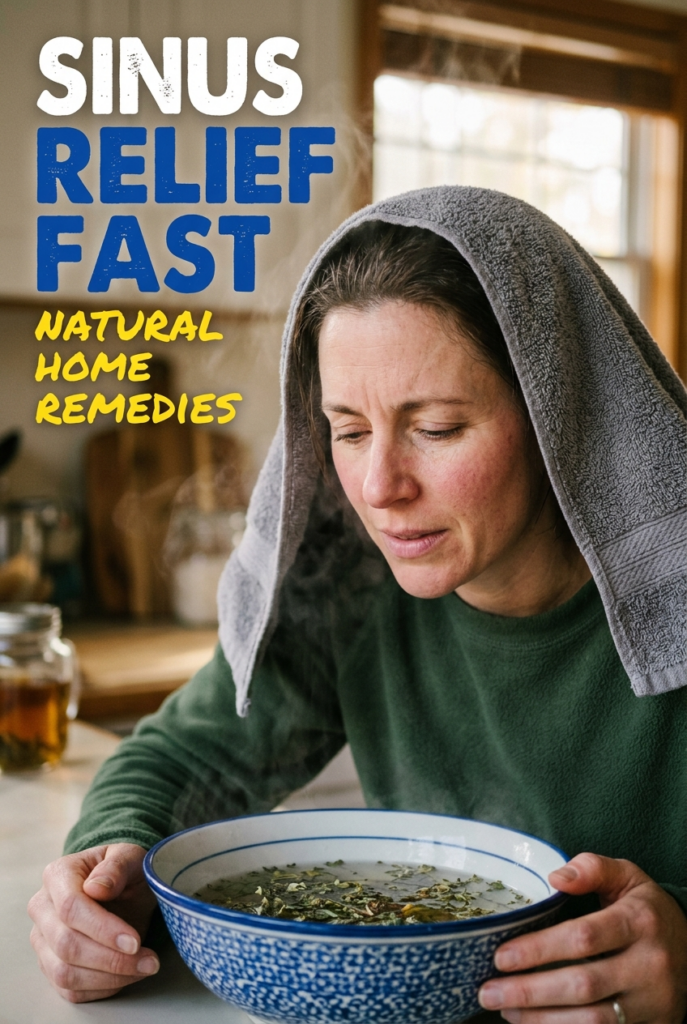
Steam inhalation hydrates and loosens thickened mucus that blocks sinus passages, while eucalyptus oil adds a potent decongestant compound — 1,8-cineole (eucalyptol) — that directly reduces nasal airway resistance and mucus viscosity. Fill a bowl with hot but not scalding water. Add three to four drops of eucalyptus essential oil. Lean over the bowl with a towel draped over the head to trap steam, and breathe deeply through the nose for five to ten minutes. Keep eyes closed to prevent irritation from the essential oil vapour. Sinus pressure begins to reduce within the first few minutes for most people. Repeat two to three times daily during acute congestion.
Remedy 3: Raw Honey and Ginger Tea
This combination addresses sinus symptoms through two complementary mechanisms. Raw honey — particularly local raw honey — contains small amounts of local pollen that may gradually desensitise the immune system to seasonal allergens through a mechanism similar to allergy immunotherapy, though evidence is preliminary. Its antimicrobial properties are well-established and relevant when sinus symptoms have an infectious component. Ginger’s gingerols and shogaols are potent natural anti-inflammatories that reduce the mucosal swelling responsible for sinus pressure. Brew fresh ginger tea by steeping five to six slices of fresh ginger for 10 minutes, add a teaspoon of raw honey, and drink two to three cups daily during allergy or sinus season.
Remedy 4: Apple Cider Vinegar Drink
Apple cider vinegar has a long traditional use as a natural decongestant — a reputation that has some biochemical basis. Its acetic acid may help break down and thin mucus, its potassium content supports the reduction of excess mucus production, and its antimicrobial properties help with the bacterial component of sinus infections. Mix one to two tablespoons of raw apple cider vinegar in a large glass of warm water with a teaspoon of raw honey. Drink two to three times daily at the onset of sinus symptoms. Many people find this provides noticeable symptom reduction within a few hours. It is not a replacement for medical treatment in severe sinusitis but is a useful adjunct for mild to moderate symptom management.
Remedy 5: Quercetin-Rich Foods for Allergy Relief
Quercetin is a natural flavonoid found in numerous foods that functions as a natural antihistamine — it inhibits the release of histamine from mast cells, the primary compound responsible for allergy symptoms including sneezing, itching, and congestion. Unlike pharmaceutical antihistamines, quercetin works preventively rather than reactively — it is most effective when consumed consistently before and during allergy season rather than only when symptoms appear. The richest food sources of quercetin are: capers (the highest food source by weight), red onions, apples with skin, kale, blueberries, and green tea. Eating these foods daily throughout allergy season provides cumulative natural antihistamine support that reduces symptom severity meaningfully over time.
Remedy 6: Elevate Your Head and Stay Hydrated
Two of the simplest sinus relief strategies require nothing from the kitchen. Elevating the head of the bed by 10 to 15 centimetres — or using an extra pillow — uses gravity to promote sinus drainage overnight, preventing the pooling of mucus that causes the worst morning sinus symptoms. Staying well-hydrated throughout the day keeps mucus thin and fluid rather than thick and sticky, making it easier for the sinuses to drain naturally and reducing the pressure that accumulates in blocked sinuses. Eight to ten glasses of water daily during acute sinus symptoms significantly reduces recovery time by maintaining mucosal hydration and drainage efficiency.
When to See a Doctor
- Symptoms lasting more than 10 to 12 days without improvement
- Severe facial pain or pressure, particularly one-sided
- High fever alongside sinus symptoms
- Vision changes or swelling around the eyes
- Symptoms that worsen significantly after initial improvement
- Frequent recurrence of sinus infections — more than three to four per year
| Pro Tip: Use a cool-mist humidifier in your bedroom overnight during allergy season or when sinuses are congested. Dry air causes nasal mucous membranes to dry and crack, impairing their ability to trap allergens and increasing the severity of congestion. A humidity level of 40 to 50% in the bedroom significantly reduces sinus symptom severity overnight and improves the quality of sleep that is so disrupted by congestion. |
Sinus congestion and allergy symptoms respond well to consistent natural management — particularly when multiple approaches are combined. Start with the saline rinse for immediate symptom relief, add steam inhalation twice daily during acute phases, drink ginger and honey tea throughout the day, and incorporate quercetin-rich foods into your regular diet during allergy season. Most people find that combining three to four of these approaches provides relief comparable to over-the-counter antihistamines for mild to moderate symptoms — without the side effects.