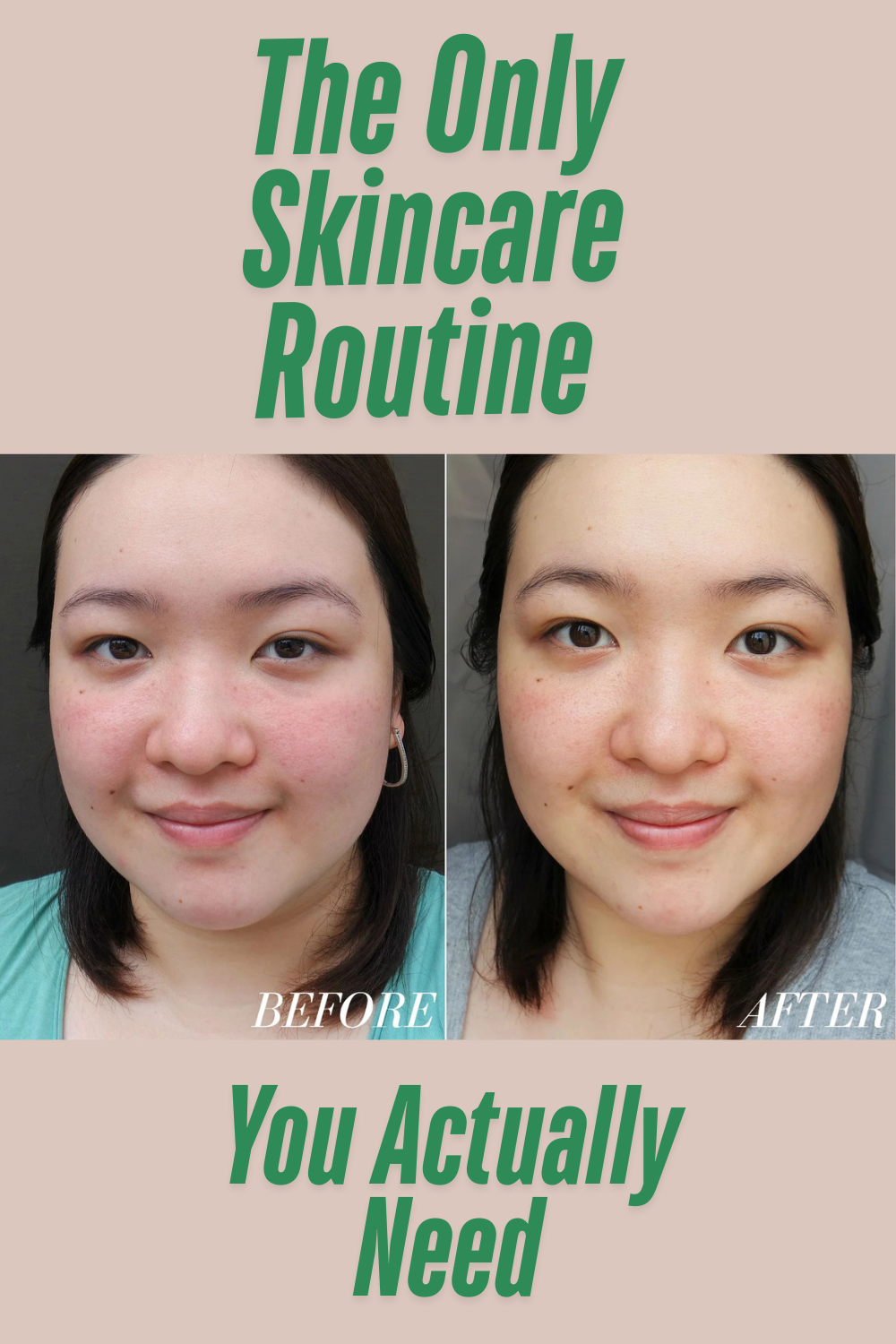
You’ve tried changing your diet. You’ve switched cleansers. You’ve added a serum, dropped the serum, added it back. And still your skin is breaking out, or peeling, or red, or tight, or all four at once — sometimes on different days of the same week.
If this sounds familiar, there’s a good chance the issue isn’t the individual products you’re using. It’s something more fundamental: your skin barrier.
The skin barrier is one of those concepts that sounds clinical and abstract until you understand what it actually does — at which point it becomes the lens through which almost every skin concern starts to make sense. Fix the barrier, and a lot of other problems fix themselves.
This article will explain what the skin barrier is, how to recognise when it’s damaged, and the exact protocol for repairing it.
The skin barrier is not a skincare trend. It is the foundation of healthy skin — and almost every chronic skin issue is easier to solve once it’s intact.
What the Skin Barrier Is
The skin barrier — technically called the stratum corneum — is the outermost layer of your skin. Think of it as a brick wall: the ‘bricks’ are flattened, dead skin cells (corneocytes), and the ‘mortar’ holding them together is a mix of lipids, including ceramides, cholesterol, and fatty acids.
This structure does several critical jobs simultaneously:
- It keeps moisture in — preventing transepidermal water loss (TEWL), which is the main mechanism behind dry, tight, or dehydrated skin
- It keeps irritants out — blocking pollutants, allergens, bacteria, and harsh ingredients from penetrating deeper into the skin
- It regulates the skin’s microbiome — maintaining the balance of bacteria that live on the skin’s surface and play a role in immunity and inflammation
- It maintains the skin’s natural pH — the slightly acidic environment (around 4.5–5.5) that keeps pathogens at bay and allows skin enzymes to function correctly
When this system is working well, skin looks calm, feels comfortable, and responds normally to the environment. When it’s compromised, all four functions break down at once — which is why a damaged barrier produces such a wide and seemingly unrelated range of symptoms.
What Damages the Skin Barrier
Barrier damage is extraordinarily common — and a surprising amount of it is caused by skincare itself. Here are the most frequent culprits:
Over-cleansing or using harsh cleansers.
Foaming cleansers with high concentrations of sulfates (SLS, SLES) strip the skin’s natural oils and raise its pH. Washing your face more than twice a day compounds this. The ‘squeaky clean’ feeling after cleansing is not a sign of clean skin — it’s a sign of a stripped barrier.
Over-exfoliating.
Chemical and physical exfoliants remove dead skin cells — which is beneficial in moderation. Too frequently, or at too high a concentration, they remove the lipid mortar between skin cells as well. The result is a barrier with gaps: moisture escapes, irritants get in. This is one of the most common causes of sudden sensitivity in people who previously had resilient skin.
Using too many active ingredients at once.
Retinol, AHAs, BHAs, vitamin C, and benzoyl peroxide are all effective — individually, at the right frequency, on a healthy barrier. Stacking them in the same routine, or introducing them too quickly, is a fast route to barrier compromise.
Environmental exposure.
Cold, dry air pulls moisture from the skin. Wind, UV radiation, and pollution all cause oxidative stress at the barrier level. Central heating and air conditioning dramatically lower ambient humidity, accelerating transepidermal water loss. Your barrier is under environmental pressure every day — which means it needs consistent support.
Fragrance and irritating ingredients.
Fragrance (synthetic or natural) is one of the most common causes of contact dermatitis and sub-clinical irritation. Even if your skin doesn’t visibly react, repeated low-level irritation quietly degrades barrier function over time.
If your skin has become noticeably more sensitive over the past few months, the likely explanation is barrier damage — often from over-exfoliation or a too-aggressive routine. The solution is almost always to simplify, not add more.
Signs Your Barrier Is Compromised Right Now
Barrier damage exists on a spectrum from mild to severe. Here are the signs to look for, roughly in order of severity:
Mild compromise:
- Skin feels tight after cleansing, even with a gentle cleanser
- Slight flakiness or rough texture that wasn’t there before
- Products that previously felt fine now sting or tingle on application
- Skin feels dull and looks flat even when hydrated
Moderate compromise:
- Persistent redness or uneven skin tone, especially in the cheeks
- Breakouts that don’t follow a clear pattern — appearing in unusual places or without apparent cause
- Skin feels dry even immediately after applying moisturiser
- Increased reactivity to temperatures, wind, or fabrics against the skin
Severe compromise:
- Visible peeling, cracking, or raw patches
- A burning or stinging sensation from water alone
- Eczema or dermatitis flares in areas not previously affected
- Skin that looks permanently inflamed regardless of what you apply
If you’re experiencing the more severe symptoms, it’s worth seeing a dermatologist — a compromised barrier can allow bacteria and allergens to penetrate more deeply, and prescription support may be appropriate alongside the repair protocol below.
The Repair Protocol: What to Stop First
The most important part of barrier repair is what you remove from your routine, not what you add. Continue using products that aren’t doing their job during barrier damage and you’re trying to fill a bath with the drain open.
Stop immediately:
- All chemical and physical exfoliants — AHAs, BHAs, enzyme exfoliants, scrubs, and exfoliating toners
- Retinol and retinoids in any form
- Vitamin C serums (ascorbic acid formulations are low pH and can irritate a compromised barrier)
- Fragranced products — including essential oils, which are potent sensitisers
- Alcohol-based toners and astringents
- Any product that causes stinging, burning, or visible redness on application — regardless of what it is
Reduce significantly:
- Cleansing frequency — once a day (evening only) is often enough during active repair; in the morning, rinsing with water alone is sufficient
- The number of products in your routine — aim for three or fewer until the barrier is restored
- Water temperature during cleansing — hot water accelerates TEWL; use lukewarm
A stripped-down routine of cleanser, barrier cream, and SPF is more effective for barrier repair than any specialised treatment product. Less is genuinely more here.
Barrier-Loving Ingredients to Add
Once you’ve cleared the irritants, these are the ingredients that actively support barrier restoration:
Ceramides.
Ceramides are the lipids that make up the mortar of the skin barrier — they literally replace what’s been lost. Look for ceramide NP, ceramide AP, ceramide EOP, or simply ‘ceramides’ in a moisturiser. CeraVe is the most widely cited example of an affordable ceramide-rich formula, but many brands now include them.
Niacinamide (vitamin B3).
Niacinamide stimulates ceramide production in the skin, reduces transepidermal water loss, calms redness and inflammation, and strengthens the barrier over time. It’s also stable, non-irritating at concentrations up to 10%, and compatible with almost every other ingredient — making it one of the most useful actives during barrier repair.
Hyaluronic acid and sodium hyaluronate.
Hyaluronic acid is a humectant — it draws moisture from the environment (and from deeper skin layers) to the surface. It doesn’t repair the barrier itself, but it addresses the dehydration that barrier damage causes. For best results, apply to damp skin and seal immediately with a moisturiser.
Peptides.
Peptides are short chains of amino acids that signal the skin to produce collagen, elastin, and — crucially during barrier repair — lipids. They’re gentle, non-irritating, and effective for long-term barrier strengthening rather than acute repair.
Squalane.
A lightweight, stable oil (derived from olives or sugarcane) that closely mimics the skin’s natural sebum. It’s non-comedogenic, deeply nourishing, and exceptionally well-tolerated even by sensitive and acne-prone skin. Excellent as the final step of an evening routine during barrier repair.
Panthenol (vitamin B5).
A humectant and skin-soother that helps retain moisture and accelerates wound healing in the skin. Often found alongside ceramides in barrier-repair formulations — look for it in the top half of an ingredient list for meaningful concentration.
What to Expect: A Realistic Timeline
Barrier repair takes time — and knowing roughly what to expect prevents the frustration of abandoning a protocol that’s actually working.
Days 1–3: Skin may feel more sensitive before it feels better. This is normal — you’ve removed the products that were masking symptoms with surface smoothing, and the skin is adjusting. Stick with the simplified routine.
Days 4–7: Redness and reactivity should start to calm. Tightness begins to ease. Skin may still look dull or uneven but should feel more comfortable.
Weeks 2–3: Texture begins to improve. Skin starts to feel more resilient — products no longer sting, and the barrier is beginning to self-regulate again. This is when most people feel the urge to reintroduce actives. Resist it for at least one more week.
Week 4 and beyond: A healthy barrier should be restored for most people with mild to moderate damage. For severe cases, or for those with underlying conditions like eczema or rosacea, full restoration may take 6–8 weeks.
When you do begin reintroducing actives, do it one at a time, at the lowest available concentration, no more than twice a week. Your barrier is rebuilt — now treat it accordingly.
The goal of skincare isn’t a permanent repair protocol. It’s building a routine gentle enough that your barrier never needs rescuing again.