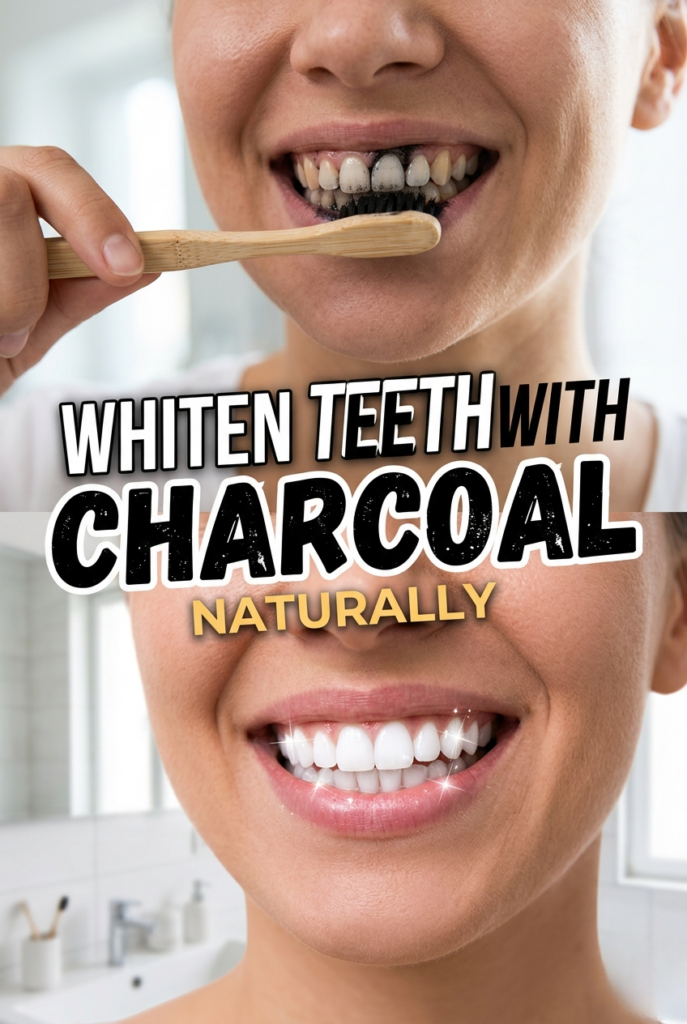
Activated charcoal teeth whitening has become one of the most viral beauty trends of the last decade — black powder brushed onto teeth, looking dramatic on camera, and promising a Hollywood smile. Thousands of products line store shelves, millions of social media posts feature the striking visual, and the claims are extraordinary. But behind the trend lies a more nuanced story that every person considering this method deserves to know — including what it genuinely does, what it cannot do, and how to use it safely if you choose to try it.
Here is the complete, honest truth about activated charcoal teeth whitening — the science, the benefits, the risks, the correct method, and realistic expectations. No hype, no dismissal — just everything you need to make an informed decision.
| Science Says: Activated charcoal is produced by heating carbon-rich materials — coconut shells, wood, coal — to very high temperatures in the presence of gas, creating a highly porous material with an enormous surface area. One gram of activated charcoal has a surface area of approximately 500 to 1500 square meters — this extreme porosity is what gives it its remarkable ability to adsorb (bind to) compounds on contact. |
What Activated Charcoal Actually Does to Teeth
Activated charcoal whitens teeth through a physical adsorption mechanism — it binds to surface staining compounds (tannins from coffee, tea, and wine, and chromogenic particles from food) on the outer enamel surface and removes them when rinsed away. This makes it effective for extrinsic surface staining — the type caused by what you eat and drink — but completely ineffective for intrinsic staining caused by aging, medications, or trauma to the tooth that affects the inner dentin layer. If your teeth are naturally yellowish due to thin enamel or aging, activated charcoal will not change this, because the yellow is coming from inside the tooth, not the surface.
The Right Method — How to Use It Safely
Method 1: Charcoal Powder Brushing
Wet your toothbrush and dip into activated charcoal powder — use food-grade or dental-grade only. Apply to teeth using gentle, small circular motions for two minutes. Leave on teeth for one additional minute without further brushing. Rinse extremely thoroughly with water — multiple rinses until all black residue is completely gone. Follow with your regular fluoride toothpaste to remineralize the enamel.
Method 2: Charcoal Paste
Mix a small amount of activated charcoal powder with coconut oil to form a thick paste. Apply to teeth using a soft toothbrush or your finger. Leave for three to five minutes without scrubbing — this is a soaking treatment rather than an abrasive treatment. Rinse very thoroughly. This method minimizes abrasive action while maximizing the adsorption contact time with surface stains.
How Often to Use It
This is the most important safety consideration with activated charcoal. Use a maximum of once or twice per week — no more. Activated charcoal is significantly more abrasive than regular toothpaste, and overuse will progressively scratch and thin the enamel, making teeth more susceptible to staining, sensitivity, and decay. Daily use is never appropriate. Twice weekly for two to four weeks to address specific staining is the safe protocol, followed by a break of two to four weeks before using again.
Realistic Results — What to Expect
For people with significant coffee, tea, or red wine staining, activated charcoal can produce noticeable whitening within two to four uses — often one to two shades brighter for heavy stainers. For people with minimal surface staining or teeth that are yellow from natural aging, results will be minimal to none. The whitening achieved is surface stain removal only — not bleaching of the tooth structure. Results last until new surface staining accumulates from diet and beverages.
Important Safety Considerations
- Never use activated charcoal on dental work — crowns, veneers, bonding, and composite fillings are abraded by charcoal and will become scratched and damaged
- If you have thin enamel, sensitivity, or gum recession, avoid activated charcoal entirely — the abrasion will worsen all of these conditions
- Always use a dedicated soft toothbrush for charcoal — charcoal stains bristles and the stained brush should not be used with regular toothpaste
- The black color temporarily stains gums and tongue — this rinses away completely but is alarming if unexpected
- Do not swallow activated charcoal — it adsorbs medications and supplements alongside stains and can reduce their effectiveness
| Pro Tip: For a gentler whitening effect with less enamel risk, try the charcoal paste method (mixing with coconut oil) rather than dry brushing. The oil reduces the mechanical abrasion significantly while maintaining the adsorption contact time that removes surface stains. This is the safer long-term approach for regular use. |
Activated charcoal teeth whitening is a legitimate surface stain removal method when used correctly, at the right frequency, and with realistic expectations. It is not magic, it does not bleach teeth, and it cannot be used daily without damaging enamel. But for occasional use on surface staining from coffee, tea, and wine — it genuinely works. Use it wisely and your smile will thank you.