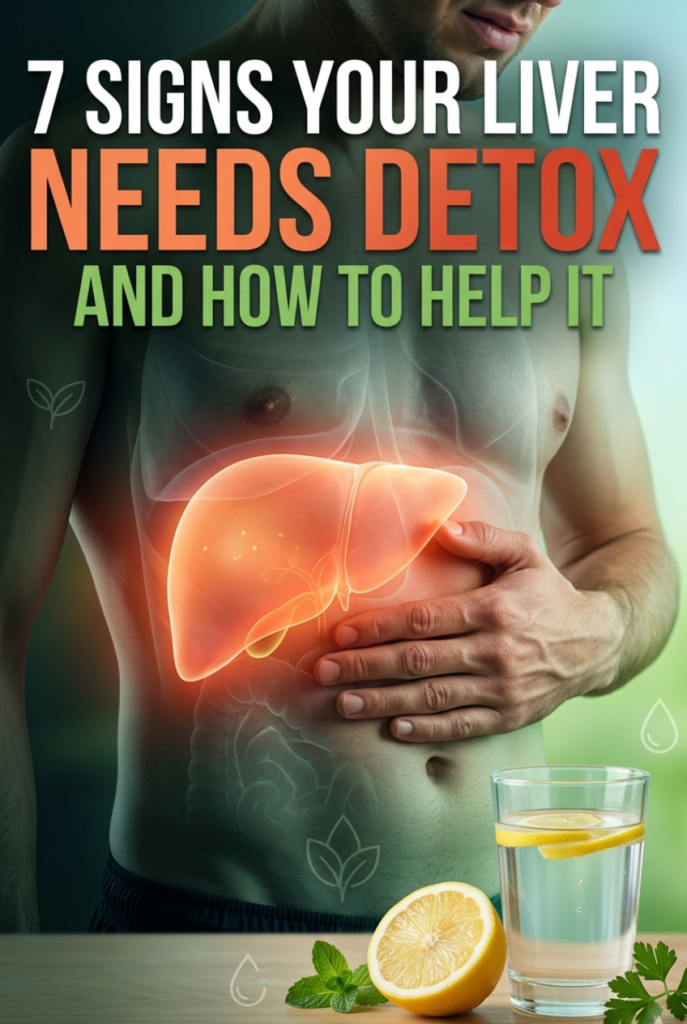
Your liver performs over 500 vital functions every single day. It filters every drop of blood in your body, detoxifies hundreds of chemical compounds, produces bile for digestion, regulates blood sugar, manufactures proteins, stores vitamins and minerals, and processes every medication, alcohol, and food additive that enters your system. It does all of this without rest — and largely without complaint.
But the liver has limits. Modern diets, alcohol, medications, environmental toxins, and chronic stress push it to its breaking point more often than most people realize. When the liver becomes congested and overwhelmed, it sends signals — and most people either do not recognize them or dismiss them as unrelated problems. Here are the seven most important signs that your liver needs support right now.
| Did You Know? The liver is the only organ in the human body capable of complete regeneration. Even if 75% of the liver is damaged or removed, it can regrow to its full size and functional capacity — but only if the cause of damage is removed and the right nutritional support is provided. |
The 7 Warning Signs
1. Persistent Fatigue That Sleep Does Not Fix
The liver filters toxins from the blood continuously. When it is struggling, toxins accumulate in the bloodstream and reach the brain, causing a foggy, exhausted feeling that no amount of sleep resolves. If you wake up tired despite eight hours of rest, liver congestion is one of the first causes to consider. This liver-related fatigue is typically accompanied by difficulty concentrating and a general feeling of heaviness throughout the day.
2. Skin Problems — Acne, Itching, and Yellowing
The liver processes excess hormones, metabolic waste, and chemical compounds. When it cannot keep up, these substances exit through the skin — causing persistent adult acne, unexplained itching, skin rashes, and in advanced cases, a yellowish tint to the skin and whites of the eyes called jaundice. If your skin problems are not responding to topical treatments, the source may be internal rather than superficial.
3. Digestive Problems — Bloating, Gas, and Nausea
The liver produces bile, which is essential for digesting fats. A sluggish liver produces insufficient bile, causing bloating, excessive gas, nausea, and difficulty digesting fatty foods. Many people notice that fatty meals cause particular discomfort and that bloating is worst in the hours after eating. Persistent nausea without another identified cause is a significant liver warning sign.
4. Unexplained Weight Gain — Especially Around the Belly
A congested liver struggles to metabolize fats efficiently and loses its ability to regulate blood sugar properly. This combination creates a perfect environment for weight gain — particularly visceral fat around the abdomen. When diet and exercise alone fail to shift stubborn belly fat, impaired liver function is often an overlooked contributing factor. The liver’s role in insulin regulation makes it central to body composition.
5. Bad Breath and Coated Tongue
Persistent bad breath that does not improve with brushing, flossing, or mouthwash — particularly a sweet, musty, or chemical smell — can indicate liver dysfunction. The liver breaks down ammonia produced from protein metabolism. When it fails to do this efficiently, ammonia and other volatile compounds are exhaled through the lungs. A heavily coated white or yellow tongue is another sign that the liver and digestive system are overloaded.
6. Dark Urine and Pale Stools
Healthy urine is pale straw yellow and stools are medium brown. Dark tea-colored urine without dehydration as a cause indicates that bilirubin — a yellow pigment processed by the liver — is being excreted through the kidneys instead. Pale, clay-colored stools indicate insufficient bile production. Both are significant warning signs of impaired liver function that warrant prompt medical evaluation.
7. Pain or Tenderness Under the Right Rib Cage
The liver is located in the upper right abdomen, directly beneath the rib cage. A dull ache, feeling of fullness, or tenderness in this area — particularly after meals or alcohol consumption — indicates liver inflammation or congestion. This discomfort is often described as a pressure rather than a sharp pain and may radiate to the right shoulder blade. Never ignore persistent pain in this location.
5 Natural Ways to Support Liver Health
If you recognize several of these signs, these natural approaches support liver health and detoxification alongside medical care:
- Drink warm lemon water every morning on an empty stomach — lemon stimulates bile production and liver enzyme activity
- Eat cruciferous vegetables daily — broccoli, cauliflower, and Brussels sprouts contain compounds that activate liver detoxification enzymes
- Take milk thistle supplement — silymarin, its active compound, is the most extensively researched natural liver protectant with proven regenerative properties
- Reduce alcohol consumption — even moderate drinking strains liver function significantly
- Drink dandelion root tea — traditional liver tonic with documented bile-stimulating and anti-inflammatory properties
| Important: Jaundice (yellowing of skin or eyes), severe right-side abdominal pain, very dark urine, or swelling of the abdomen require immediate medical attention. These are signs of serious liver disease that goes beyond natural remedy territory. |
Your liver is extraordinarily resilient — but it is not invincible. Supporting it proactively with the right foods, reducing its toxic burden, and recognizing its warning signals early makes the difference between a sluggish, overwhelmed organ and one that performs at its remarkable best for decades to come.