Your liver is your body’s most hardworking detoxification organ. Every minute of every day, it filters your entire blood supply, neutralizes toxins, processes medications and alcohol, metabolizes hormones, produces bile for digestion, stores vitamins and glycogen, and manufactures the proteins your blood needs to clot. It performs over 500 distinct functions — and it does all of them silently, without complaint, until it cannot anymore.
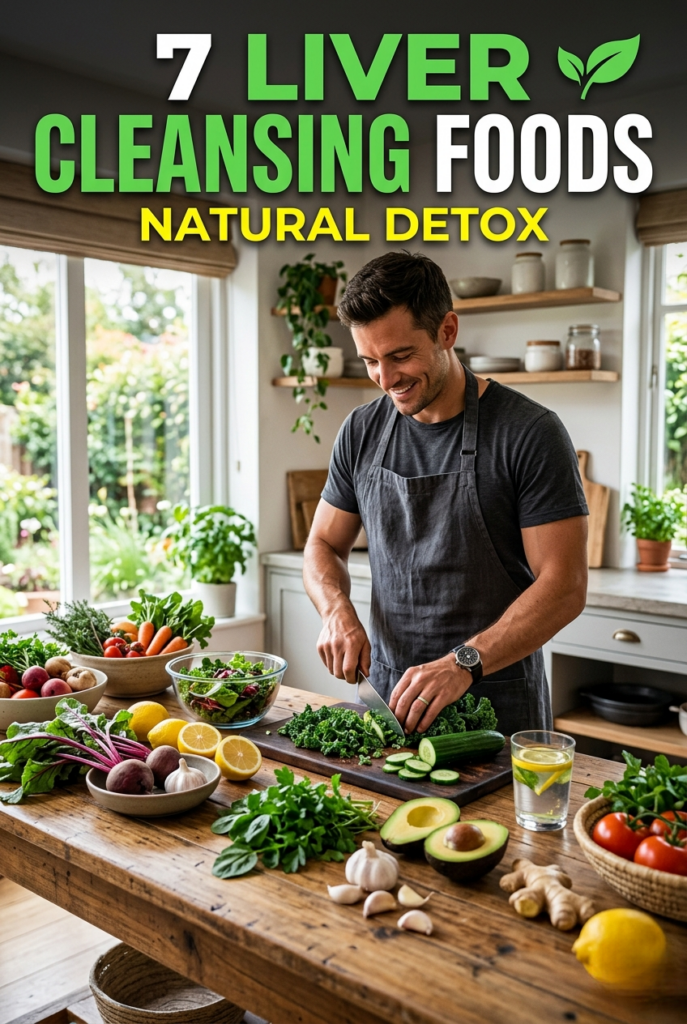
Modern life overwhelms the liver like never before in human history. Processed foods full of artificial additives, environmental pollutants, alcohol, medications, hormonal disruption from plastics, and chronic stress all add to the liver’s burden continuously. Supporting liver function through targeted nutrition is one of the most impactful health interventions available — and the right foods do not just reduce the liver’s workload, they actively support its ability to regenerate and heal. Here are the seven most powerful liver-cleansing foods available.
| Did You Know? The liver is the only organ in the human body capable of complete regeneration. Even if 75% of liver tissue is damaged or removed, it can regrow to its full size and function — but only if the damage stops and the right nutritional support is provided. Food is the most powerful tool available for this regenerative process. |
Food 1: Garlic — The Liver’s Detox Activator
Garlic contains allicin and selenium — two compounds that activate the liver enzymes responsible for flushing out toxins and carcinogens from the body. Allicin stimulates liver enzyme production, while selenium protects liver cells from oxidative damage caused by the very toxins the liver is processing. Studies have shown that regular garlic consumption reduces liver fat accumulation — a key factor in non-alcoholic fatty liver disease. Add two to three raw or lightly cooked cloves of garlic to daily meals for consistent liver support.
Food 2: Beets — The Blood-Purifying Root
Beets contain betaine — a compound that helps the liver process fats and prevents fat accumulation in liver cells. They are also rich in betalains (the pigments responsible for their vivid color) which have powerful anti-inflammatory and antioxidant properties that protect liver tissue from damage. The nitrates in beets improve liver blood flow, ensuring toxins are efficiently delivered to the liver for processing and that nutrients reach liver cells effectively. Drink fresh beet juice or eat roasted beets three to four times per week for measurable liver health improvement.
Food 3: Leafy Greens — The Chlorophyll Cleansers
Dark leafy greens — particularly spinach, kale, arugula, and dandelion greens — contain chlorophyll, which literally absorbs and neutralizes environmental toxins, heavy metals, and pesticide residues in the digestive system before they reach the liver. They also stimulate bile production and flow, which is essential for removing waste products from the liver. Dandelion greens specifically have been shown to increase liver enzyme activity and improve the excretion of liver-processed waste. Include a large portion of dark greens in at least one daily meal.
Food 4: Turmeric — The Liver Cell Regenerator
Turmeric’s active compound curcumin is one of the most potent liver-protective substances identified in nutritional science. It stimulates the production of bile — which is essential for detoxification — reduces liver inflammation, protects liver cells from oxidative damage, and has been shown in multiple studies to assist in the regeneration of damaged liver tissue. Research has found that curcumin reduces liver fibrosis markers in people with non-alcoholic fatty liver disease. Add turmeric to cooking daily, always with black pepper which increases its bioavailability by 2000%.
Food 5: Avocado — The Glutathione Producer
Avocados are one of the richest food sources of glutathione precursors — the compounds the liver uses to produce its own master antioxidant and detoxification molecule. Glutathione is so central to liver function that it is sometimes called the liver’s own detox compound — without adequate glutathione, the liver cannot efficiently neutralize many of the toxins it processes daily. A Japanese study found that avocado consumption significantly improved liver enzyme levels in people with liver disease. Eat half an avocado daily for consistent liver glutathione support.
Food 6: Green Tea — The Fat-Reducing Liver Protector
Green tea catechins — particularly EGCG — have been shown in multiple clinical studies to reduce liver fat accumulation, decrease liver inflammation, and protect against liver cell damage from toxins and alcohol. A study of over 80,000 Japanese participants found that those who drank five or more cups of green tea daily had significantly lower rates of liver disease. EGCG also reduces the oxidative stress that damages liver cells during the detoxification process itself — protecting the liver while it does its most important work.
Food 7: Walnuts — The Liver’s Amino Acid Support
Walnuts are uniquely beneficial for the liver because they contain high levels of l-arginine — an amino acid that the liver uses in the urea cycle to process and detoxify ammonia, one of the most toxic metabolic waste products the liver must handle. They are also rich in omega-3 fatty acids that reduce liver inflammation and glutathione that supports the liver’s detoxification pathways. Research specifically links walnut consumption with reduced liver fat and lower liver enzyme levels. Eat a small handful of raw walnuts daily as a snack or salad topping.
Simple Daily Liver-Cleansing Protocol
- Morning: Warm lemon water on empty stomach to stimulate bile flow and liver enzyme activity
- With meals: Add garlic, turmeric, and black pepper to cooking daily
- At lunch: Large leafy green salad with avocado and walnuts
- Afternoon: One to two cups of green tea
- Three times per week: Fresh beet juice or roasted beets with meals
| Important: While these foods actively support liver health, they are not substitutes for medical treatment of liver disease. If you have been diagnosed with any liver condition, jaundice, or experience persistent right-side abdominal pain, consult a hepatologist. Never attempt to self-treat liver disease. |
Your liver works harder for you than any other organ in your body — silently and without rest. These seven foods are not exotic or expensive — they are everyday ingredients that deserve a permanent place in your diet. Feed your liver what it needs to do its extraordinary work, and it will reward you with energy, clear skin, healthy weight, and vibrant health for decades to come.
Disclaimer: This article is for informational purposes only and does not constitute medical advice. These foods support general liver health. Consult a healthcare professional for any specific liver conditions.