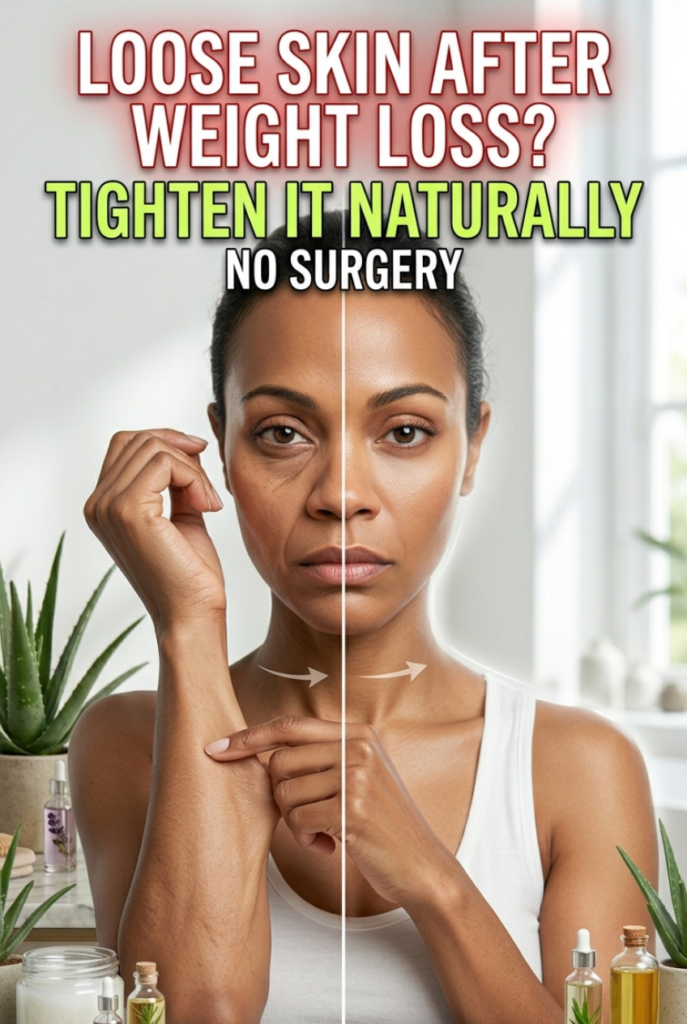
Losing a significant amount of weight is one of the greatest health achievements a person can accomplish — but it often comes with an unexpected challenge that nobody warns you about: loose, saggy skin. Whether you have lost 20 pounds or 100, the skin that once stretched to accommodate extra fat does not always snap back as quickly as the fat disappears. It can be frustrating, discouraging, and make people feel like their hard work is not reflected in the mirror.
The good news is that skin is remarkably adaptable — far more than most people realize. With the right combination of nutrition, targeted topical treatments, exercise, and patience, significant skin tightening is absolutely achievable naturally. Here is exactly what works, backed by science and the experience of countless people who have successfully reclaimed firm, toned skin after major weight loss.
| Did You Know? Skin contains two structural proteins — collagen and elastin — that determine its firmness and ability to bounce back. Collagen gives skin its structure while elastin allows it to stretch and return to shape. After significant weight loss, stimulating the production of both proteins is the key to natural skin tightening. |
Why Skin Becomes Loose After Weight Loss
When you gain weight, your skin gradually stretches to accommodate the increased body mass. Collagen and elastin fibers within the skin slowly expand over months and years. When weight is lost — particularly rapidly — the fat beneath the skin disappears faster than the skin can contract, leaving excess skin behind. The speed of weight loss, age, genetics, the amount of weight lost, sun damage history, and smoking all influence how much loose skin develops and how readily it tightens.
8 Natural Methods to Tighten Loose Skin
1. Build Muscle to Fill the Space
Strength training is the single most effective non-surgical solution for loose skin after weight loss. Building lean muscle mass beneath the skin fills the space left by departed fat, creating a firmer, more toned appearance. Focus on compound movements — squats, deadlifts, push-ups, rows — that recruit multiple muscle groups simultaneously. Aim for three to four strength sessions per week. Most people notice significant improvement in skin appearance within eight to twelve weeks of consistent training.
2. Eat Collagen-Boosting Foods Daily
Collagen production requires specific nutrients — particularly vitamin C, which is essential for collagen synthesis, and the amino acids glycine, proline, and hydroxyproline found in bone broth, egg whites, and lean meats. Eat citrus fruits, bell peppers, strawberries, and broccoli daily for vitamin C. Drink bone broth or take a collagen peptide supplement. Zinc — found in pumpkin seeds, beef, and chickpeas — is also critical for collagen formation and skin repair.
3. Stay Deeply Hydrated
Dehydrated skin loses elasticity rapidly and appears significantly looser and more wrinkled than properly hydrated skin. Drink at least eight glasses of water daily — more if you exercise. Hydration plumps skin cells from within, improving turgor and firmness noticeably. Add electrolytes like a pinch of Himalayan salt or a slice of lemon to enhance cellular water absorption. The difference proper hydration makes to skin appearance is visible within days.
4. Dry Brushing for Circulation
Daily dry brushing before showering dramatically improves circulation to the skin, stimulates lymphatic drainage, and encourages collagen production. Use a natural-bristle body brush and stroke in long movements toward the heart for five minutes before every shower. This technique breaks down fibrotic tissue, improves skin texture, and over weeks produces measurable improvement in skin firmness. Combine with the coffee scrub technique for enhanced results.
5. Firming Oils — Massage Daily
Certain plant oils have demonstrated firming and elasticity-improving properties when massaged into skin consistently. The most effective include rosehip oil — rich in vitamin A and essential fatty acids that stimulate collagen — coconut oil, which deeply penetrates and moisturizes the dermis, and almond oil, which contains vitamin E that protects existing collagen from free radical damage. Massage a generous amount into loose skin areas for five to ten minutes every evening. The massage action itself stimulates collagen production through mechanical stimulation of skin cells.
6. Aloe Vera Gel — Daily Firming Treatment
Aloe vera contains malic acid and a compound called acemannan that measurably improves skin elasticity and stimulates collagen-producing fibroblasts. Apply fresh aloe vera gel to loose skin areas daily, leave for 20 minutes, then rinse. With consistent daily use over six to eight weeks, most people notice meaningful improvement in skin texture and firmness — particularly in thinner-skinned areas like the inner arms and abdomen.
7. Protect Skin From UV Damage
UV radiation breaks down collagen and elastin far faster than the body can replace them — dramatically worsening loose skin and accelerating visible aging. Apply broad-spectrum SPF 30 or higher to all exposed skin every morning without exception. This single habit, maintained consistently, prevents the ongoing collagen destruction that makes natural skin tightening so much harder to achieve.
8. Be Patient — Skin Tightens Slowly
Skin took months or years to stretch — it takes time to contract. Most dermatologists suggest giving skin 12 to 24 months of consistent effort before concluding that further natural improvement is not achievable. During this time, combine strength training, collagen nutrition, daily moisturizing, and sun protection. Progress is real but gradual. Monthly photographs in consistent lighting will show you clearly that your skin is responding, even when day-to-day changes feel invisible.
| Pro Tip: Collagen peptide supplements — taken as a daily powder mixed into water or smoothies — have shown in multiple clinical studies to improve skin elasticity and reduce wrinkle depth within 8 to 12 weeks. Look for hydrolyzed collagen peptides with 10 to 15 grams per serving for therapeutic effect. |
Loose skin after weight loss is not permanent and it is not a failure. It is simply skin that needs time, nourishment, and the right support to catch up with your remarkable transformation. Give it what it needs — and it will respond.
Disclaimer: This article is for informational purposes only. Consult a dermatologist for personalized advice about loose skin, particularly if considering medical treatments.