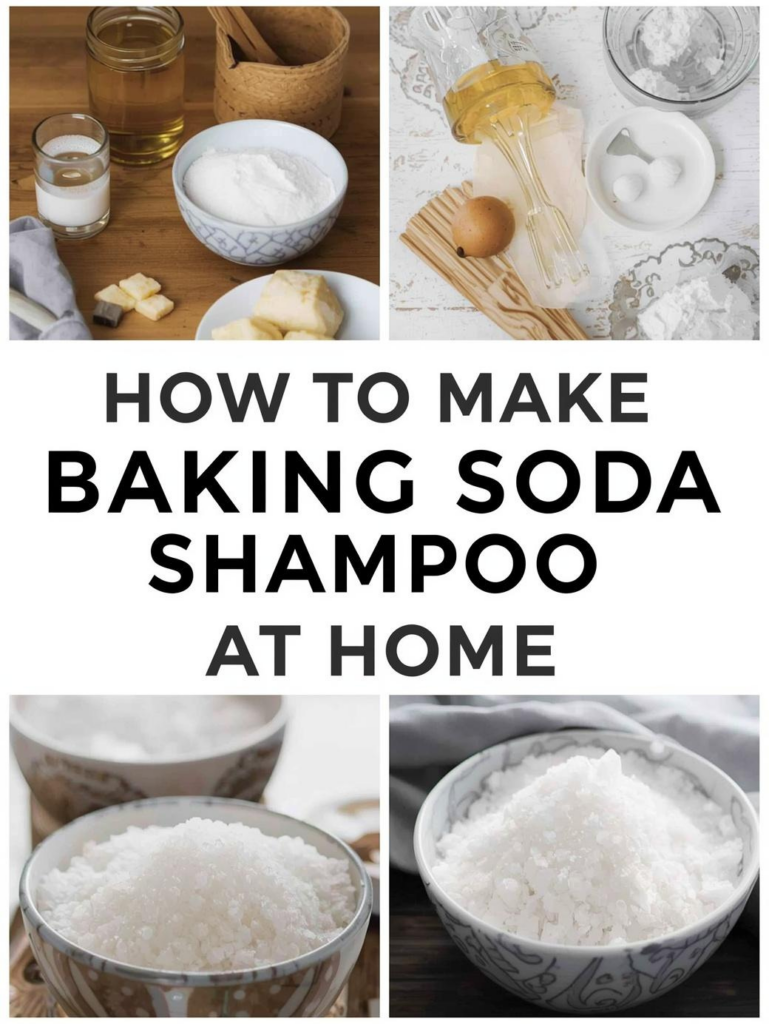
How to Make Baking Soda Shampoo at Home: 7 Recipes for Every Hair Type
Natural Hair Care | DIY Shampoo | Scalp Health | Zero Waste Beauty
Most commercial shampoos contain a cocktail of sulfates, silicones, parabens, synthetic fragrances, and preservatives that strip natural oils, disrupt the scalp microbiome, and leave hair dependent on conditioners to undo the damage the shampoo itself caused. It is a cycle that costs money, harms the environment, and for many people, produces hair that never quite looks or feels as healthy as it should.
Baking soda shampoo breaks that cycle entirely. It cleanses deeply and gently, removes product buildup without stripping essential oils, and costs a fraction of a penny per wash. Hundreds of thousands of people who have switched to baking soda washing report softer, shinier, less greasy hair within weeks — once they learn how to use it correctly. Here is everything you need to know.
| Did You Know? The average commercial shampoo contains between 10 and 30 ingredients. Most people use it daily despite hair scientists recommending washing just two to three times per week. Baking soda shampoo typically contains three to five ingredients, lathers without sulfates, and dramatically reduces the over-washing cycle that causes scalp oil overproduction in the first place. |
Why Baking Soda Works as Shampoo
Baking soda — sodium bicarbonate — is a mild alkali with a pH of approximately 8.3. Understanding how it works on hair requires understanding hair’s natural chemistry:
Cleansing through alkalinity: Dirt, sebum, and product buildup are predominantly acidic or neutral compounds. Baking soda’s alkalinity dissolves and lifts these deposits from the hair shaft and scalp without the need for harsh sulfate detergents.
Cuticle opening: The alkaline pH temporarily opens the hair cuticle, allowing deeper cleansing of the hair shaft. This is particularly effective at removing silicone buildup from commercial conditioners that ordinary shampoo cannot penetrate.
Scalp oil regulation: Unlike sulfate shampoos that strip all oil and trigger reactive overproduction, baking soda removes excess oil while leaving enough sebum to naturally condition the hair — gradually training the scalp to produce less oil overall over several weeks.
Antifungal properties: Baking soda’s alkaline environment inhibits Malassezia — the fungus responsible for dandruff and flaky scalp conditions — making it a genuinely therapeutic scalp treatment alongside its cleansing action.
| Science Says: Research published in the International Journal of Trichology confirms that scalp pH profoundly affects hair health. The scalp’s natural pH is between 4.5 and 5.5 — slightly acidic. Disrupting this pH with harsh alkaline shampoos damages the scalp barrier. The key to using baking soda successfully is always following with an acidic rinse — typically apple cider vinegar — to restore the scalp’s pH balance immediately after washing. |
The Essential ACV Rinse — Do Not Skip This Step
This is the most important piece of information in this entire guide. Baking soda’s alkaline pH opens the hair cuticle during washing. If you do not follow with an acidic rinse to close it, hair will feel rough, look dull, and become prone to frizz and breakage. The apple cider vinegar rinse is not optional — it is the second half of the treatment.
Basic ACV Rinse Recipe: Mix one tablespoon of raw apple cider vinegar into one cup of cool water. Pour through hair after washing, massage gently into the scalp, and rinse out after 30 seconds. The acidic pH seals the cuticle, removes any baking soda residue, adds brilliant shine, and restores the scalp’s protective acid mantle.
| Pro Tip: The ACV smell disappears completely once hair is dry — you will not smell like salad dressing. For a more pleasant washing experience, add five drops of lavender or rosemary essential oil to your ACV rinse. Rosemary oil has additionally been shown in clinical research to stimulate hair growth as effectively as 2% minoxidil. |
7 Baking Soda Shampoo Recipes for Every Hair Type
| Recipe 1: The Classic Basic Baking Soda Shampoo Best For: Normal to oily hair, first-time users Ingredients: • 1 tablespoon baking soda • 1 cup warm water • 5 drops rosemary or peppermint essential oil (optional) How to Make & Use: 1. Dissolve baking soda completely in warm water until no lumps remain. 2. Add essential oil if using and stir well. 3. Wet hair thoroughly. Pour the mixture over scalp and hair slowly. 4. Massage scalp gently with fingertips for two to three minutes — do not scrub vigorously. 5. Leave on for one to two minutes. 6. Rinse thoroughly with warm water. 7. Follow immediately with the ACV rinse. Note: Start with one tablespoon per cup. Fine or sensitive hair may need less — half a tablespoon to start. |
| Recipe 2: Baking Soda and Coconut Milk Shampoo Best For: Dry, damaged, colour-treated, or brittle hair Ingredients: • 1 tablespoon baking soda • Half cup coconut milk (full-fat, canned) • Half cup warm water • 1 teaspoon coconut oil • 5 drops lavender essential oil How to Make & Use: 1. Whisk baking soda into coconut milk until dissolved. 2. Add warm water, coconut oil, and lavender oil. Mix thoroughly. 3. Apply to wet hair, massaging scalp for two minutes. 4. Leave for two minutes before rinsing. 5. Follow with ACV rinse. 6. Store any remaining mixture in the refrigerator for up to three days. Note: The coconut milk and oil provide moisture and protein that compensate for baking soda’s drying potential — essential for dry or damaged hair types. |
| Recipe 3: Baking Soda and Raw Honey Strengthening Shampoo Best For: Weak, thinning, brittle, or dull hair Ingredients: • 1 tablespoon baking soda • 1 tablespoon raw honey • Half cup warm water • 5 drops cedarwood essential oil How to Make & Use: 1. Dissolve honey in warm water first, then add baking soda and stir until fully combined. 2. Add cedarwood oil and mix well. 3. Apply to scalp and hair, massaging for two minutes. 4. Leave for three minutes. 5. Rinse thoroughly and follow with ACV rinse. Note: Raw honey’s hydrogen peroxide gently lightens hair over time with repeated use — worth noting for very dark hair. |
| Recipe 4: Baking Soda and Tea Tree Anti-Dandruff Shampoo Best For: Flaky, itchy scalp or dandruff-prone hair Ingredients: • 1 tablespoon baking soda • 1 cup warm water • 8 drops tea tree essential oil • 3 drops peppermint essential oil • 1 teaspoon aloe vera gel How to Make & Use: 1. Dissolve baking soda in warm water. 2. Add tea tree oil, peppermint oil, and aloe vera gel. Stir thoroughly. 3. Apply to scalp and massage vigorously for three to four minutes — focus on flaky areas. 4. Leave for three to five minutes to allow tea tree’s antifungal compounds to work. 5. Rinse thoroughly and follow with ACV rinse. Note: Tea tree and peppermint essential oils are potent — keep away from eyes. Never use undiluted. |
| Recipe 5: Baking Soda and Aloe Vera Sensitive Scalp Shampoo Best For: Sensitive, irritated, reactive or psoriasis-prone scalp Ingredients: • Half tablespoon baking soda (reduced amount for sensitivity) • 2 tablespoons pure aloe vera gel • Half cup warm water • 5 drops chamomile essential oil • 1 teaspoon jojoba oil How to Make & Use: 1. Mix baking soda with aloe vera gel until smooth. 2. Add warm water, chamomile oil, and jojoba oil. 3. Apply very gently to scalp using fingertips — no vigorous scrubbing. 4. Leave for one minute only. 5. Rinse thoroughly and follow with a gentler diluted ACV rinse (one teaspoon ACV per cup water). Note: Use only once per week for sensitive scalps. Monitor for any increased irritation and reduce baking soda amount further if needed. |
| Recipe 6: Baking Soda and Lemon Juice Clarifying Shampoo Best For: Very oily, heavy product buildup, or hard water damage Ingredients: • 1 tablespoon baking soda • 1 cup warm water • 1 tablespoon fresh lemon juice • 5 drops rosemary essential oil How to Make & Use: 1. Dissolve baking soda in warm water. 2. Add lemon juice and rosemary oil. Mix well — it will fizz slightly. 3. Apply to wet hair and scalp immediately after mixing. 4. Massage for two minutes, focusing on the roots and scalp. 5. Leave for two minutes. 6. Rinse thoroughly and follow with ACV rinse. Note: This is the most clarifying recipe — use no more than once per week and always follow with ACV rinse and a light leave-in conditioner. |
| Recipe 7: Baking Soda Hair Growth Stimulating Shampoo Best For: Thinning hair or anyone wanting to stimulate growth Ingredients: • 1 tablespoon baking soda • 1 cup warm water • 10 drops rosemary essential oil • 5 drops peppermint essential oil • 1 teaspoon castor oil How to Make & Use: 1. Dissolve baking soda in warm water. 2. Add rosemary oil, peppermint oil, and castor oil. Shake or stir well before each use. 3. Apply to scalp and massage firmly for three to five minutes — the scalp massage itself is a key part of the growth stimulation. 4. Leave for three minutes. 5. Rinse and follow with ACV rinse. Note: Rosemary oil has been clinically proven to stimulate hair growth as effectively as 2% minoxidil in a 2023 study. Combined with scalp massage and castor oil, this is a genuinely therapeutic hair growth treatment. |
All 7 Recipes at a Glance
| Recipe | Hair Type | Key Benefit | Use How Often |
| Basic baking soda | Normal / oily | Deep cleanse & clarify | 1-2x per week |
| Baking soda + coconut milk | Dry / damaged | Cleanse + moisturise | Once per week |
| Baking soda + ACV rinse | All types | Balance pH + shine | 1-2x per week |
| Baking soda + honey | Dull / lifeless | Cleanse + strengthen | Once per week |
| Baking soda + essential oil | Itchy / flaky | Antifungal + soothe | 1-2x per week |
| Baking soda + aloe vera | Sensitive scalp | Gentle cleanse + calm | Once per week |
| Baking soda + lemon juice | Greasy / buildup | Clarify + brighten | Once per week |
The Transition Period: What to Expect
This is the section most people skip — and then give up because they experienced the transition and thought it was failing. Almost everyone who switches from commercial shampoo to baking soda goes through a transition period of one to three weeks during which their hair may feel greasier, heavier, or different from usual. This is completely normal and expected.
Why it happens: Commercial shampoos train the scalp to overproduce oil to compensate for aggressive stripping. When you stop stripping, the scalp continues producing its usual excessive amount of oil until it recalibrates — which takes one to three weeks depending on how long you have been using sulfate shampoos.
How to get through it: Wash slightly more frequently during the transition — every three to four days rather than weekly. Use dry shampoo at roots between washes if needed. Stick with it. The payoff — hair that stays clean longer, looks naturally healthier, and costs almost nothing to maintain — is worth every day of the adjustment period.
| Important Warning: Baking soda shampoo is not suitable for daily use. Using it more than two to three times per week long-term can raise scalp pH too consistently, potentially causing dryness, breakage, and colour fading in dyed hair. Use it as part of a balanced washing routine — perhaps alternating with a gentle commercial or castile soap shampoo — for the best long-term results. |
Tips for Best Results
- Always use lukewarm water — hot water opens the cuticle too aggressively and strips more oil
- Never skip the ACV rinse — it is as important as the shampoo itself
- Mix each batch fresh or store maximum three to four days in the fridge — baking soda mixtures degrade over time
- Use a squeeze bottle or small jug for application — much easier than trying to pour from a bowl
- Massage the scalp — not the hair — for the full application time. Hair gets clean from scalp oils moving down; scrubbing the lengths causes tangling and breakage
- Start with once per week and assess how your scalp responds before increasing frequency
- If hair feels too dry after washing, add a few drops more of carrier oil to your recipe
- Colour-treated hair: always do a strand test first — baking soda can gradually fade artificial colour with repeated use
Final Thoughts
Baking soda shampoo is not a trend — it is a return to simpler, more effective hair care that respects both your hair’s natural biology and your wallet. Once your scalp completes its adjustment period, most people never look back. Cleaner, lighter, shinier hair that stays fresh for days longer between washes — with an ingredient that costs virtually nothing and contains nothing harmful.
Choose the recipe that best matches your hair type, commit to the ACV rinse every single time, push through the transition period with patience, and give yourself four weeks before judging the results. Your healthiest hair is waiting on the other side.
Disclaimer: Results vary by hair type and scalp condition. Baking soda is alkaline and may not be suitable for all hair types, particularly very dry, chemically processed, or extremely sensitive scalps. Always patch test and monitor your scalp’s response. Consult a trichologist or dermatologist if you experience persistent scalp irritation.