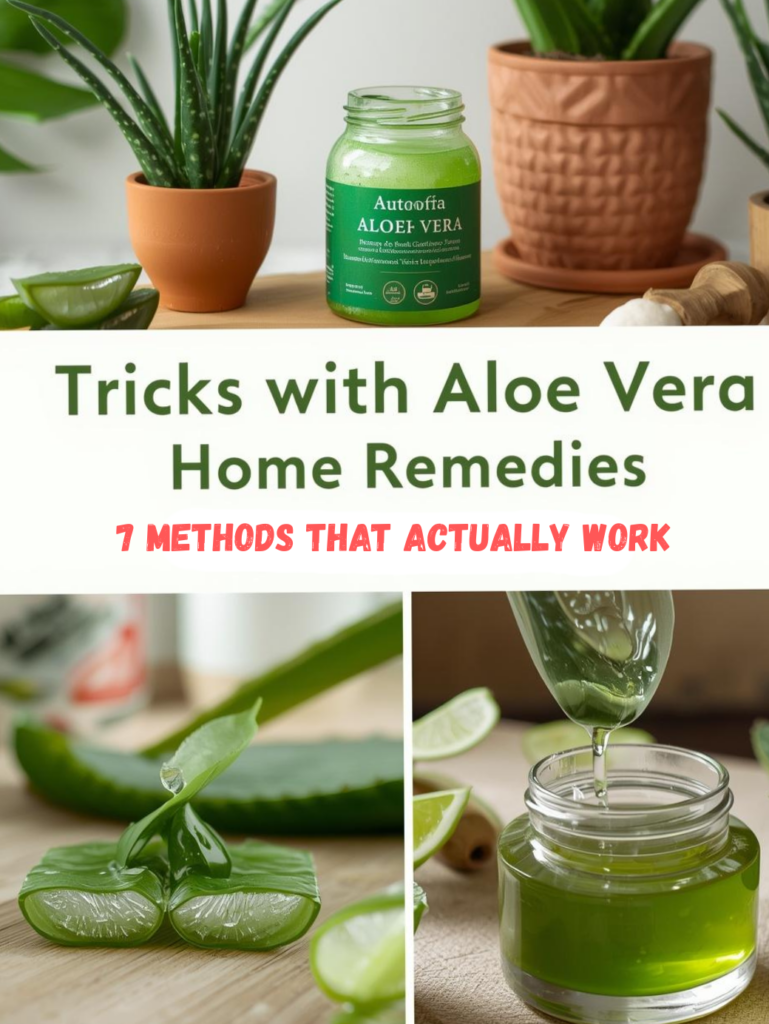
Dark spots are one of the most persistent and frustrating skin concerns people deal with worldwide. Whether they come from sun damage, post-acne marks, hormonal changes, or simply the natural aging process, those patches of uneven pigmentation can make skin look dull, aged, and uneven — no matter how flawless the rest of your complexion is.
The skincare industry offers countless serums, creams, and treatments that promise to fade dark spots — many of them expensive, chemical-laden, and irritating to sensitive skin. But growing in gardens and sold in every health store for just a few dollars is one of the most scientifically validated natural brighteners available: aloe vera. Here is exactly how to use it to fade dark spots and restore an even, glowing complexion — naturally.
| Did You Know? Aloe vera has been used medicinally for over 6,000 years — ancient Egyptians called it the plant of immortality. Modern science has identified over 75 active compounds in aloe vera gel including vitamins, minerals, enzymes, amino acids, and polysaccharides that together produce its remarkable skin-healing and brightening effects. |
Why Dark Spots Form and What Aloe Does About Them
Dark spots — also called hyperpigmentation — form when melanocytes, the skin cells that produce pigment, become overactive and produce too much melanin in a concentrated area. This overproduction is triggered by:
- UV exposure from the sun — the most common cause, producing flat brown sun spots and age spots
- Post-inflammatory hyperpigmentation (PIH) — the dark marks left behind after acne, wounds, or skin irritation heal
- Hormonal changes — particularly melasma, the mask-like pigmentation triggered by pregnancy hormones or birth control
- Ageing — as skin cell turnover slows, melanin deposits accumulate and become more visible
- Skin trauma — burns, cuts, and insect bites that leave lasting discoloration as they heal
| Science Says: A 2012 study published in the Journal of Dermatological Science identified aloesin — a compound unique to aloe vera — as a competitive inhibitor of tyrosinase, the enzyme responsible for melanin production. By directly blocking this enzyme, aloesin reduces hyperpigmentation at the biochemical source rather than simply bleaching the surface of the skin. |
How Aloe Vera Fades Dark Spots: The Science
Aloe vera works on dark spots through several simultaneous mechanisms that make it one of the most comprehensive natural brightening treatments available:
Aloesin: Directly inhibits tyrosinase — the melanin-producing enzyme — reducing new pigment formation in overactive melanocytes.
Aloin: A compound with direct depigmenting properties that has been shown to break down existing melanin deposits in the skin.
Vitamin C: Naturally present in aloe vera, vitamin C is one of the most researched brightening agents in dermatology — it inhibits melanin synthesis and provides antioxidant protection against UV-induced pigmentation.
Acemannan: A polysaccharide that stimulates fibroblast activity and accelerates skin cell turnover, bringing fresh unpigmented cells to the surface faster and pushing damaged, pigmented cells out.
Anti-inflammatory compounds: Chronic inflammation triggers melanin overproduction. Aloe’s powerful anti-inflammatory compounds — including campesterol, beta-sitosterol, and lupeol — calm this inflammatory trigger, preventing new spot formation.
7 Ways to Use Aloe Vera for Dark Spots
- 🌵 Pure Aloe Vera Gel — The Daily Foundation
The simplest and most important method is consistent daily application of pure aloe vera gel directly to dark spots. This works best as a morning and evening treatment applied after cleansing and before moisturizer, giving the active compounds uninterrupted contact time with the pigmented areas. Fresh aloe gel scraped directly from the plant is the most potent form available — the gel inside a freshly cut leaf contains the highest concentration of active compounds before any oxidation or processing occurs.
How to Use It
- Cleanse your face and pat dry.
- Apply a small amount of pure aloe vera gel directly onto each dark spot using a clean fingertip or cotton swab.
- Gently massage in circular motions for one minute to encourage absorption.
- Allow to absorb for 15 to 20 minutes before applying moisturizer.
- Use both morning and evening for consistent results.
Frequency: Twice daily — morning and night.
Results: Subtle brightening visible within two weeks. Meaningful fading within four to six weeks of consistent twice-daily use.
| Pro Tip: Fresh aloe gel from the plant is always more potent than store-bought. Cut a thick outer leaf close to the base, slice it open, and scoop out the clear gel. Store unused gel in a sealed container in the refrigerator for up to one week. The cold gel also provides a soothing anti-inflammatory bonus when applied chilled. |
- 🍋 Aloe Vera and Lemon Juice — The Brightening Accelerator
This combination supercharges aloe vera’s brightening power by adding vitamin C from fresh lemon juice — one of the most potent natural melanin inhibitors available. Lemon’s citric acid also provides gentle exfoliation that accelerates the removal of pigmented surface cells, allowing the aloe’s deeper-acting compounds to work on the fresh skin layer beneath. Together they attack dark spots from both the surface and the cellular level simultaneously.
How to make it: Mix two tablespoons of fresh aloe vera gel with five drops of freshly squeezed lemon juice. Mix well. Apply to dark spots using a cotton swab and leave for 15 to 20 minutes. Rinse thoroughly with cool water and moisturize.
Frequency: Once daily — use in the evening as lemon juice increases photosensitivity. Always apply sunscreen the next morning.
Results: Faster brightening than pure aloe alone — noticeable improvement within three to five weeks.
| Important Warning: Never apply lemon juice to skin and then go into direct sunlight. The citric acid dramatically increases UV sensitivity and can cause severe phototoxic burns and paradoxically worsen dark spots. Always use this treatment in the evening and wear broad-spectrum SPF 30+ the following morning without exception. |
- 🟡 Aloe Vera and Turmeric Mask — The Post-Acne Mark Eraser
Post-acne marks respond particularly well to this combination. Turmeric’s curcumin is a powerful inhibitor of melanin production and one of the most potent anti-inflammatory compounds in nature — addressing both the active pigmentation and the underlying inflammation that continues to stimulate melanocyte activity long after the original blemish has healed. Combined with aloe vera’s acemannan-driven cell renewal, this mask accelerates the fading of PIH (post-inflammatory hyperpigmentation) significantly.
How to make it: Mix two tablespoons of aloe vera gel with a quarter teaspoon of turmeric powder until smooth. Apply to dark spots and the surrounding area, leave for 15 minutes, then rinse thoroughly — multiple times, as turmeric stains temporarily. Follow with moisturizer.
Frequency: Twice per week.
Results: Visibly reduced post-acne marks within four to six weeks. Excellent results on fresh, recent marks — less effective on very old pigmentation.
- 💧 Aloe Vera and Vitamin E — The Deep Nourishing Night Treatment
Vitamin E is a powerhouse antioxidant that both prevents UV-induced melanin overproduction and supports the skin repair processes that replace pigmented cells with fresh, even-toned ones. Combined with aloe vera’s brightening compounds in an overnight treatment, it delivers concentrated brightening nutrition to dark spots during the skin’s peak repair hours. This method is particularly effective for dry or mature skin where dark spots are accompanied by thinning or dehydration.
How to make it: Pierce two vitamin E capsules and squeeze the oil into two tablespoons of fresh aloe vera gel. Mix thoroughly until fully combined. Apply generously to dark spots before bed and leave overnight without rinsing. The combination is rich enough to serve as the final step in your nighttime skincare routine.
Frequency: Every night.
Results: Deep hydration visible immediately. Progressive brightening over five to eight weeks of nightly use.
- 🍯 Aloe Vera and Raw Honey Brightening Mask
Raw honey contains hydrogen peroxide — in small, skin-safe concentrations — along with gluconic acid and enzymes that gently exfoliate pigmented surface cells while the aloe vera’s compounds work beneath to reduce melanin production. This mask is particularly effective for dull, uneven skin tone across larger areas rather than isolated spots, making it ideal for treating widespread sun damage or general complexion brightening alongside targeted spot treatment.
How to make it: Combine two tablespoons of fresh aloe vera gel with one tablespoon of raw honey. Apply to the face as a full mask, paying extra attention to dark spot areas. Leave for 20 minutes. Rinse with warm water and follow with your regular moisturizer.
Frequency: Three times per week.
Results: Brighter, more radiant overall complexion within two to three weeks. Targeted dark spot improvement within four to six weeks.
- 🪫 Aloe Vera and Castor Oil — The Stubborn Spot Solution
For deeply set, persistent dark spots that have not responded to lighter treatments, castor oil’s ricinoleic acid adds a more powerful tissue-penetrating action to aloe vera’s brightening compounds. Ricinoleic acid has demonstrated anti-inflammatory and melanin-inhibiting properties in research, and castor oil’s thick texture keeps the aloe vera compounds in close contact with the skin for extended periods, dramatically increasing absorption and treatment time.
How to make it: Mix one tablespoon of aloe vera gel with half a teaspoon of cold-pressed castor oil. Apply to stubborn dark spots at night, cover with a small bandage or patch if possible to maximize contact, and leave overnight. Rinse in the morning.
Frequency: Every night.
Results: Most effective for older, deeper spots. Improvement typically visible within six to ten weeks of consistent nightly use.
- 🌙 Aloe Vera Overnight Full-Face Treatment
This is the simplest and most sustainable long-term method for maintaining even skin tone and preventing new dark spots from forming. Applying a thin layer of pure aloe vera gel across the entire face as the final step in your nighttime routine delivers continuous brightening, anti-inflammatory, and cell renewal benefits to every area of skin while you sleep — both fading existing spots and creating the skin conditions that prevent new ones from forming.
How to use it: After completing your regular evening skincare routine — cleanse, tone, serum, moisturizer — apply a very thin final layer of pure aloe vera gel across your entire face. It absorbs quickly and leaves no residue. This is the perfect low-effort, high-consistency method for long-term results.
Frequency: Every night.
Results: Progressive brightening and evening of overall skin tone over four to eight weeks. Excellent as a long-term maintenance treatment once targeted spots have faded.
All 7 Methods at a Glance
| Method | Best For | Frequency | Results In |
| Pure aloe vera gel | All dark spot types | 2x daily | 4-6 weeks |
| Aloe + lemon juice | Sun spots & age spots | Once daily | 3-5 weeks |
| Aloe + turmeric | Post-acne marks | 2x per week | 4-6 weeks |
| Aloe + vitamin E | Dry or mature skin | Nightly | 5-8 weeks |
| Aloe + honey mask | Dull, uneven tone | 3x per week | 3-5 weeks |
| Aloe + castor oil | Stubborn deep spots | Nightly | 6-10 weeks |
| Aloe overnight treatment | All types (maintenance) | Every night | 4-8 weeks |
Choosing the Right Aloe Vera
Fresh from the plant (best): Growing your own aloe vera plant provides the freshest, most potent gel available. Cut outer leaves close to the base, wash thoroughly, slice open, and scoop out the clear inner gel. Avoid the yellow latex layer just beneath the outer skin — this can irritate skin.
Store-bought gel: Look for products with aloe vera gel as the first or second listed ingredient and minimal additional ingredients. Avoid products containing parabens, synthetic fragrances, or artificial colors. Choose certified organic where possible.
What to avoid: Any product labelled simply as aloe vera that lists water as the primary ingredient — these are predominantly water with minimal actual aloe vera. The gel should be thick, slightly viscous, and ideally colorless or very pale yellow-green.
Habits That Accelerate Results
- Wear broad-spectrum SPF 30 or higher every single morning without exception — UV exposure will undo every brightening treatment faster than any remedy can work
- Double-cleanse in the evening to fully remove sunscreen and the environmental pollutants that trigger oxidative stress and melanin overproduction
- Stay hydrated — dehydrated skin has significantly impaired cell turnover, slowing the replacement of pigmented cells
- Eat vitamin C rich foods daily — bell peppers, kiwi, strawberries — to support your skin’s natural brightening from within
- Never pick or squeeze spots — mechanical trauma to the skin triggers post-inflammatory hyperpigmentation that can last months longer than the original blemish
- Change your pillowcase every two to three days — bacteria and product residue on pillowcases cause the inflammation that triggers new spots
Realistic Timeline: What to Expect
Week 1-2: Skin feels more hydrated and soothed. Redness around any active marks begins to calm.
Week 3-4: Fresh, recent post-acne marks begin to visibly lighten. Overall skin tone appears more even.
Week 5-6: Established dark spots show meaningful fading. Skin texture improves noticeably.
Week 7-10: Significant lightening of most spot types. Older, deeper spots continue to improve with ongoing treatment.
Ongoing: Monthly progress becomes visible in comparison photos. Consistent use prevents new spots from establishing.
| Pro Tip: Take a close-up photograph of your main dark spots in consistent natural lighting every two weeks. Progress with dark spot treatment is gradual — easily missed day to day but clearly visible in before-and-after comparisons. This also keeps you motivated through the weeks when progress feels slow. |
The Bottom Line
Aloe vera is not a quick fix — but it is a genuinely powerful, safe, and scientifically validated treatment for dark spots that works at the biochemical level rather than simply bleaching the skin’s surface. Its combination of tyrosinase inhibition, anti-inflammatory action, accelerated cell renewal, and deep moisturization makes it one of the most complete natural brightening treatments available.
Start with the simplest method — pure aloe vera applied twice daily to your dark spots — and add combinations as you build your routine. Be consistent, protect your progress with daily SPF, and give the treatment the weeks it needs to show its full results. Your most even, radiant skin is already growing beneath the surface. Aloe vera simply helps it get there faster.
Disclaimer: This article is for informational purposes only and does not constitute medical or dermatological advice. Results vary by skin type, spot depth, and consistency of use. If dark spots are rapidly changing, very large, or accompanied by other symptoms, please consult a qualified dermatologist before beginning any home treatment.